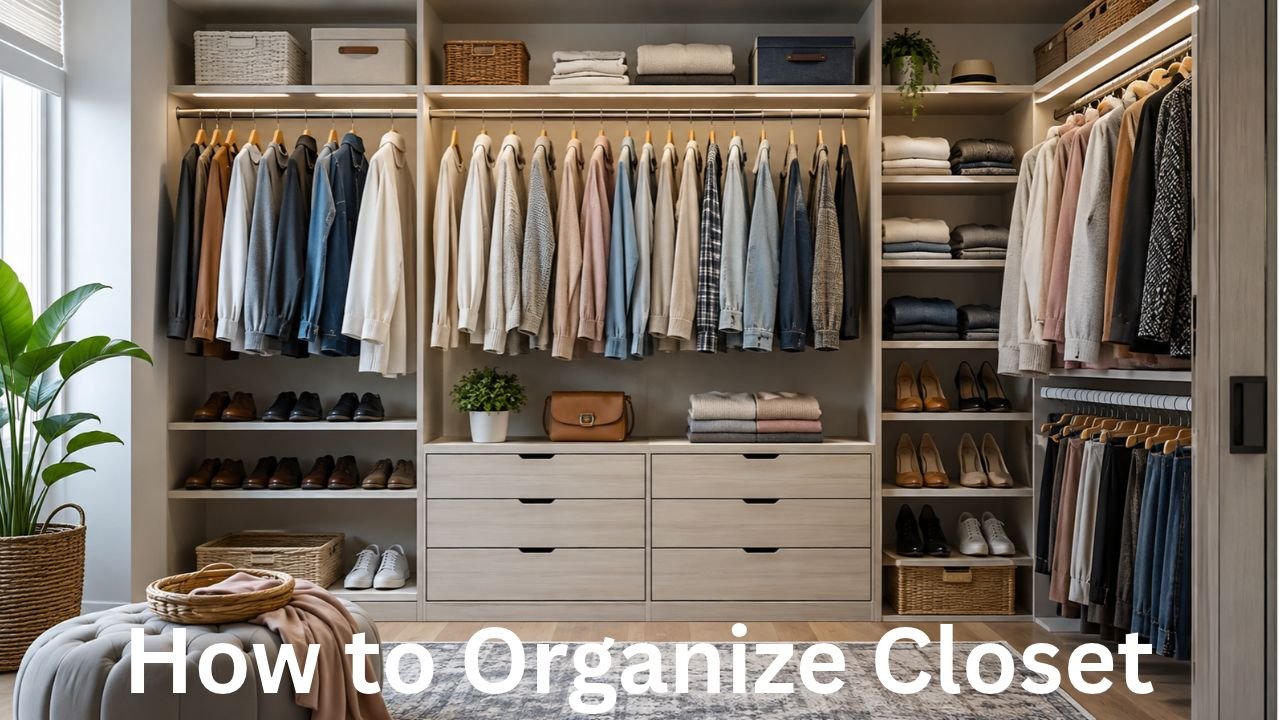
A messy closet can make even a simple morning routine feel frustrating. When clothes are piled together, shoes are scattered, and accessories are difficult to find, getting dressed becomes harder than it needs to be. The good news is that learning how to organize closet spaces does not require an expensive makeover or a huge wardrobe.
With a practical system, you can turn an overcrowded closet into a clean and functional space where everything has a place. The key is to organize according to how you actually use your belongings rather than simply trying to make everything look neat.
Whether you have a small bedroom closet, a walk-in wardrobe, or a shared storage space, the following ideas can help you create an arrangement that stays organized for the long term.
Why Organizing Your Closet Matters
A well-organized closet does more than improve the appearance of your bedroom. It can save time, reduce clutter, and help you make better use of the clothes you already own.
When everything is easy to see, you are less likely to forget about certain clothes or buy items you do not need. An organized closet can also make cleaning easier because clothing, shoes, and accessories have designated places.
Some of the biggest benefits include:
- Finding clothes more quickly
- Making better use of available storage
- Reducing unnecessary clutter
- Protecting clothing from wrinkles and damage
- Making seasonal changes easier
- Creating a calmer and more attractive bedroom
- Helping you identify clothes you no longer wear
The goal is not to create a perfect closet. It is to build a system that is convenient enough for you to maintain.
How to Organize Closet Step by Step
The best approach is to work through your closet in stages. Trying to reorganize everything at once without a plan can quickly become overwhelming.
1. Empty the Closet
Start by removing everything from the closet. Take out clothing, shoes, bags, accessories, storage boxes, and anything else that has found its way inside.
Place everything somewhere you can easily see it. This gives you a clear idea of how much you actually own.
Cleaning the empty closet at this stage is also a good idea. Wipe shelves, vacuum the floor, and remove dust from corners before putting anything back.
2. Sort Everything Into Categories
Once your closet is empty, divide your belongings into simple categories.
For example:
- T-shirts and casual tops
- Shirts and blouses
- Pants and jeans
- Dresses and formal clothing
- Jackets and coats
- Workout clothes
- Sleepwear
- Underwear and socks
- Shoes
- Bags
- Accessories
You can create additional categories if they make sense for your wardrobe. Avoid creating too many small groups, because an overly complicated system can be difficult to maintain.
3. Decide What to Keep
This is one of the most important steps.
Look at each item and ask yourself a few practical questions:
- Do I wear this regularly?
- Does it still fit?
- Is it comfortable?
- Is it in good condition?
- Have I worn it within the past year?
- Would I buy this item again today?
If an item no longer fits your lifestyle, is damaged beyond reasonable repair, or has not been worn for a long time, consider donating, recycling, or selling it.
You do not have to throw away everything you rarely wear. Sentimental clothing, special-event outfits, and seasonal pieces may deserve their own space.
Closet Organization Categories
After decluttering, create a storage system based on frequency of use. Items you use regularly should be easiest to reach, while occasional items can go higher or farther back.
| Closet Category | Recommended Storage | Organization Tip |
|---|---|---|
| Everyday shirts | Hangers or shelf | Keep frequently worn pieces at eye level |
| Jeans and pants | Folded or hanging | Group similar styles together |
| Dresses | Hangers | Use sturdy hangers for heavier pieces |
| Sweaters | Shelves or drawers | Fold instead of hanging delicate knits |
| Shoes | Shoe rack or boxes | Keep everyday pairs within easy reach |
| Bags | Shelf or hooks | Store upright when possible |
| Accessories | Small organizers | Separate jewelry, belts, and scarves |
| Seasonal clothing | Upper shelves or containers | Rotate when the weather changes |
This approach makes your closet easier to navigate without requiring complicated storage products.
4. Group Similar Clothing Together
One of the easiest ways to make a closet feel organized is to keep similar items together.
Instead of placing a shirt wherever there happens to be space, create dedicated sections. Keep shirts together, pants together, jackets together, and so on.
You can take this a step further by organizing within each category by color, length, or occasion.
For example, your shirt section might progress from light colors to darker colors. Your pants could be arranged from casual jeans to dressier trousers.
Choose the system that feels most natural to you. An organization method is only useful if you can maintain it.
5. Use Vertical Space
Many closets have unused space above clothing rails and shelves. Instead of allowing this area to collect dust, use it for items you do not need every day.
Upper shelves can hold:
- Seasonal clothing
- Extra bedding
- Travel bags
- Special-occasion clothing
- Storage boxes
- Rarely used accessories
If the closet is particularly tall, stackable storage containers can help take advantage of the vertical space.
However, avoid placing very heavy objects on high shelves if they are difficult or unsafe to retrieve.

6. Choose the Right Hangers
Hangers can make a surprising difference.
Using too many different types can make the closet look cluttered and can also waste valuable space. A consistent hanger style often creates a cleaner appearance.
Use sturdy hangers for heavier garments such as coats and jackets. Delicate clothing may benefit from hangers designed to prevent slipping.
Avoid hanging every item simply because there is room. Some clothing is better folded.
Sweaters, stretchy knitwear, and certain delicate fabrics can lose their shape when left on hangers for long periods.
7. Organize Drawers and Shelves
Drawers can quickly become messy because smaller items are easy to throw together.
Instead of creating one large pile, divide drawers into sections.
Small organizers can separate:
- Socks
- Underwear
- Belts
- Ties
- Scarves
- Small accessories
For shelves, use neatly folded stacks and avoid making them so high that the entire pile collapses when you remove one item.
You can also use shelf dividers to keep clothing stacks upright.
8. Create a Shoe Storage System
Shoes often consume more closet space than expected.
Rather than leaving them scattered across the floor, choose a dedicated storage method. A shoe rack, cubbies, boxes, or adjustable shelving can all work depending on the size of your closet.
Keep the shoes you wear most often in an accessible location. Less frequently used footwear can be stored higher or farther back.
If you store shoes in boxes, labeling them can make finding a particular pair much easier.
9. Make Use of Doors and Walls
Closet doors can provide valuable additional storage.
An over-the-door organizer can hold accessories, small bags, scarves, or other lightweight items. Hooks can also be useful for frequently used pieces.
If your closet design allows it, wall-mounted hooks can provide another place for hats, bags, or belts.
The important thing is not to overload these areas. Too many items hanging together can simply create another form of clutter.
10. Arrange Clothing by Frequency of Use
One of the most practical closet organization strategies is to put your most frequently used clothing in the easiest-to-reach locations.
For example:
Easy-to-reach areas:
- Everyday shirts
- Favorite pants
- Work clothes
- Frequently used shoes
- Daily accessories
Less accessible areas:
- Winter coats during summer
- Formal outfits
- Special-event clothing
- Holiday items
- Travel accessories
This reduces the amount of searching you have to do every morning.
Small Closet Organization Ideas
A small closet requires more careful use of every available inch.
If you are working with limited space, consider:
- Using slim hangers
- Adding shelf dividers
- Installing additional hanging rods where practical
- Using under-shelf baskets
- Storing seasonal clothes elsewhere
- Using the back of the door
- Keeping only frequently used items at eye level
- Using matching storage boxes for upper shelves
Do not fill every available space simply because you can. A little empty space makes it much easier to remove and return clothing without disturbing everything else.
How to Keep Your Closet Organized
Organizing your closet once is only half the job. The real challenge is keeping it that way.
Develop a few simple habits.
After wearing clothes, return them to their proper location rather than placing them on a chair or the floor. When you buy something new, consider whether something else should leave the closet.
A quick five-minute reset every few days can prevent small messes from becoming major clutter.
You can also review your closet every few months. Seasonal changes are particularly useful times to remove clothing you no longer need.
Common Closet Organization Mistakes
Even a well-intentioned organization project can fail if the system is too complicated.
Some common mistakes include:
- Keeping clothes you never wear
- Overstuffing shelves
- Using too many storage containers
- Ignoring vertical space
- Mixing clean and worn clothing
- Storing everything without categories
- Making everyday items difficult to reach
- Buying organizers before decluttering
The biggest mistake is trying to organize clutter instead of reducing it first.
Storage products can help, but they cannot solve the problem of owning more items than your closet can comfortably hold.

How Often Should You Reorganize Your Closet?
There is no single schedule that works for everyone. A quick reset may be necessary every few weeks, while a deeper decluttering session might only be needed two or four times a year.
A useful routine is to perform a larger review when seasons change.
During the review, check:
- Clothing that no longer fits
- Items that are damaged
- Pieces you have not worn
- Seasonal clothing
- Shoes that need repair
- Accessories you no longer use
This keeps the closet manageable without turning organization into a constant project.
FAQ
What is the easiest way to organize a closet?
Start by removing everything, sorting belongings into categories, and getting rid of items you no longer need. Then return similar items to designated areas, keeping frequently used clothing within easy reach.
Should I organize my closet by color or type?
Organizing by type is usually the best starting point because it makes finding specific items easier. You can then arrange each category by color if that system feels helpful.
How can I organize a small closet?
Use vertical space, slim hangers, shelf dividers, hooks, and under-shelf storage. Keep everyday clothing accessible and move seasonal or rarely used items to less convenient areas.
Should sweaters be folded or hung?
Most sweaters are better folded, particularly heavier or stretchy knitwear. Hanging them for long periods can cause stretching around the shoulders.
How do I stop my closet from getting messy again?
Give every item a specific home and return things immediately after use. Regular five-minute resets and occasional decluttering can prevent clutter from building up.
How often should I declutter my closet?
A seasonal review is a practical approach for most people. However, if your closet becomes crowded quickly, smaller monthly decluttering sessions may work better.
Final Thoughts
Learning how to organize closet space does not have to involve an expensive renovation or a complicated storage system. The most effective solution is usually a simple one: remove unnecessary items, group similar belongings, use your available space wisely, and make everyday clothing easy to access.
Start small if the entire closet feels overwhelming. Organize one section at a time and create a system that matches your daily routine.
The best-organized closet is not necessarily the one that looks perfect in a photograph. It is the one where you can quickly find what you need, easily put things away, and maintain the system without constant effort.
Also Read: Weeping Mulberry Tree: A Complete Guide to Growing, Caring for, and Enjoying This Beautiful Tree



One thought on “How to Organize Closet: A Simple Guide to a Neat, Functional, and Stress-Free Space”