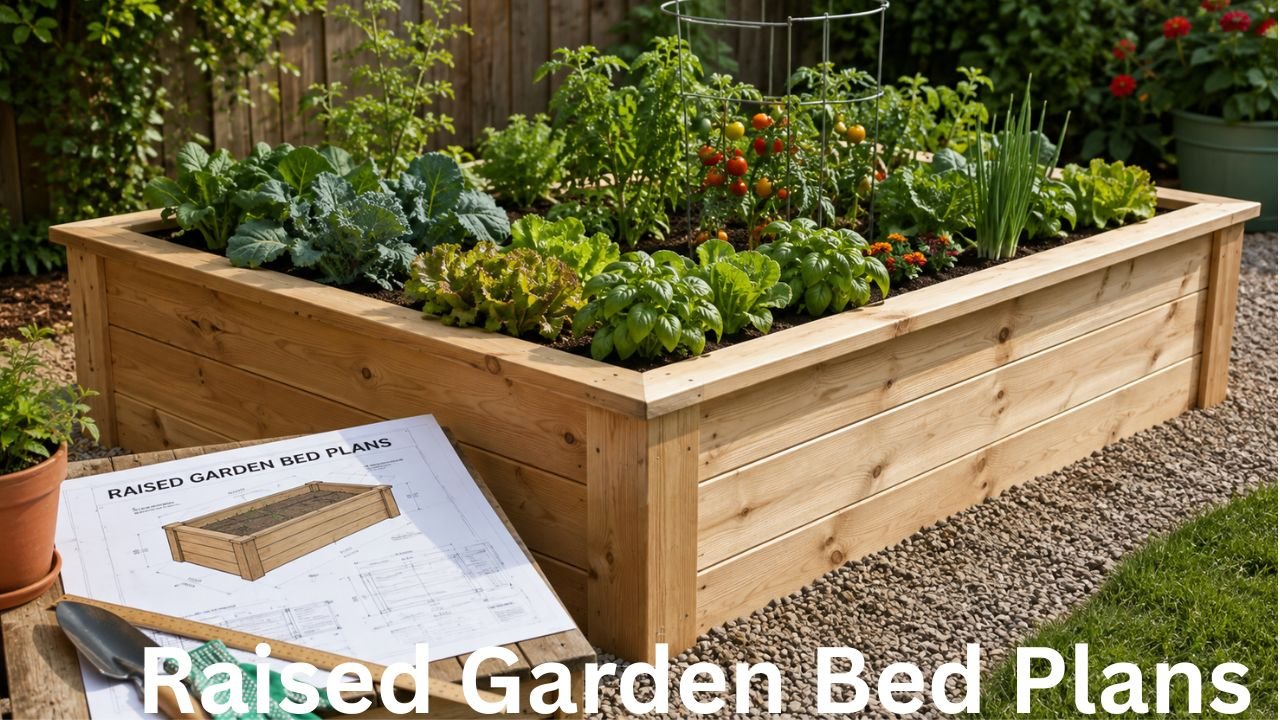
If you want to grow fresh vegetables, herbs, or flowers but do not have perfect soil, raised garden bed plans can be an excellent place to start. Raised beds make gardening more organized, improve drainage, and allow you to control the soil your plants grow in.
Another advantage is flexibility. A raised bed can be built in a small backyard, along a patio, beside a fence, or even in a compact urban garden. You can make one from inexpensive lumber, recycled materials, bricks, stones, or other suitable materials.
The best design depends on your available space, budget, gardening goals, and the plants you want to grow. In this guide, we will explore practical raised garden bed ideas, important dimensions, material choices, soil tips, and simple ways to build a productive garden.
Why Use a Raised Garden Bed?
Raised garden beds offer several benefits compared with traditional in-ground gardening.
One of the biggest advantages is improved control over the growing environment. Instead of relying entirely on existing soil, you can fill the bed with a quality mixture designed for vegetables and other plants.
Raised beds can also be easier to maintain. Their defined boundaries make it simpler to separate plants, remove weeds, and plan where each crop will grow.
Other benefits include:
- Better drainage in areas with heavy or compacted soil
- Easier access for planting and harvesting
- Greater control over soil quality
- A more organized garden layout
- Warmer soil earlier in the growing season
- Less bending when taller beds are used
- Easy separation of different crops
- Attractive landscaping around patios and yards
For gardeners dealing with poor soil or limited space, a well-designed raised bed can make gardening considerably more convenient.
Popular Raised Garden Bed Plans
There is no single perfect raised bed design. The right option depends on your garden and how much space you have.
Here are several practical designs worth considering.
1. Simple Rectangular Raised Bed
A basic rectangular bed is one of the easiest designs for beginners.
A common size is 4 feet wide by 8 feet long. This width allows you to reach the middle of the bed from either side without stepping into the growing area.
For a smaller garden, a 4-by-4-foot bed can be more practical.
2. Small Square Garden Bed
Square beds work particularly well in small yards.
A 4-by-4-foot design provides enough room for herbs, leafy greens, radishes, carrots, and compact vegetables while keeping the construction simple.
You can build several small beds instead of one large structure if you want to separate crops.
3. Long Narrow Raised Bed
If your available space is narrow, consider a long bed that is only 2 to 3 feet wide.
This design works well beside:
- Fences
- Walkways
- House walls
- Driveways
- Patios
Keeping the bed narrow makes it easier to reach all the plants.
4. U-Shaped Raised Garden Bed
A U-shaped design provides more planting space while creating an accessible area in the center.
It is useful for larger gardens where you want to grow several types of plants in one structure. The central opening also gives you convenient access to plants without walking through the soil.
5. Tiered Raised Garden Bed
Tiered beds use different levels to create a stepped appearance.
They are particularly useful when you want to grow plants with different height requirements. Smaller tiers can be used for herbs or flowers, while deeper sections can accommodate larger vegetables.
Tiered designs can also add visual interest to an otherwise plain yard.
6. Corner Raised Bed
A corner garden bed can turn an unused part of the yard into productive growing space.
L-shaped beds are especially useful in corners because they follow the existing boundaries of the garden. You can place one against a fence or use it to define the edge of a patio.
7. Elevated Raised Garden Bed
An elevated bed is raised considerably higher than a standard garden box.
This option can be useful for gardeners who want less bending and kneeling. It also works well on patios, balconies, decks, and other locations where traditional garden beds may not be practical.
Because elevated beds dry out more quickly, watering needs should be monitored carefully.
8. Keyhole Garden Bed
A keyhole design has a small access path extending toward the center.
The shape allows you to reach a larger planting area without walking around the entire bed. It can be particularly useful where space is limited.
9. Brick Raised Garden Bed
Wood is not the only option. Bricks can create a durable garden border with a traditional appearance.
Brick beds can work especially well with landscaping that already includes brick paths, walls, or patios.
10. Stone Raised Bed
Natural stone can create a long-lasting raised garden structure.
Although stone construction may require more planning and physical effort, it can blend beautifully with outdoor landscapes. Make sure the structure is stable and does not create unsafe edges.
Raised Garden Bed Dimensions
Choosing the correct dimensions is important because an attractive bed is not necessarily a practical one.
The bed should be large enough for the plants you want to grow but narrow enough that you can reach the center comfortably.
| Raised Bed Type | Suggested Width | Suggested Length | Typical Use |
|---|---|---|---|
| Small square bed | 3–4 ft | 3–4 ft | Herbs and compact vegetables |
| Standard rectangular bed | 3–4 ft | 6–8 ft | Mixed vegetables |
| Narrow bed | 2–3 ft | 6–10 ft | Fences and walkways |
| Deep raised bed | 3–4 ft | 4–8 ft | Root crops and larger plants |
| Elevated bed | 2–4 ft | 4–8 ft | Easier-access gardening |
| U-shaped bed | 3–4 ft sections | Varies | Large mixed gardens |
For most traditional beds, keeping the width around 4 feet or less is a useful starting point. This makes it easier to reach plants from both sides.
The length is much more flexible and can be adjusted according to the space available.
How Deep Should a Raised Garden Bed Be?
Bed depth depends on what you plan to grow.
Many vegetables can grow successfully in a bed that is around 8 to 12 inches deep. However, deeper beds provide more room for roots and can be helpful for plants that need additional growing space.
For example, crops such as carrots and parsnips may benefit from deeper soil. Tomatoes and other larger plants can also appreciate sufficient root space.
If you are building a bed over concrete or another hard surface, greater depth becomes especially important because roots cannot extend into the ground underneath.
Choosing Materials for Raised Garden Beds
The material you choose affects the appearance, durability, cost, and maintenance of your garden bed.
Wood
Wood is one of the most popular materials because it is easy to work with and widely available.
When choosing lumber, use materials that are appropriate for outdoor gardening applications. Avoid materials that may introduce unwanted chemicals into the growing environment.
Composite Materials
Composite boards can offer durability and require less maintenance than some types of untreated wood.
They may cost more initially but can remain attractive for years.
Bricks and Blocks
Bricks and suitable masonry blocks can create sturdy permanent beds. They are especially useful when you want your garden structure to become part of the landscape.
Stone
Stone gives a natural appearance and can last for many years when properly installed.
The downside is that stone beds may take more effort to construct and can be harder to modify later.
How to Build a Basic Raised Garden Bed
A straightforward rectangular design can be built without complicated construction techniques.
Step 1: Choose the Location
Look for an area that receives enough sunlight for the crops you want to grow.
Many vegetables perform best with several hours of direct sunlight each day. Also consider access to water because carrying water across a large yard can quickly become inconvenient.
Step 2: Measure the Area
Mark the dimensions before purchasing materials.
Leave enough space around the bed for walking, harvesting, watering, and maintenance.
Step 3: Prepare the Ground
Remove large weeds, grass, and debris from the area.
The ground does not necessarily have to be perfectly level, but major slopes should be addressed so the bed remains stable.
Step 4: Assemble the Frame
Cut or purchase your boards to the desired dimensions and connect them securely.
Check that the corners are square and the structure is stable before filling it.
Step 5: Add Quality Soil
Fill the bed with a suitable growing mixture.
Avoid simply filling the entire structure with heavy native soil, particularly if the existing soil has drainage or quality problems.
A well-balanced garden soil mixture can provide plants with a better growing environment.
Step 6: Plan Your Plants
Arrange plants according to their mature size and sunlight requirements.
Place taller plants where they are less likely to shade smaller crops.
Step 7: Water and Mulch
Water deeply when needed rather than constantly adding small amounts.
A layer of appropriate organic mulch can help reduce evaporation and suppress weeds.
Best Vegetables for Raised Garden Beds
Raised beds are suitable for many different crops.
Some beginner-friendly options include:
- Lettuce
- Spinach
- Radishes
- Carrots
- Bush beans
- Peppers
- Cucumbers
- Tomatoes
- Beets
- Onions
- Kale
- Herbs
You do not need to grow everything at once. Starting with a few reliable crops can make your first season easier to manage.
Tips for Planning a Productive Raised Bed
Good planning can make a noticeable difference in the results you get from your garden.
Leave Enough Walking Space
Do not place beds so close together that you cannot comfortably move between them.
A usable path makes watering, harvesting, and maintenance much easier.
Think About Sunlight
Observe your garden throughout the day before deciding where each bed should go.
A location that looks sunny in the morning may become shaded later.
Avoid Overcrowding
It can be tempting to plant as much as possible, but overcrowding can reduce airflow and make maintenance more difficult.
Follow the expected mature size of each plant rather than judging spacing only by the size of young seedlings.
Use Vertical Space
Crops such as cucumbers, peas, and some varieties of beans can grow upward with suitable support.
A trellis can increase productivity without requiring a larger footprint.
Rotate Crops
If you grow vegetables in the same bed year after year, rotating crop families can help maintain a healthier gardening system.
It also gives you an opportunity to experiment with different seasonal crops.

Common Raised Garden Bed Mistakes to Avoid
Even a simple garden bed can create problems if it is poorly planned.
One common mistake is making the bed too wide. If you cannot comfortably reach the center, you may eventually step into the growing area and compact the soil.
Another mistake is ignoring drainage. A raised bed should not become a container that stays excessively wet after rainfall.
Avoid placing a bed where nearby structures, trees, or walls block essential sunlight.
It is also important not to underestimate how much soil a large raised bed requires. Measure the dimensions first so you can estimate the amount of growing material you will need.
Finally, avoid planting too many different crops without considering their water, sunlight, and spacing requirements.
FAQ About Raised Garden Bed Plans
What is the best size for a raised garden bed?
A width of around 3 to 4 feet is a practical starting point for many gardeners because it allows you to reach the plants from either side. The length can be adjusted according to your available space.
How deep should a raised garden bed be?
Around 8 to 12 inches can work for many shallow-rooted vegetables, while deeper beds may be better for root crops and plants that require more growing space. The ideal depth depends on the plants and whether the bed sits directly on soil.
What is the cheapest way to build a raised garden bed?
A simple rectangular wooden frame is often one of the easiest low-cost options. Using a small design and purchasing appropriately sized outdoor lumber can help keep the overall project affordable.
Can raised garden beds be placed on grass?
Yes. However, it is usually helpful to prepare the area first by removing or suppressing existing grass and weeds. A properly prepared base can make future maintenance easier.
What vegetables grow best in raised beds?
Many vegetables can perform well in raised beds, including lettuce, spinach, carrots, radishes, beans, peppers, tomatoes, cucumbers, onions, and leafy greens.
Do raised garden beds need drainage?
Yes. Excess water needs a way to drain away. Poor drainage can leave plant roots saturated and create an unhealthy growing environment.
Final Thoughts
The best raised garden bed plans are not necessarily the most complicated ones. A simple, well-sized bed with good soil, adequate sunlight, reliable drainage, and sensible plant spacing can produce an impressive garden.
Start with a design that matches your available space and gardening experience. A small 4-by-4-foot bed may be all you need to grow herbs and vegetables for your household, while larger gardens can combine rectangular, U-shaped, tiered, and elevated beds.
Most importantly, design the garden around how you will actually use it. Make the beds easy to reach, keep pathways accessible, choose suitable materials, and give your plants enough room to grow.
With thoughtful planning, even a modest outdoor area can become a productive and attractive garden that you can enjoy throughout the growing season.
Also Read: Architectural Digest India: A Guide to Indian Interior Design, Architecture, and Home Inspiration


One thought on “Raised Garden Bed Plans: 15 Easy Ideas for Growing a Better Garden”