Not every room in a home gets bright sunlight. Some spaces have small windows, face away from direct sunlight, or simply sit in a naturally shaded part of the house. Fortunately, limited sunlight does not mean you have to give up on indoor greenery.
There are many beautiful plants that can grow surprisingly well in low-light conditions. Choosing the right varieties can make darker rooms feel fresher, warmer, and more inviting without requiring complicated care.
If you are searching for the best indoor plants for low light, this guide will help you find options that fit different spaces, lifestyles, and levels of gardening experience. From nearly effortless houseplants to attractive leafy varieties, there is something here for almost every indoor environment.
What Does Low Light Mean for Indoor Plants?
Low light does not necessarily mean a room is completely dark. Most low-light plants still need some natural or artificial light to stay healthy.
A low-light location may be:
- A room with a north-facing window
- A hallway several feet away from a window
- A bathroom with limited natural light
- An office with indirect daylight
- A bedroom where sunlight is blocked by curtains or nearby buildings
- A corner that receives filtered rather than direct sunlight
It is important to remember that low light and no light are different. No plant can thrive indefinitely without light because plants need light for photosynthesis.
If a room receives virtually no natural light, a suitable grow light can make it much easier to keep plants healthy.
Best Indoor Plants for Low Light
The following plants are popular choices because they can tolerate less light than many other common houseplants. However, their exact requirements vary, so placement and watering still matter.
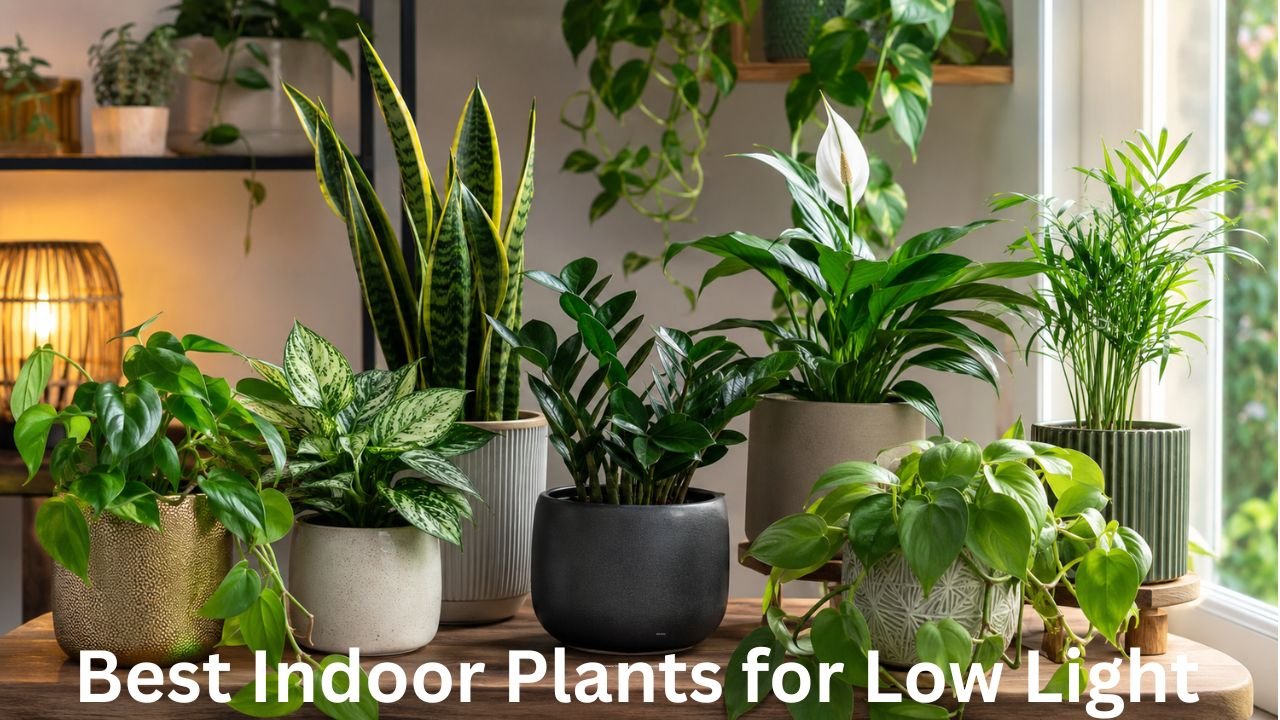
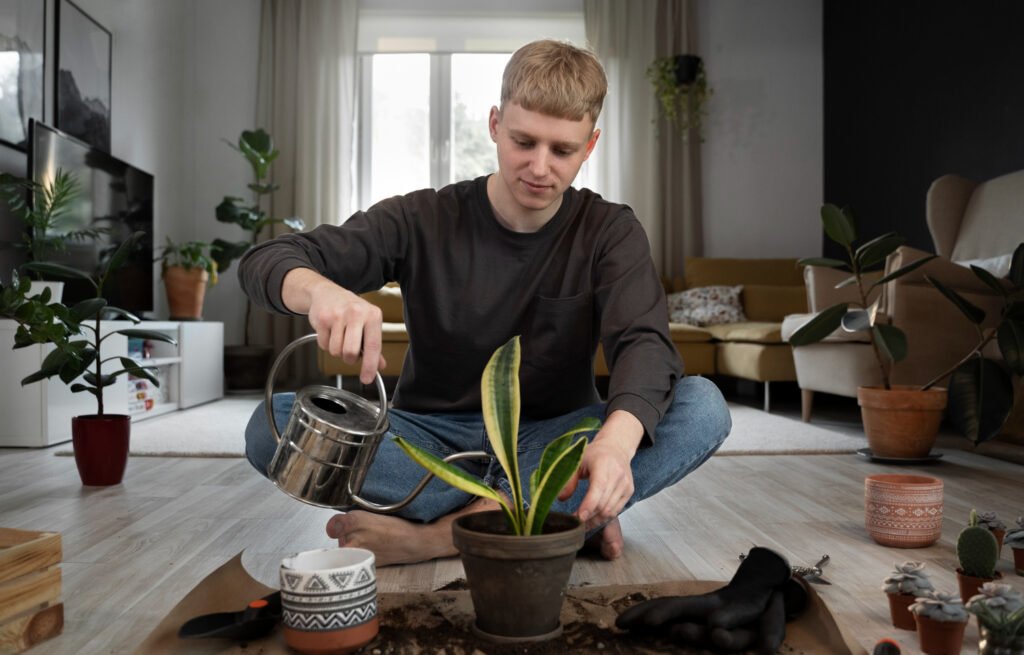
1. Snake Plant
The snake plant is one of the easiest houseplants for beginners. Its tall, upright leaves give it a modern appearance, making it suitable for bedrooms, offices, living rooms, and hallways.
It tolerates low light particularly well and does not need frequent watering. In fact, overwatering is generally a bigger problem than underwatering.
Snake plants come in several varieties with different leaf patterns and colors. Their architectural shape also makes them useful when you want to add height without taking up much floor space.
2. ZZ Plant
The ZZ plant is another excellent option for rooms that do not receive much sunlight. It has thick, glossy leaves that give it a polished and healthy appearance.
One of its biggest advantages is its ability to tolerate periods of neglect. It stores water in its underground structures, which means it generally prefers being allowed to dry somewhat between waterings.
The ZZ plant works especially well in offices and busy households where regular plant care may be difficult.
3. Pothos
Pothos is a versatile trailing plant that can adapt to a variety of indoor conditions. Its heart-shaped leaves make it attractive in hanging baskets, on shelves, or trained along a support.
While brighter indirect light can encourage stronger growth and more pronounced variegation, pothos can tolerate lower-light locations.
It is also easy to propagate, making it a fun choice if you want to grow new plants from cuttings.
4. Cast Iron Plant
The cast iron plant has earned a reputation for being exceptionally tough. It can handle lower light levels and is generally forgiving when indoor conditions are not perfect.
Its long, dark green leaves create a simple but elegant appearance. It can be particularly useful in darker corners where more light-demanding plants may struggle.
Growth can be slower in low light, but patience is usually rewarded with a healthy-looking plant.
5. Chinese Evergreen
Chinese evergreen, commonly known as Aglaonema, is valued for its attractive foliage and tolerance of lower-light environments.
Different varieties feature green, silver, cream, or patterned leaves. This gives you plenty of choices if you want something more decorative than a plain green plant.
Keep the plant away from harsh direct sunlight, which can damage its foliage. Bright indirect light is helpful for maintaining vibrant coloration, while many varieties can tolerate lower-light conditions.
6. Peace Lily
Peace lilies are known for their dark green leaves and distinctive white flowers. They can tolerate relatively low indoor light, although flowering may become less frequent when light levels are very low.
They prefer evenly moist soil but should not be left sitting in constantly waterlogged conditions.
One useful characteristic is that peace lilies can visibly droop when they need water. Once watered appropriately, they often recover relatively quickly.
7. Parlor Palm
If you want a softer, tropical appearance, the parlor palm can be a good choice. Its delicate-looking foliage adds a relaxed feel to living rooms, bedrooms, and offices.
It generally prefers indirect light and can tolerate lower-light indoor conditions better than many larger tropical palms.
Avoid placing it directly against a cold window or near strong heating and cooling vents.
8. Dracaena
Dracaena includes numerous attractive houseplant varieties with long, narrow leaves and interesting colors.
Many types can adapt to lower indoor light, although growth may be slower than it would be in brighter indirect light.
Dracaenas are especially useful when you want a plant with vertical growth. They can fit nicely beside furniture or in otherwise empty corners.
9. Heartleaf Philodendron
The heartleaf philodendron is a classic indoor plant with attractive heart-shaped leaves and trailing stems.
It can handle lower light, although brighter indirect light generally supports more vigorous growth. Its trailing habit makes it ideal for shelves, hanging planters, or plant stands.
It is also relatively forgiving, making it a popular choice for people who are still developing their indoor gardening skills.
10. Lucky Bamboo
Lucky bamboo is commonly grown indoors in decorative containers and can tolerate relatively low light.
Its upright stems provide a distinctive look that works well on desks, shelves, and side tables.
If grown in water, make sure the container and water remain clean. If planted in soil, avoid keeping the roots constantly saturated.
Quick Comparison of Low-Light Houseplants
| Plant | Low-Light Tolerance | Watering Needs | Best For |
|---|---|---|---|
| Snake Plant | Excellent | Low | Beginners, bedrooms |
| ZZ Plant | Excellent | Low | Offices, busy homes |
| Pothos | Very good | Moderate | Shelves, hanging baskets |
| Cast Iron Plant | Excellent | Moderate | Dark corners |
| Chinese Evergreen | Very good | Moderate | Decorative foliage |
| Peace Lily | Good | Moderate | Living rooms, bedrooms |
| Parlor Palm | Good | Moderate | Tropical-style spaces |
| Dracaena | Good | Moderate | Floor displays |
| Heartleaf Philodendron | Good | Moderate | Hanging planters |
| Lucky Bamboo | Good | Moderate | Desks and small spaces |
How to Choose the Right Low-Light Plant
Choosing a plant is about more than simply finding something labeled “low light.” Consider how much care you can provide and where you want to place it.
Consider the Available Light
Observe the room throughout the day. A space that appears dark at night may actually receive several hours of indirect daylight.
If possible, place your plant where it receives the strongest indirect light available without exposing it to harsh direct sun.
Think About Your Watering Habits
If you often forget to water plants, a snake plant or ZZ plant may be a better choice than a plant that prefers consistently moist soil.
On the other hand, if you enjoy regular plant care, you have more options to choose from.
Match the Plant to the Space
Consider the plant’s mature size before buying it.
For example:
- Small desks: Lucky bamboo or compact ZZ plants
- Shelves: Pothos or heartleaf philodendron
- Floor spaces: Snake plant or dracaena
- Dark corners: Cast iron plant
- Decorative rooms: Chinese evergreen or peace lily
How to Care for Indoor Plants in Low Light
Low-light plants are often easier to care for, but they still have specific needs.
Avoid Overwatering
One of the most common mistakes with low-light houseplants is watering too frequently.
Plants generally use water more slowly when light levels are low. As a result, soil can remain wet for longer periods.
Always check the soil before watering rather than following a rigid schedule.
Use Well-Draining Soil
Good drainage helps prevent water from accumulating around the roots.
Make sure your container has drainage holes and use a suitable potting mix for the type of plant you are growing.
Clean the Leaves
Dust can accumulate on broad indoor leaves over time. Gently wiping the leaves with a clean, damp cloth can improve their appearance and help them make better use of available light.
Rotate Your Plants
Plants naturally grow toward available light. Rotating the pot occasionally can help encourage more balanced growth.
Watch for Signs of Stress
Pay attention to changes in the leaves. Yellowing, wilting, browning, or unusually slow growth may indicate that something needs adjustment.
The problem could be related to water, light, temperature, drainage, pests, or other environmental conditions.
Can Low-Light Plants Survive in a Windowless Room?
A completely windowless room is different from a naturally dim room.
While many plants can tolerate low light, they still require light for photosynthesis. If there is no meaningful natural light, consider using an artificial grow light.
A grow light can provide the energy plants need without requiring you to move them to another room.
For offices, bathrooms, and interior spaces, artificial lighting can make it possible to enjoy plants where natural daylight is limited.
Common Mistakes to Avoid
Even hardy plants can struggle if their basic needs are ignored.
Avoid these common mistakes:
- Watering on a fixed schedule without checking the soil
- Assuming low-light plants need complete darkness
- Using pots without drainage holes
- Placing plants directly beside heating or cooling vents
- Expecting rapid growth in very low light
- Ignoring signs of pests or root problems
- Giving heavily variegated plants too little light and expecting strong coloration
- Moving plants suddenly from low light into intense direct sunlight
Small adjustments can make a major difference in indoor plant health.
Benefits of Adding Plants to Low-Light Rooms
Houseplants can do more than fill an empty corner. They can also contribute to the overall atmosphere of a room.
Green foliage can make an office feel more welcoming, soften the appearance of furniture, and add a natural element to bedrooms and living spaces.
Plants can also become part of your daily routine. Caring for them provides a simple opportunity to slow down and pay attention to something growing over time.
The key is to choose realistic options for your environment rather than forcing a sun-loving plant to survive in a dark corner.
Frequently Asked Questions
What is the best indoor plant for very low light?
Snake plants and ZZ plants are among the strongest choices for very low-light indoor environments. They are relatively tolerant and generally do not require frequent watering.
Can indoor plants grow without sunlight?
Plants need light to photosynthesize, but the light does not necessarily have to come directly from the sun. If natural light is extremely limited, an appropriate grow light can provide supplemental illumination.
How often should I water low-light houseplants?
There is no universal watering schedule. Check the soil before watering. Low-light plants often use water more slowly, so watering too frequently can create problems with soggy soil and root health.
Is a snake plant good for a dark bedroom?
A snake plant can be a suitable choice for a bedroom with limited natural light. However, even a tolerant plant benefits from having some usable light rather than being kept in complete darkness.
Which low-light plant is easiest for beginners?
Snake plants and ZZ plants are excellent beginner choices because they are relatively forgiving and can tolerate periods of less frequent care.
Why is my low-light plant turning yellow?
Yellow leaves can have several causes, including overwatering, poor drainage, aging leaves, environmental stress, or unsuitable light conditions. Check the soil moisture and drainage before making major changes.
Final Thoughts
Finding the best indoor plants for low light does not have to be difficult. Snake plants, ZZ plants, pothos, cast iron plants, Chinese evergreen, peace lilies, and several other varieties can bring attractive greenery into rooms where sunlight is limited.
The most important thing is to understand your particular space. Consider the available light, watering habits, humidity, temperature, and the amount of care you can realistically provide.
Start with one or two forgiving varieties and observe how they respond. With the right plant in the right location, even a dim corner can become a beautiful part of your home.
Also Read: How to Propagate Snake Plant: Easy Methods for Growing New Plants


One thought on “Best Indoor Plants for Low Light: Beautiful Choices for Darker Rooms”