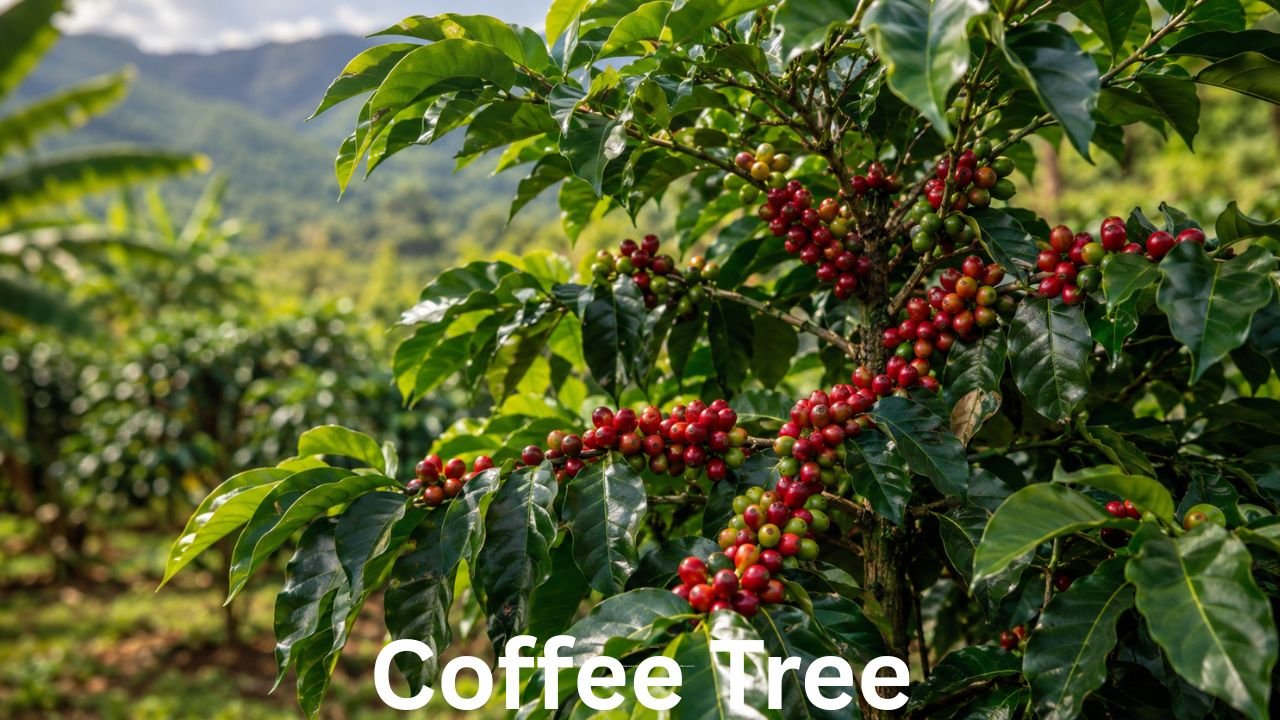
Have you ever wondered where your morning cup of coffee begins? Before coffee reaches your mug, it starts its journey on a coffee tree. Although many people call it a tree, coffee is often grown as a small tree or large shrub that produces the cherries containing coffee beans.
Whether you’re a gardening enthusiast, a coffee lover, or someone curious about growing your own coffee plant, this guide covers everything you need to know. From different coffee species to planting, care, harvesting, and common problems, you’ll discover why the coffee tree is one of the world’s most valuable and fascinating plants.
What Is a Coffee Tree?
A coffee tree is a tropical evergreen plant belonging to the genus Coffea. It produces colorful berries called coffee cherries, each usually containing two coffee beans. These beans are harvested, processed, roasted, and eventually brewed into the coffee enjoyed worldwide.
Although wild coffee trees can grow over 30 feet (9 meters) tall, commercial growers usually prune them to around 6–8 feet (1.8–2.5 meters). This makes harvesting easier while encouraging healthier growth.
Coffee trees are native to Africa but are now cultivated across tropical regions around the globe.
Coffee Tree Quick Facts
| Feature | Details |
|---|---|
| Scientific Name | Coffea |
| Plant Type | Evergreen shrub or small tree |
| Native Region | Tropical Africa |
| Average Height | 6–30 feet (pruned commercially) |
| Lifespan | 30–50 years or more |
| Sunlight | Bright indirect light or partial shade |
| Soil Type | Rich, well-draining, slightly acidic soil |
| USDA Zones | 10–11 outdoors |
| Fruit | Coffee cherries |
| Main Product | Coffee beans |
Types of Coffee Trees
More than 120 coffee species exist, but only a few are grown commercially.
Arabica Coffee Tree (Coffea arabica)
Arabica accounts for approximately 60–70% of global coffee production.
Characteristics include:
- Smooth, mild flavor
- Lower caffeine content
- Grows at higher elevations
- More sensitive to pests and climate changes
Arabica is generally considered the premium coffee variety because of its balanced taste and pleasant aroma.
Robusta Coffee Tree (Coffea canephora)
Robusta is known for being hardy and productive.
Key features include:
- Higher caffeine content
- Strong, bold flavor
- Greater resistance to diseases
- Thrives in warmer climates
Robusta is commonly used in espresso blends and instant coffee.
Liberica Coffee Tree
Liberica is less common but highly distinctive.
It offers:
- Large leaves
- Large cherries
- Fruity and smoky flavor profile
- Unique aroma
This species is primarily grown in parts of Southeast Asia.
Where Do Coffee Trees Grow?
Coffee trees flourish in the “Coffee Belt,” a region surrounding the equator where temperatures remain warm year-round.
Major coffee-producing countries include:
- Brazil
- Vietnam
- Colombia
- Ethiopia
- Indonesia
- Honduras
- Peru
- Guatemala
- Mexico
Ideal growing conditions include:
- Temperatures between 60°F and 75°F (15°C–24°C)
- Annual rainfall of 40–100 inches
- High humidity
- Rich volcanic or loamy soil
- Partial shade

How to Grow a Coffee Tree at Home
Growing a coffee tree indoors is possible with proper care. While producing beans may take patience, the glossy leaves alone make it an attractive houseplant.
Choose the Right Plant
Most home gardeners purchase a young Arabica coffee plant because it’s easier to grow indoors.
Healthy plants should have:
- Dark green leaves
- Strong stems
- No yellowing
- No signs of insects
Select the Best Pot
Choose a container that:
- Has drainage holes
- Is slightly larger than the root ball
- Allows room for future growth
Repot every two to three years as needed.
Use Well-Draining Soil
Coffee trees prefer soil that is:
- Slightly acidic (pH 6–6.5)
- Rich in organic matter
- Moist but never soggy
A mixture of peat moss, compost, and perlite works well.
Provide Proper Lighting
Indoor coffee trees prefer:
- Bright indirect sunlight
- East-facing windows
- Filtered afternoon light
Avoid prolonged direct sunlight, which may scorch the leaves.
Water Consistently
Coffee trees enjoy evenly moist soil.
General watering tips:
- Water when the top inch of soil becomes dry.
- Avoid standing water.
- Reduce watering during winter.
Overwatering is one of the most common causes of plant decline.
Fertilizing a Coffee Tree
Feed your coffee tree during the growing season with a balanced liquid fertilizer every four to six weeks.
Essential nutrients include:
- Nitrogen
- Phosphorus
- Potassium
- Magnesium
Stop fertilizing during winter when growth naturally slows.
Temperature and Humidity Requirements
Coffee plants thrive in warm, humid conditions.
Ideal conditions:
- Temperature: 65–75°F (18–24°C)
- Humidity: 50–70%
- Protection from cold drafts
If your home is dry, consider:
- Using a humidifier
- Placing the pot on a pebble tray
- Grouping plants together
How Long Does It Take a Coffee Tree to Produce Beans?
Patience is essential.
Typical timeline:
- 1–2 years: Establishment
- 3–5 years: First flowers
- 4–5 years: Initial fruit production
- 6–8 years: Better harvests
White, jasmine-like flowers appear before cherries develop.
Understanding Coffee Cherries
After flowering, green cherries gradually develop.
Color changes include:
- Green
- Yellow
- Orange
- Bright red (ripe)
Only ripe cherries should be harvested for the best flavor.
Harvesting Coffee Beans
Harvesting is usually done by hand.
The process includes:
- Pick ripe cherries.
- Remove the fruit.
- Wash the beans.
- Dry thoroughly.
- Roast.
- Grind.
- Brew.
Freshly roasted beans offer superior aroma and taste.
Common Coffee Tree Problems
Even healthy plants can experience occasional issues.
Yellow Leaves
Possible causes:
- Overwatering
- Poor drainage
- Nutrient deficiencies
Brown Leaf Tips
Often caused by:
- Low humidity
- Underwatering
- Salt buildup from fertilizer
Leaf Drop
Possible reasons:
- Temperature changes
- Cold drafts
- Root stress
Slow Growth
Growth may slow because of:
- Insufficient light
- Lack of nutrients
- Small container
Common Pests
Watch for these insects:
- Spider mites
- Scale insects
- Mealybugs
- Aphids
Neem oil and insecticidal soap usually provide effective treatment.
Pruning a Coffee Tree
Regular pruning helps maintain shape and encourages branching.
Benefits include:
- Better airflow
- Easier harvesting
- Stronger structure
- Healthier growth
Remove:
- Dead branches
- Damaged stems
- Crossing branches
Interesting Facts About Coffee Trees
Many people know coffee as a drink but know little about the plant itself.
Some fascinating facts include:
- Coffee trees can live for over 50 years.
- They produce fragrant white flowers.
- Every coffee bean begins inside a fruit.
- Coffee cherries are technically berries.
- Bees help improve coffee production through pollination.
- A single mature tree can produce several pounds of coffee cherries annually.

Benefits of Growing a Coffee Tree
A coffee tree offers more than just the possibility of homegrown beans.
Advantages include:
- Attractive glossy foliage
- Pleasant fragrant flowers
- Conversation-starting houseplant
- Educational gardening experience
- Potential home coffee harvest
- Long lifespan
Indoor vs. Outdoor Coffee Trees
| Feature | Indoor | Outdoor |
|---|---|---|
| Growth Rate | Moderate | Faster |
| Height | 4–8 feet | Up to 30 feet |
| Bean Production | Limited | High |
| Temperature Control | Easy | Weather-dependent |
| Maintenance | Moderate | Moderate |
Frequently Asked Questions
Can I grow a coffee tree indoors?
Yes. Arabica coffee plants adapt well to indoor environments if they receive bright indirect light, consistent moisture, and adequate humidity.
How long does a coffee tree live?
A healthy coffee tree can live for 30 to 50 years, and some survive even longer with proper care.
Do coffee trees need full sun?
No. They naturally grow beneath taller forest trees, so partial shade or bright indirect sunlight is ideal.
How many coffee beans does one tree produce?
Production varies depending on age, climate, and care, but a mature coffee tree can produce enough cherries to yield roughly one to two pounds of roasted coffee annually.
Are coffee cherries edible?
Yes. The outer fruit is edible and slightly sweet. It is also used to make cascara tea in some regions.
Is a coffee tree difficult to maintain?
Not particularly. Once established, coffee trees are relatively easy to care for as long as they receive proper light, water, humidity, and occasional fertilizer.
Final Thoughts
The coffee tree is much more than the source of your favorite morning beverage. It is a beautiful evergreen plant with glossy foliage, fragrant flowers, and vibrant cherries that transform into one of the world’s most beloved drinks.
Whether you’re interested in growing a coffee tree as an ornamental houseplant or hoping to harvest your own beans one day, success comes from providing warm temperatures, consistent moisture, rich soil, and patience. With proper care, a coffee tree can thrive for decades, rewarding you with beauty, fascinating growth, and perhaps even a homegrown cup of coffee.
By understanding how coffee trees grow and what they need to flourish, you’ll gain a greater appreciation for every cup of coffee you enjoy.
Also Read: 3×3 Garden: The Complete Beginner’s Guide to Planning, Planting, and Maximizing a Small Garden


One thought on “Coffee Tree: A Complete Guide to Growing, Caring for, and Understanding Coffee Plants”