
A beautiful home is not just about expensive furniture, trendy decorations, or perfectly matching colors. It is about creating a space where you feel comfortable, relaxed, and genuinely happy. Whether you live in a small apartment or a spacious family house, thoughtful interior design can make your surroundings more attractive and functional.
If you have been exploring interior design DrHomey, you are probably looking for practical ways to refresh your living space without making everything complicated or expensive.
The good news is that improving your home’s appearance does not always require professional designers or major renovations. Sometimes, rearranging furniture, changing lighting, or introducing natural textures can completely transform a room.
In this guide, we will explore creative interior design ideas, smart decorating techniques, color combinations, furniture arrangements, and budget-friendly improvements that can help you create a beautiful home.
What Is Interior Design DrHomey?
Interior design DrHomey is a search term associated with home decorating inspiration, interior styling, and practical ideas for improving residential spaces.
Rather than treating interior design as something reserved for luxury properties, a DrHomey-inspired approach focuses on making everyday homes attractive, comfortable, and functional.
The idea is simple: your home should reflect your personality while supporting your daily activities.
A thoughtfully designed interior usually combines several important elements:
- Comfortable and functional furniture
- Balanced color combinations
- Proper natural and artificial lighting
- Attractive decorative accessories
- Efficient use of available space
- Practical storage solutions
- Personal touches that create a welcoming atmosphere
When these elements work together, even an ordinary room can feel professionally designed.
The goal is not necessarily to follow every decorating trend. Instead, it is to develop a living environment that suits your preferences, budget, and lifestyle.
Why Interior Design Matters for Every Home
Interior design affects more than the appearance of your surroundings. It also influences how comfortably and efficiently you use your living space.
A poorly arranged room may feel crowded even when it contains relatively little furniture. Similarly, a spacious room can appear cold and uninviting without suitable lighting, colors, and decorative details.
Good interior design helps solve these problems.
Creates a Comfortable Living Environment
Comfort should always be a priority when decorating a home.
Soft furnishings, suitable furniture dimensions, warm lighting, and thoughtful layouts make everyday activities more enjoyable.
For example, a living room with comfortable seating and a well-positioned coffee table encourages conversation and relaxation.
Improves Space Management
Effective interior design helps homeowners use available space efficiently.
This is especially important in apartments and smaller houses where every square foot matters.
Wall-mounted shelves, multifunctional furniture, and organized storage can reduce clutter without sacrificing style.
Reflects Your Personal Style
Your home should communicate something about your personality.
Some people prefer modern interiors with clean lines and neutral colors. Others enjoy traditional furniture, colorful accessories, and decorative patterns.
There is no universal design style that works for everyone.
The most successful interiors balance personal preferences with practical requirements.
Popular Interior Design Styles to Consider
Before decorating a room, it helps to understand the different interior design styles available.
Choosing a general direction makes it easier to select furniture, colors, lighting, and accessories that complement one another.
| Interior Design Style | Main Features | Best Suited For |
|---|---|---|
| Modern | Clean lines, simple furniture, neutral colors | Contemporary homes and apartments |
| Minimalist | Limited decorations, open spaces, functional furniture | Small homes and clutter-free living |
| Scandinavian | Light colors, natural wood, comfortable textures | Bright and cozy interiors |
| Traditional | Classic furniture, elegant details, rich colors | Timeless family homes |
| Industrial | Exposed brick, metal accents, unfinished textures | Lofts and urban apartments |
| Bohemian | Layered textiles, plants, colorful patterns | Creative and relaxed spaces |
| Contemporary | Current design influences, flexible layouts, mixed materials | Homeowners who enjoy changing styles |
Each style has its advantages.
For example, minimalist design works particularly well in compact rooms, while Scandinavian interiors are popular among homeowners who appreciate simplicity and warmth.
You can also combine elements from different styles.
A modern living room might include Scandinavian wooden furniture, traditional artwork, and a few bohemian decorative pieces.
The important thing is to maintain visual balance.
Interior Design DrHomey Ideas for Your Living Room
The living room is often the most frequently used space in a home.
It serves as a place for relaxing, entertaining visitors, watching television, and spending time with family.
Because it supports several activities, its design should balance appearance and functionality.
Choose Furniture That Fits the Room
One common decorating mistake is purchasing furniture that is too large for the available space.
A massive sectional sofa may look attractive in a showroom but overwhelm a compact living room.
Before buying furniture, measure the room and identify where major pieces will be positioned.
Consider these practical suggestions:
- Select sofas that match the room’s proportions.
- Leave comfortable walking paths between furniture.
- Use smaller accent chairs when additional seating is necessary.
- Consider nesting tables instead of oversized coffee tables.
- Avoid placing furniture where it blocks doors or windows.
Furniture placement can make a noticeable difference without requiring additional spending.
Create an Attractive Focal Point
A focal point gives the room a clear visual center.
It might be a fireplace, large artwork, decorative wall, television unit, or statement sofa.
Once you identify the focal point, arrange the surrounding furniture to complement it.
For example, if a large window provides a beautiful garden view, position seating so that people can enjoy the scenery.
This simple decision can make the room feel more intentional and inviting.
Introduce Texture and Layers
Rooms decorated with only smooth surfaces can sometimes feel flat.
Adding different textures creates depth and visual interest.
Consider combining:
- Cotton or linen cushions
- Soft area rugs
- Wooden furniture
- Woven baskets
- Ceramic accessories
- Upholstered chairs
- Lightweight curtains
You do not need to introduce every material.
A few carefully selected textures can make the living room feel warmer and more complete.
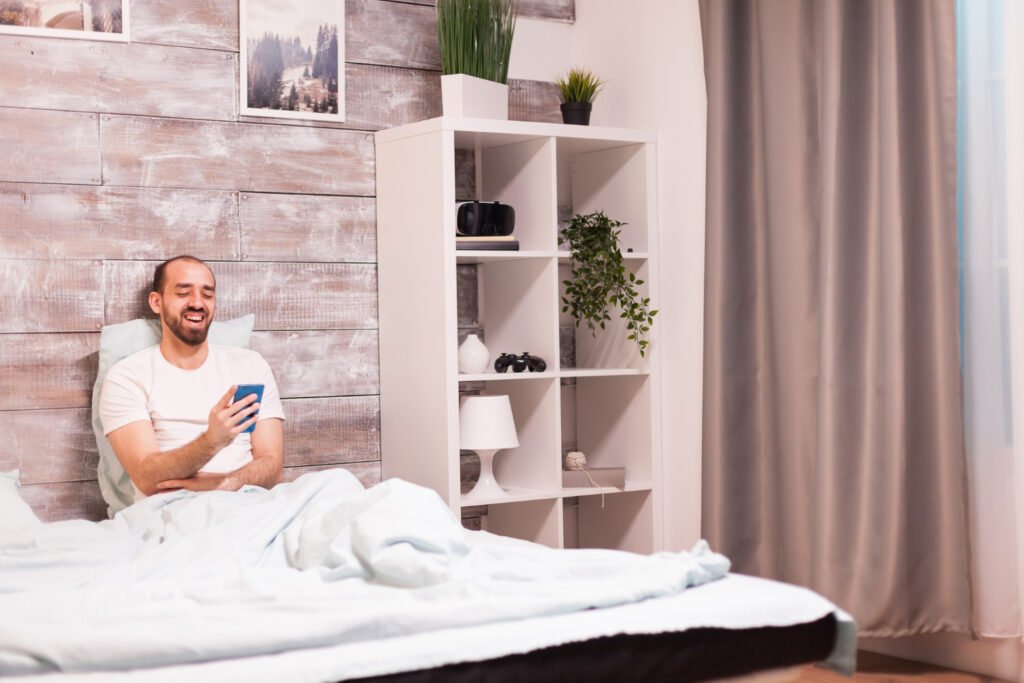
Smart Bedroom Interior Design Ideas
Your bedroom should provide a peaceful environment where you can rest and recharge.
While attractive decorations are important, comfort and practicality should guide most design decisions.
Select Relaxing Colors
Color can influence the atmosphere of a bedroom.
Soft, muted shades often create a calmer visual environment than highly saturated colors.
Popular bedroom combinations include:
- Warm white and beige
- Sage green and cream
- Light gray and natural wood
- Dusty blue and white
- Soft brown and ivory
You can introduce stronger colors through cushions, artwork, blankets, or decorative accessories.
This approach makes future updates easier because you can change small items without repainting the entire room.
Improve Bed Placement
The bed is usually the largest piece of bedroom furniture.
Its position affects both movement and the overall appearance of the space.
Whenever possible, place the headboard against a solid wall and leave sufficient room to move around the bed.
Avoid blocking wardrobes, windows, or frequently used pathways.
Matching bedside tables can create symmetry, but they are not essential.
In smaller bedrooms, floating shelves may provide a more practical alternative.
Keep Decorations Simple
Bedrooms generally benefit from a relatively uncluttered appearance.
Instead of filling every surface with accessories, choose a few meaningful pieces.
A framed photograph, bedside lamp, small plant, or attractive mirror may be enough to complete the space.
Comfortable bedding and suitable window coverings are often more valuable than numerous decorative objects.
Kitchen Interior Design Ideas That Combine Style and Function
The kitchen is one of the most practical areas of a home.
Its design should support cooking, cleaning, food preparation, and storage while maintaining an attractive appearance.
A beautiful kitchen that lacks sufficient counter space or organized storage can quickly become frustrating.
Use Practical Storage Solutions
Organized storage makes everyday kitchen activities easier.
Consider installing:
- Pull-out cabinet organizers
- Drawer dividers
- Wall-mounted utensil holders
- Vertical pantry shelves
- Under-sink storage systems
- Corner cabinet organizers
Keeping frequently used items within easy reach reduces unnecessary movement.
It also helps maintain a cleaner countertop.
Choose Durable Materials
Kitchen surfaces experience regular exposure to moisture, heat, spills, and cleaning products.
Therefore, material selection should prioritize durability and maintenance requirements.
Quartz countertops, ceramic tiles, and properly finished cabinetry are common options, although their suitability depends on the specific installation and budget.
When selecting finishes, consider how easily they can be cleaned and whether they are appropriate for the intended use.
Improve Kitchen Lighting
Good lighting is essential for safe and comfortable food preparation.
A combination of ceiling lights and focused task lighting generally works better than a single overhead fixture.
Under-cabinet lighting can illuminate preparation surfaces, while pendant lights may add character above an island or dining counter.
For the best results, position lights to minimize shadows where food preparation takes place.
Interior Design DrHomey Tips for Small Spaces
Decorating a small home requires thoughtful planning.
Limited floor space does not mean you must sacrifice comfort or personality.
The key is selecting elements that perform more than one function while keeping the room visually organized.
Use multifunctional furniture. A storage ottoman can provide seating, hide household items, and serve as an occasional table.
Take advantage of vertical space. Tall bookshelves and wall-mounted cabinets provide storage without occupying excessive floor area.
Choose appropriately sized furniture. Slim-profile sofas, compact desks, and narrow side tables can improve movement.
Use mirrors strategically. Mirrors reflect light and can make a room feel more open, especially when positioned near a window.
Reduce unnecessary clutter. Keep decorative objects intentional rather than displaying everything at once.
Maintain visual consistency. Repeating a few colors and materials helps create a more cohesive appearance.
These techniques are particularly useful for studio apartments, small bedrooms, and compact living rooms.
How to Choose the Right Interior Color Palette
Choosing colors is one of the most important parts of decorating.
The right palette connects furniture, walls, flooring, and accessories into a cohesive design.
However, choosing colors should not depend entirely on trends.
Consider the amount of natural light, the size of the room, existing furniture, and your personal preferences.
Start With a Base Color
A base color provides consistency throughout the room.
Neutral shades such as cream, beige, gray, and warm white are versatile because they work with many furniture styles.
You can then introduce additional colors through decorative accessories.
For example, a cream-colored living room might include olive-green cushions, wooden tables, and brass lighting fixtures.
Try the 60-30-10 Color Guideline
The 60-30-10 guideline is a useful starting point for creating visual balance.
It suggests dividing the room’s colors approximately as follows:
| Color Proportion | Purpose | Example |
|---|---|---|
| 60% | Dominant background color | Warm white walls |
| 30% | Secondary supporting color | Beige furniture |
| 10% | Accent color | Green cushions and artwork |
These percentages are not strict rules.
They simply provide a practical framework for combining colors without overwhelming the room.
Test Colors Before Painting
Paint can look different depending on lighting conditions.
A shade that appears warm in the morning may look cooler under artificial lighting.
Before painting an entire room, apply samples to different walls and observe them throughout the day.
This small step can prevent expensive decorating mistakes.
The Importance of Lighting in Interior Design
Lighting can dramatically change the appearance of a room.
Even beautiful furniture and carefully selected colors may look disappointing under poorly planned lighting.
A balanced lighting arrangement usually includes three categories.
Ambient Lighting
Ambient lighting provides general illumination.
Examples include ceiling fixtures, recessed lights, and certain wall-mounted lights.
It allows people to move comfortably around a room.
Task Lighting
Task lighting supports specific activities.
Desk lamps, reading lights, kitchen counter lights, and vanity fixtures are common examples.
These lights should illuminate the intended activity without creating uncomfortable glare.
Accent Lighting
Accent lighting highlights decorative features.
It may be used to illuminate artwork, shelving, architectural details, or display cabinets.
Combining all three lighting types creates a more flexible and visually appealing environment.
Where practical, dimmable lighting can also help adjust the atmosphere for different activities.
Budget-Friendly Interior Design DrHomey Ideas
You do not need a large renovation budget to make meaningful improvements.
Many affordable decorating changes can refresh a room while allowing you to keep existing furniture.
Here are several practical ideas worth considering.
Rearrange Existing Furniture
Before purchasing anything new, experiment with your current furniture arrangement.
Moving a sofa, changing the position of a desk, or removing an unnecessary side table can improve the layout.
This approach costs nothing and may solve problems you had not previously noticed.
Refresh Walls With Paint
A fresh coat of paint can make an older room feel cleaner and more inviting.
You might repaint the entire room or create a subtle accent wall.
Choose a shade that complements existing furniture to avoid additional replacement costs.
Update Decorative Accessories
Small accessories can influence the overall appearance of a room.
Affordable options include:
- Cushion covers
- Throw blankets
- Framed prints
- Decorative mirrors
- Indoor plants
- Table lamps
- Curtains
- Storage baskets
Choose items that work with your existing color palette.
Buying fewer, better-coordinated accessories often produces a more polished result than purchasing many unrelated decorations.
Give Old Furniture a New Look
Furniture restoration can be an economical alternative to replacement.
Depending on the material and condition, you may be able to repaint a wooden cabinet, replace drawer handles, or reupholster a chair.
Always use suitable products and preparation methods for the material involved.
Simple improvements can extend the useful life of furniture while reducing unnecessary waste.
Bring Natural Elements Into Your Home
Nature-inspired interior design can make living spaces feel welcoming and visually balanced.
Natural materials introduce textures and colors that complement many decorating styles.
Wood, stone, cotton, linen, and woven fibers are commonly used to create this effect.
Indoor plants are another popular addition.
They introduce greenery and can soften the appearance of rooms dominated by furniture and hard surfaces.
Some indoor plants worth considering include:
- Snake plant
- Pothos
- Spider plant
- ZZ plant
- Peace lily
Choose plants according to the available light and your ability to maintain them.
If you have pets or small children, check plant toxicity before bringing new varieties into the home.
You can also incorporate nature through landscape artwork, botanical prints, and earthy color palettes.
Common Interior Design Mistakes to Avoid
Even carefully planned decorating projects can produce disappointing results when certain details are overlooked.
Understanding common mistakes helps homeowners make better decisions.
Buying furniture without measuring: Furniture that is too large can make rooms uncomfortable and restrict movement.
Ignoring lighting: A room may feel dull or impractical when lighting does not support its activities.
Using too many unrelated colors: Excessive color variation can create a visually confusing environment.
Placing rugs incorrectly: A rug that is too small may make the furniture arrangement feel disconnected.
Overdecorating shelves and tables: Too many accessories can make a room appear cluttered.
Following trends without considering functionality: A fashionable design may not suit your lifestyle or maintenance preferences.
Forgetting storage: Even attractive rooms become difficult to manage when everyday items have no designated place.
The most effective way to avoid these problems is to plan before purchasing.
Measure your space, identify priorities, and make decorating decisions gradually.
How to Plan a Successful Home Interior Makeover
A home makeover becomes easier when you follow a clear process.
You do not need to redesign every room simultaneously.
Instead, focus on improvements that provide the greatest practical benefit.
Step 1: Evaluate Your Current Space
Walk through the room and identify what works and what needs improvement.
Consider furniture placement, lighting, storage, and general comfort.
Take measurements and note any existing features you want to preserve.
Step 2: Set a Realistic Budget
Determine how much you can comfortably spend.
Separate essential improvements from optional decorative purchases.
Allow some flexibility for unexpected expenses, particularly when the project involves repairs or installation work.
Step 3: Choose Your Design Direction
Collect inspiration from interiors that appeal to you.
Look for recurring colors, materials, and furniture styles.
Rather than copying an entire room, identify individual ideas that suit your home.
Step 4: Prioritize Major Elements
Start with the elements that influence the room most strongly.
These might include flooring, wall colors, large furniture, or lighting.
Once the major decisions are complete, choose smaller accessories.
Step 5: Review the Finished Space
After arranging the room, spend time using it before making additional purchases.
You may discover that certain areas need better lighting or that some furniture should be repositioned.
Interior design often improves through small adjustments rather than one dramatic transformation.
Interior Design Trends Worth Exploring
Interior design trends change, but certain ideas remain popular because they combine attractive styling with practical benefits.
One approach is using warm neutral colors rather than relying exclusively on cool white and gray interiors.
Another is incorporating curved furniture, rounded tables, and softer silhouettes.
Textured walls, natural wood finishes, and layered lighting can also add visual interest.
Homeowners are increasingly interested in spaces that support multiple activities.
For example, a guest bedroom may include a compact workstation, while a dining area might double as a place for homework or creative projects.
However, trends should serve as inspiration rather than strict requirements.
A timeless design that supports your daily routine is often a better investment than a fashionable interior that becomes impractical after a few months.
Frequently Asked Questions About Interior Design DrHomey
1. What does interior design DrHomey mean?
Interior design DrHomey is a search phrase associated with home decoration ideas, room styling, furniture arrangements, and practical interior improvements. People exploring the topic can find inspiration for creating comfortable, functional, and attractive living spaces.
2. How can I improve my home interior without spending much money?
Start by rearranging existing furniture, reducing clutter, improving lighting, and updating small decorative items. Painting walls, replacing cushion covers, and adding affordable artwork can also make a noticeable difference without requiring a complete renovation.
3. Which interior design style is best for small homes?
Minimalist, modern, and Scandinavian styles are often suitable for smaller homes. They generally emphasize functional furniture, organized layouts, and relatively simple color palettes. However, any design style can work in a compact space when furniture dimensions and storage are planned carefully.
4. What colors make a living room look bigger?
Light shades such as warm white, cream, pale gray, and soft beige can help a room feel more open by reflecting available light. Consistent wall colors, suitable furniture proportions, and thoughtful lighting can reinforce this effect.
5. How do I make my home look professionally designed?
Begin with a cohesive color palette and appropriately sized furniture. Add layered lighting, use complementary textures, and create a clear focal point. Avoid unnecessary clutter and choose decorative accessories that support the overall design rather than competing for attention.
6. Is it necessary to hire a professional interior designer?
Not every decorating project requires a professional designer. Many homeowners can successfully update furniture arrangements, colors, and accessories themselves. However, professional assistance may be valuable for complex renovations, major layout changes, or projects involving structural, electrical, or plumbing work.
Final Thoughts
Creating a beautiful home does not require expensive furniture, complicated decorating rules, or constant renovations. What matters most is understanding how different design elements work together to improve comfort, appearance, and everyday functionality.
Exploring interior design DrHomey can provide a useful starting point for discovering practical decorating ideas, choosing suitable furniture, improving lighting, and creating balanced color combinations.
Whether you are refreshing a bedroom, organizing a small apartment, or redesigning your living room, begin with simple changes that address your actual needs.
Focus on comfort, maintain a consistent design direction, and introduce decorative details that reflect your personality.
With thoughtful planning and a little creativity, you can transform an ordinary living space into a welcoming home that looks beautiful and feels genuinely yours.
Also Read: How to Design a Garden Layout KdAGardenation: A Complete Guide for Beginners
One thought on “Interior Design DrHomey: Creative Ideas to Transform Your Living Space”