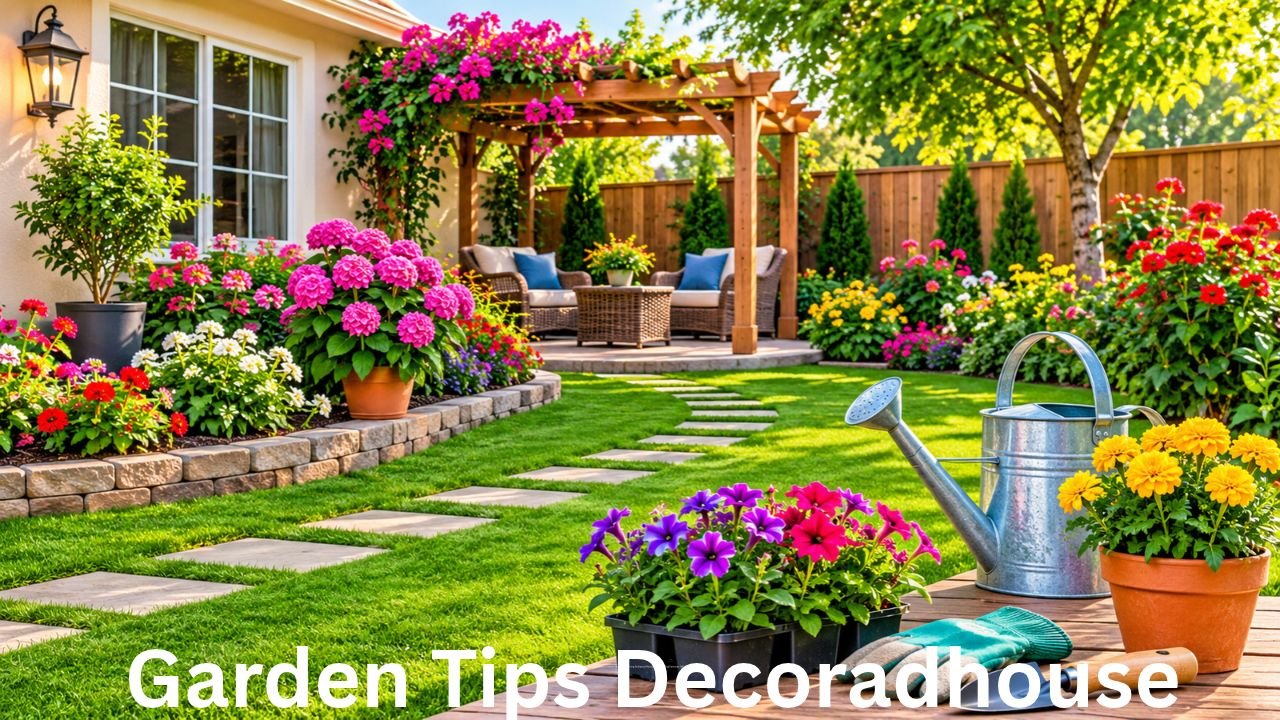
A beautiful garden does not always require a large outdoor space, expensive decorations, or professional landscaping. With the right planning and a little regular care, anyone can create a green, welcoming space that looks attractive throughout the year. Whether you have a small backyard, a spacious lawn, a patio, or a few containers on your balcony, simple gardening techniques can make a noticeable difference.
If you are looking for practical garden tips Decoradhouse, the best approach is to focus on healthy plants, smart garden organization, suitable soil, proper watering, and attractive design choices. Small improvements can help transform an ordinary outdoor area into a relaxing place where you can enjoy nature.
Gardening is also a rewarding activity. It provides an opportunity to spend time outdoors, develop new skills, and create something beautiful with your own hands. However, maintaining a healthy garden requires more than simply planting flowers and watering them occasionally.
In this guide, we will explore practical garden tips, easy maintenance techniques, creative design ideas, and common mistakes to avoid. These suggestions can help beginners and experienced gardeners build an outdoor space that is both attractive and manageable.
1. Start With a Simple Garden Plan
Before purchasing plants or adding decorations, take some time to understand your outdoor space. A basic garden plan can prevent unnecessary expenses and make future maintenance easier.
Start by observing the available area. Notice where sunlight falls, which sections remain shaded, and where rainwater collects after heavy rainfall.
Consider the following factors:
- Available space: Measure the area you want to use for gardening.
- Sunlight: Identify locations that receive full sunlight, partial sunlight, or shade.
- Soil condition: Check whether the soil is sandy, clay-heavy, or relatively loose.
- Water access: Make sure you can easily water your plants.
- Garden purpose: Decide whether you want flowers, vegetables, herbs, or a combination.
A thoughtful plan helps you select plants that naturally suit your environment rather than constantly struggling to maintain unsuitable varieties.
2. Choose Plants That Match Your Climate
One of the most important garden tips is selecting plants that can grow comfortably in your local climate.
Different plants have different temperature, sunlight, and moisture requirements. Some varieties prefer warm conditions, while others grow better in cooler weather.
For warmer climates, gardeners can consider options such as:
- Bougainvillea for colorful outdoor displays.
- Hibiscus for attractive flowers.
- Aloe vera for a relatively low-maintenance option.
- Marigolds for bright seasonal color.
- Basil and mint for useful kitchen herbs.
Before buying a plant, check its growing requirements. A plant that performs beautifully in one region may struggle in another.
It is also helpful to choose a mixture of flowering plants, greenery, and seasonal varieties. This creates visual interest without making the garden look overcrowded.
3. Improve Your Garden Soil Naturally
Healthy soil is the foundation of a successful garden. Even attractive plants may struggle when the soil lacks essential nutrients or has poor drainage.
Start by examining the soil texture. If it feels extremely hard, contains excessive clay, or dries out too quickly, it may need improvement.
Here are some practical ways to improve garden soil:
- Add mature compost to increase organic matter.
- Mix suitable organic material into poor-quality soil.
- Remove stones, plastic, and unwanted debris.
- Avoid compacting the soil by walking over planting beds.
- Check drainage before planting sensitive varieties.
Compost is especially useful because it gradually improves soil structure and supports beneficial organisms.
However, avoid adding excessive fertilizer. Too many nutrients can damage plants or encourage unnecessary leaf growth instead of healthy flowering.
4. Water Plants at the Right Time
Watering is one of the simplest gardening activities, but doing it incorrectly can create problems.
Some plants need consistently moist soil, while others prefer their soil to dry slightly between watering sessions. Therefore, there is no single watering schedule that works for every garden.
Early morning is generally a suitable time to water outdoor plants. Temperatures are usually lower, which allows water to reach the roots before excessive evaporation occurs.
Follow these watering practices:
- Check the soil before watering.
- Water around the base of the plant.
- Avoid unnecessarily soaking leaves.
- Use pots with proper drainage holes.
- Adjust watering according to rainfall and temperature.
During extremely hot weather, container plants may need more frequent attention because their soil dries faster than garden beds.
Remember that overwatering can be just as harmful as underwatering. Yellow leaves, constantly wet soil, and unpleasant smells may indicate drainage or watering problems.
5. Use Mulch to Protect Garden Beds
Mulching is a useful technique that can make garden maintenance easier.
Mulch is a protective layer placed over the soil surface. It can help reduce moisture loss, limit weed growth, and protect plant roots from sudden temperature changes.
Some commonly used mulch materials include:
- Shredded bark
- Dry leaves
- Straw
- Grass clippings that have been properly dried
- Compost
Apply a suitable layer around plants while keeping mulch away from direct contact with stems and tree trunks.
Organic mulch gradually breaks down and contributes organic matter to the soil. This makes it a useful addition to many home gardens.
6. Keep Your Garden Organized and Attractive
A well-organized garden often looks more beautiful than one filled with expensive decorations.
Try creating separate sections for different types of plants. For example, flowering plants can occupy one area, herbs another, and decorative shrubs can be placed along pathways or boundaries.
Consider these simple garden organization ideas:
- Arrange plants according to their mature size.
- Place taller plants toward the back of flower beds.
- Keep pathways clear and accessible.
- Use matching containers for a coordinated appearance.
- Group plants with similar watering requirements.
You can also use vertical gardening techniques if your outdoor space is limited.
Hanging baskets, wall-mounted planters, and plant stands allow you to introduce more greenery without occupying too much ground space.
7. Add Color With Seasonal Flowers
Flowers can completely change the appearance of an outdoor space. They introduce color, attract pollinators, and create a more welcoming atmosphere.
Instead of planting every flower at once, choose varieties that bloom during different seasons.
This approach helps maintain visual interest throughout the year.
| Flower | Common growing preference | Garden benefit |
|---|---|---|
| Marigold | Full sunlight | Bright seasonal color |
| Petunia | Sunlight and well-drained soil | Attractive containers and borders |
| Hibiscus | Warm conditions | Large decorative flowers |
| Zinnia | Full sunlight | Colorful summer displays |
| Pansy | Cooler weather | Seasonal flower beds |
| Bougainvillea | Sunny locations | Colorful climbing displays |
Always check the specific variety’s growing requirements before planting because flowering performance depends on local conditions.
8. Create a Small Vegetable or Herb Garden
You do not need a large backyard to grow useful plants. Even a few containers can provide space for fresh herbs and selected vegetables.
A small kitchen garden can be both practical and attractive.
Some beginner-friendly choices include:
- Mint
- Basil
- Coriander
- Green onions
- Lettuce
- Cherry tomatoes
- Chili peppers
Choose containers with drainage holes and use a suitable growing medium. Place them where they receive the amount of sunlight required by the selected plants.
Herbs are particularly useful because they can grow in relatively small spaces. However, mint spreads quickly, so keeping it in a separate container is often a better choice.
9. Maintain Your Garden With Regular Pruning
Pruning helps plants maintain their shape and removes damaged or unhealthy growth.
It can also improve airflow and encourage healthy development when performed correctly.
Useful pruning practices include:
- Remove dead and damaged branches.
- Cut away wilted flowers when appropriate.
- Remove diseased leaves carefully.
- Trim shrubs according to their natural growth pattern.
- Use clean and sharp gardening tools.
Avoid cutting plants excessively. Different varieties have different pruning requirements, and incorrect timing can reduce flowering or damage new growth.
For larger trees and thick branches, professional assistance may be necessary.
10. Control Weeds Before They Spread
Weeds compete with garden plants for sunlight, nutrients, water, and growing space.
If they are allowed to spread, removing them can become a time-consuming task.
The easiest solution is to inspect your garden regularly and remove unwanted growth while it is still small.
You can control weeds through:
- Hand-pulling when the soil is slightly moist.
- Applying suitable mulch.
- Keeping planting beds organized.
- Removing weeds before they produce seeds.
- Using appropriate garden tools.
Be careful when using weed-control products. Some treatments can damage nearby flowers, vegetables, and beneficial plants.
For most small home gardens, regular manual removal and mulching are practical starting points.
11. Make Your Garden More Eco-Friendly
A healthy garden should support more than its appearance. It can also provide a welcoming environment for butterflies, bees, birds, and other beneficial wildlife.
There are several simple ways to make an outdoor space more environmentally friendly.
Try these ideas:
- Grow flowers that attract pollinators.
- Collect rainwater where practical and permitted.
- Use compost instead of relying entirely on synthetic fertilizers.
- Avoid unnecessary pesticide applications.
- Plant suitable native species.
- Reuse appropriate containers as planters.
Native plants are particularly valuable because they are generally adapted to local environmental conditions. They may also provide food and shelter for local wildlife.

12. Decorate Your Outdoor Space on a Budget
Creating a beautiful garden does not require spending a lot of money.
Simple decorative improvements can make an ordinary outdoor area feel more welcoming.
Here are some affordable ideas:
Use decorative pots: Different container shapes and materials can introduce variety without requiring major landscaping.
Add a garden pathway: Gravel, stepping stones, or suitable pavers can create a neat walking area.
Install outdoor lighting: Solar-powered garden lights can add a pleasant appearance after sunset.
Reuse old containers: Suitable buckets, wooden boxes, and other containers can become creative planters when properly prepared.
Create a relaxing corner: A small bench or comfortable outdoor chair can turn an unused section into a peaceful sitting area.
The key is to maintain balance. Too many decorative objects can make a garden look crowded and distract from the plants themselves.
13. Common Gardening Mistakes to Avoid
Even experienced gardeners sometimes make mistakes that affect plant growth.
Understanding these problems can help you avoid unnecessary damage.
| Common mistake | Why it causes problems | Better approach |
|---|---|---|
| Overwatering | Can cause root damage | Check soil moisture first |
| Planting too closely | Restricts airflow and growth | Follow spacing recommendations |
| Ignoring sunlight needs | Slows plant development | Match plants to available light |
| Using too much fertilizer | May damage roots | Follow product instructions |
| Skipping pruning | Allows damaged growth to remain | Inspect plants regularly |
| Poor drainage | Encourages root problems | Improve soil and container drainage |
The most important lesson is to observe your plants. Changes in leaf color, growth patterns, and soil moisture can help you identify problems before they become serious.
14. Create a Simple Weekly Garden Maintenance Routine
Regular maintenance is easier when you divide tasks throughout the week.
You do not need to spend hours every day working in your garden. A consistent routine can keep things under control.
Here is a simple example:
| Day | Gardening task |
|---|---|
| Monday | Check soil moisture and water if needed |
| Tuesday | Remove weeds from planting beds |
| Wednesday | Inspect leaves for pests or damage |
| Thursday | Clean pathways and organize pots |
| Friday | Remove dead flowers and damaged leaves |
| Saturday | Add compost or mulch when needed |
| Sunday | Review plant growth and plan improvements |
This is only a suggested routine. Adjust it according to your plants, weather, and garden size.
Some tasks, particularly watering, may need attention more frequently during hot or dry periods.
Frequently Asked Questions (FAQs)
1. What are the best garden tips for beginners?
Beginners should start with easy-to-grow plants, prepare healthy soil, understand sunlight requirements, and develop a consistent watering routine. Starting with a small garden also makes maintenance easier while learning basic gardening skills.
2. How can I make my garden look beautiful on a budget?
You can improve your garden with affordable flower pots, reused containers, simple pathways, seasonal flowers, and homemade compost. Keeping plants organized and removing weeds regularly can also make a noticeable difference without requiring expensive decorations.
3. How often should I water my garden?
Watering frequency depends on plant type, soil conditions, temperature, and rainfall. Check the soil before watering instead of following a fixed daily schedule. Many plants benefit from watering when the upper soil layer begins to dry.
4. Which plants are easiest to grow at home?
Mint, basil, marigolds, aloe vera, and some varieties of zinnias are popular choices for home gardeners. However, their success depends on suitable sunlight, soil, drainage, and climate conditions.
5. How can I keep weeds out of my garden naturally?
Regular hand-pulling, applying organic mulch, and removing weeds before they produce seeds are effective approaches. Keeping planting beds covered and organized also reduces opportunities for unwanted plants to spread.
6. How do I maintain a healthy garden throughout the year?
Inspect plants regularly, adjust watering according to weather conditions, remove damaged growth, improve soil when necessary, and choose seasonal plants suitable for your climate. Consistent care is more effective than occasional major maintenance.
Final Thoughts
Building a beautiful garden is a gradual process that becomes easier with experience. You do not need professional landscaping skills or expensive equipment to create an outdoor space that feels fresh, colorful, and inviting.
The most useful garden tips Decoradhouse focus on understanding your plants, improving soil quality, watering correctly, controlling weeds, and maintaining an organized layout. Small improvements, such as adding mulch, introducing seasonal flowers, or creating a simple vegetable garden, can make a meaningful difference.
Start with a few manageable projects and give your plants enough time to grow. Pay attention to their changing needs and adjust your gardening routine as the seasons change.
With patience, creativity, and regular care, your garden can become a beautiful part of your home that you enjoy throughout the year.
Also Read: Patio Decoration Decoradhouse: Creative Ideas to Transform Your Outdoor Space

One thought on “Garden Tips Decoradhouse: Simple Ways to Create a Beautiful and Healthy Garden”