Introduction
A beautiful garden can completely change the appearance and atmosphere of a home. It provides a peaceful place to relax, enjoy nature, spend time with family, and appreciate the beauty of outdoor spaces. Whether you have a large backyard, a small patio, or just a few available corners, the right planning can help you create something special.
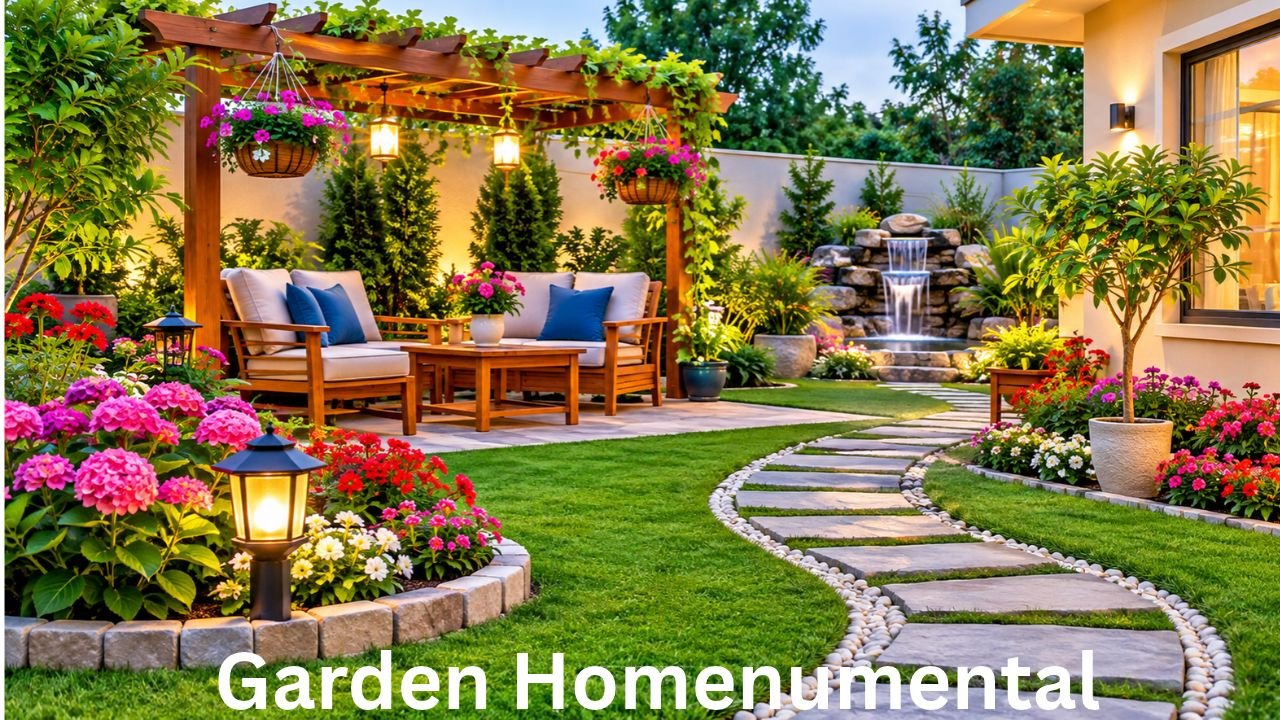
The idea behind Garden Homenumental is to make outdoor spaces more attractive, comfortable, and functional. It combines thoughtful garden design, suitable plant selection, creative decorations, and practical maintenance techniques. Instead of simply filling an outdoor area with plants, this approach focuses on creating a garden that reflects your personal style while remaining enjoyable throughout the year.
You do not need expensive materials or professional landscaping services to achieve impressive results. With a little creativity and consistent care, even an ordinary outdoor area can become a welcoming green space.
What Is Garden Homenumental?
Garden Homenumental represents a thoughtful approach to creating meaningful and visually appealing garden spaces. It focuses on combining natural beauty with practical outdoor living.
A well-designed garden should look attractive while serving a purpose. Some homeowners want a colorful flower garden, while others prefer growing fresh vegetables, creating relaxing seating areas, or designing an outdoor space for family activities.
The main elements of this gardening concept include:
- Natural beauty: Using flowers, trees, shrubs, and greenery to improve the outdoor environment.
- Creative design: Arranging plants and decorations in a balanced and attractive way.
- Practical functionality: Making the garden comfortable and easy to use.
- Sustainable gardening: Choosing suitable plants and reducing unnecessary water and chemical use.
- Personal expression: Creating an outdoor space that reflects individual preferences.
The goal is to build a garden that looks beautiful without becoming difficult or expensive to maintain.
Start With a Clear Garden Design Plan
Before purchasing plants or decorating your outdoor space, spend some time planning the layout. A clear design helps prevent unnecessary expenses and makes it easier to organize different garden features.
Start by measuring the available area. Identify sunny and shaded locations, existing trees, pathways, walls, and other permanent structures.
Next, decide how you want to use the garden. You might want to create:
- A relaxing seating area.
- A colorful flower garden.
- A small vegetable-growing section.
- A decorative pathway.
- A family-friendly outdoor space.
- A combination of different garden zones.
Drawing a simple layout on paper can help you visualize the final result. You do not need professional design software. A basic sketch showing where plants, furniture, and pathways will go is often enough.
Choose Plants That Suit Your Environment
Plant selection is one of the most important parts of successful garden design. Beautiful plants will only remain attractive if they receive the right growing conditions.
Before choosing flowers, shrubs, or trees, consider the following factors:
Sunlight Requirements
Different plants require different amounts of sunlight. Some flowering plants perform best in direct sunlight, while others grow better in partially shaded locations.
Observe your garden throughout the day to understand how much sunlight each area receives.
Soil Conditions
Healthy soil supports strong roots and better plant development. Some gardens have sandy soil that drains quickly, while others contain heavier clay soil that holds more moisture.
Adding suitable compost and organic matter can improve soil structure and support healthier plant growth.
Climate Compatibility
Choose plants that can tolerate the temperatures and weather conditions in your region. Local plants are often useful choices because they are adapted to the surrounding environment.
Water Requirements
Avoid placing plants with very different watering needs in the same garden bed. Grouping plants according to their water requirements makes maintenance easier.
Create a Colorful and Attractive Flower Garden
Flowers bring color, texture, and personality to outdoor spaces. A carefully arranged flower garden can become the most attractive feature of your property.
Rather than planting flowers randomly, think about how different colors and heights will work together.
Some popular choices include:
- Marigolds for bright seasonal color.
- Sunflowers for height and visual impact.
- Petunias for colorful flower beds and containers.
- Zinnias for attractive summer displays.
- Lavender for fragrance and pollinator interest.
- Roses for a classic garden appearance.
Try combining flowers with different blooming periods. This helps maintain visual interest across different parts of the growing season.
You can also arrange taller plants toward the back of flower beds and shorter varieties near the front. This simple technique makes the garden look more organized.
Make the Most of Small Garden Spaces
A limited outdoor area does not mean you cannot create an impressive garden. Small gardens can look beautiful when every section has a clear purpose.
Vertical gardening is one of the most useful solutions for compact spaces. Instead of spreading plants across the ground, use vertical structures to grow them upward.
Consider these ideas:
- Install wall-mounted planters.
- Use hanging baskets for flowers.
- Place herbs in attractive containers.
- Add narrow raised beds along walls.
- Use climbing plants on suitable trellises.
- Choose compact furniture that does not overcrowd the space.
Container gardening is another practical option. Pots can be moved whenever necessary, making it easier to adjust plants according to sunlight and seasonal conditions.
Add Beautiful Garden Paths and Walkways
Garden pathways improve both appearance and functionality. They create clear walking routes and connect different areas of the outdoor space.
The material you choose should complement your home’s exterior and overall garden style.
Popular pathway materials include:
| Pathway Material | Main Advantage | Suitable Garden Style |
|---|---|---|
| Natural stone | Attractive and durable appearance | Traditional and natural |
| Gravel | Affordable and easy to install | Rustic and casual |
| Brick | Classic and organized look | Traditional |
| Concrete pavers | Flexible design options | Modern |
| Stepping stones | Simple and decorative | Small and informal |
A pathway does not need to cover the entire garden. A short walkway leading toward a seating area or flower bed can create an attractive focal point.
Keep pathways wide enough for comfortable movement and avoid placing plants where they obstruct walking.
Design a Comfortable Outdoor Seating Area
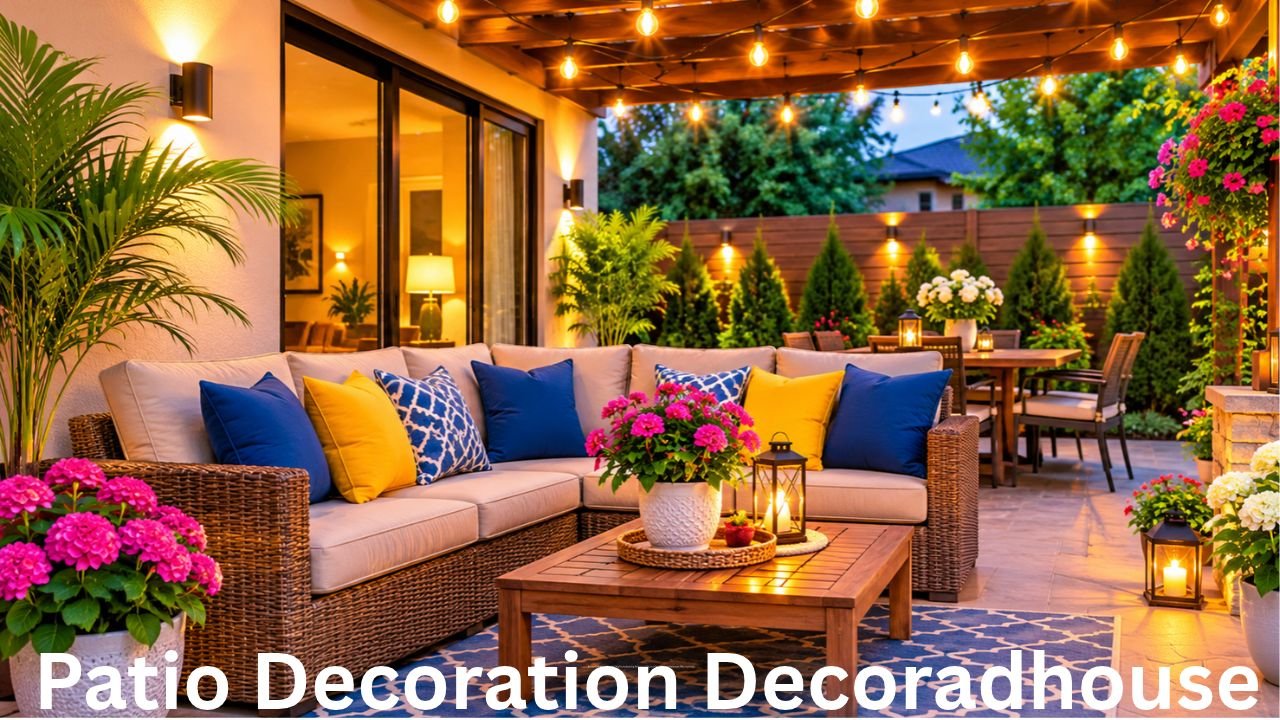
A garden becomes more enjoyable when it includes a comfortable place to sit. An outdoor seating area gives you somewhere to relax, read, enjoy morning tea, or spend time with guests.
You can create a simple seating space using weather-resistant chairs, a small table, and a few decorative planters.
For additional comfort, consider:
- Installing a pergola or shade umbrella.
- Adding outdoor cushions.
- Placing potted plants around the seating area.
- Using soft outdoor lighting.
- Choosing furniture that matches the garden’s design.
If space is limited, a simple wooden bench can be enough. Position it where you can enjoy an attractive garden view instead of facing an empty wall.
Improve Your Garden With Decorative Features
Decorative elements help give a garden its own personality. However, adding too many decorations can make the area look crowded.
Choose a few features that complement the surrounding plants.
Some useful garden decoration ideas include:
- Decorative ceramic pots.
- Small garden fountains.
- Wooden trellises.
- Outdoor sculptures.
- Bird baths.
- Solar-powered pathway lights.
- Natural stone borders.
Water features can create a relaxing atmosphere, while outdoor lighting makes pathways and seating areas more inviting after sunset.
Remember that decorations should support the garden’s overall appearance rather than compete with its natural beauty.
Maintain Healthy Soil for Better Plant Growth
Healthy soil is the foundation of a successful garden. It provides plants with essential nutrients, supports root development, and helps regulate moisture.
Regularly improving soil quality can make a noticeable difference in plant health.
Here are some practical ways to maintain healthy garden soil:
- Add mature compost to improve soil structure.
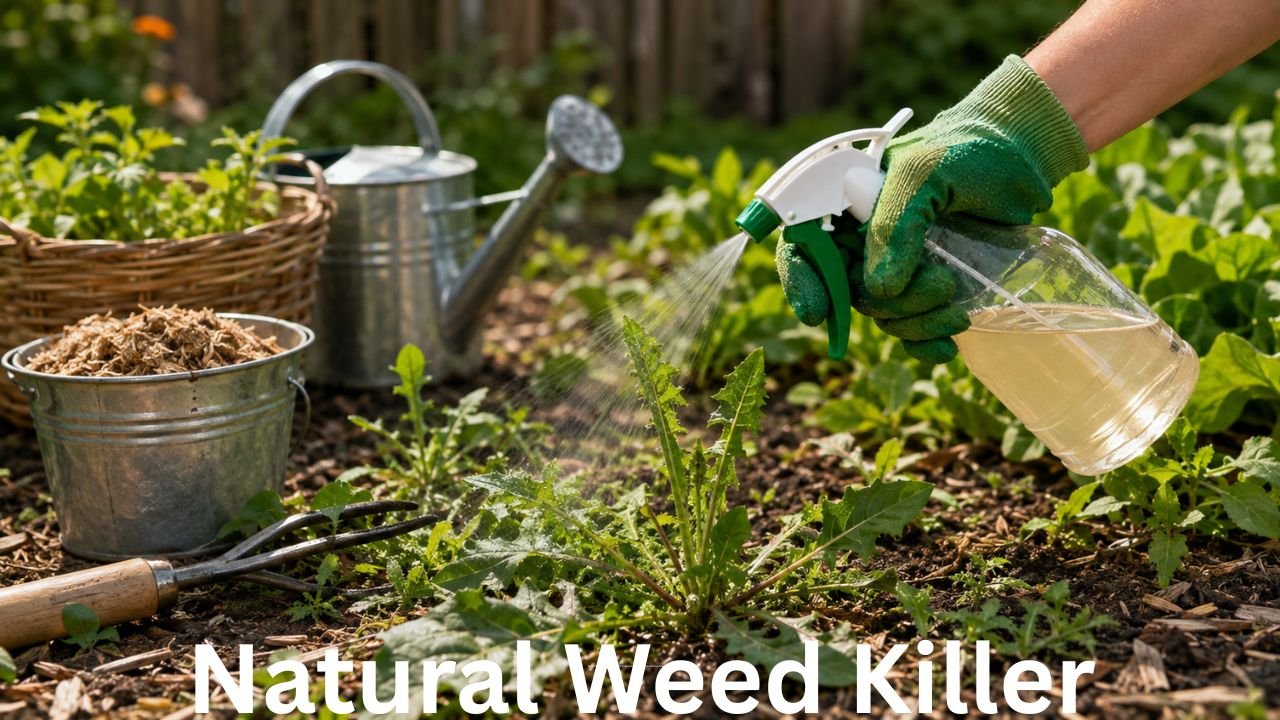
- Remove weeds before they compete with garden plants.
- Use organic mulch to help retain moisture.
- Avoid excessive fertilizer applications.
- Check soil drainage before planting.
- Test soil pH when plants show unexplained growth problems.
Compost made from suitable kitchen scraps, dry leaves, and other organic materials can become a valuable addition to garden beds.
Avoid using diseased plant material or unsuitable waste in your compost pile.
Follow Smart Watering Practices
Watering is essential, but giving plants too much water can create problems. Excess moisture may reduce oxygen around roots and increase the risk of root diseases.
The best watering schedule depends on plant type, soil conditions, container size, and weather.
Consider these useful practices:
- Check soil moisture before watering.
- Water near the base of plants.
- Prefer early morning watering when practical.
- Avoid unnecessary watering during rainy periods.
- Use mulch to reduce moisture loss.
- Check container drainage regularly.
Drip irrigation can also be useful for larger gardens. It delivers water closer to plant roots and can reduce water waste compared with less targeted watering methods.

Make Your Garden More Eco-Friendly
Sustainable gardening helps create a healthier outdoor environment while reducing unnecessary resource use.
You do not need to change everything at once. Small improvements can make your garden more environmentally responsible.
Try the following ideas:
Grow suitable native plants: Plants adapted to local conditions can support local wildlife and may require less additional care.
Create a compost area: Recycle suitable organic waste instead of sending everything to the trash.
Collect rainwater: Where permitted and practical, rainwater collection can provide an additional water source for gardening.
Support pollinators: Grow flowers that provide nectar and pollen for bees, butterflies, and other beneficial insects.
Reduce chemical use: Use preventive gardening practices and choose appropriate pest-control methods before relying on unnecessary chemical treatments.
These changes can help create a garden that supports both your home and the surrounding environment.
Common Garden Maintenance Mistakes to Avoid
Even a beautifully designed garden can struggle when basic maintenance is neglected.
Fortunately, many common gardening problems are preventable.
Here are some mistakes to watch out for:
- Overwatering: Too much water can damage roots and encourage fungal problems.
- Ignoring sunlight: Plants placed in unsuitable lighting conditions may grow poorly.
- Overcrowding: Closely planted flowers and shrubs can compete for nutrients and airflow.
- Using unsuitable soil: Poor soil conditions can affect plant development.
- Ignoring weeds: Weeds compete with desirable plants for water, nutrients, and space.
- Excessive fertilizing: More fertilizer does not automatically produce healthier plants.
- Neglecting pruning: Dead or damaged growth can affect plant appearance and health.
Regular observation is one of the easiest ways to identify problems before they become serious.
Simple Seasonal Garden Care Guide
Gardens need different types of attention throughout the year. Creating a seasonal routine makes maintenance more manageable.
| Season | Important Gardening Tasks |
|---|---|
| Spring | Prepare beds, add compost, plant suitable flowers, and check irrigation |
| Summer | Monitor soil moisture, control weeds, and inspect plants for pests |
| Autumn | Remove dead growth, collect leaves, and improve garden soil |
| Winter | Protect sensitive plants, clean tools, and plan future improvements |
Adjust these activities according to your local climate rather than following a fixed calendar. Some regions have mild winters, while others experience extreme heat or cold.
How to Create a Beautiful Garden on a Budget
Creating an attractive outdoor space does not always require a large investment. Smart decisions and gradual improvements can produce excellent results without unnecessary spending.
Start with the features that make the biggest difference.
For example, improving soil, removing weeds, and organizing existing plants can immediately make a garden look cleaner.
Other budget-friendly ideas include:
- Reuse suitable containers as plant pots.
- Grow selected plants from seeds.
- Exchange plants with friends and neighbors.
- Make compost from appropriate organic materials.
- Use gravel for simple pathways.
- Propagate suitable plants from cuttings.
- Improve one garden section at a time.
Avoid purchasing too many plants before understanding how much space they need when fully grown.
A carefully planned garden can look more attractive than an expensive outdoor space filled with unrelated decorations.
Frequently Asked Questions (FAQs)
1. What Does Garden Homenumental Mean?
Garden Homenumental describes an approach to creating attractive, functional, and meaningful outdoor spaces. It focuses on garden planning, plant selection, landscaping, decorations, and regular maintenance.
2. How Can I Start a Garden at Home?
Begin by selecting a suitable location and checking sunlight, soil quality, and drainage. Decide what you want to grow, prepare the soil, and start with a manageable number of plants. Expand your garden as you gain experience.
3. Which Plants Are Best for a Beautiful Home Garden?
Marigolds, petunias, sunflowers, lavender, and roses are popular choices for decorative gardens. The best options depend on your local climate, available sunlight, soil conditions, and maintenance preferences.
4. How Can I Make a Small Garden Look Bigger?
Use vertical planters, narrow pathways, compact furniture, and plants of different heights. Keeping the layout organized and avoiding unnecessary decorations can also make a small garden feel more spacious.
5. How Often Should I Water My Garden?
There is no single watering schedule suitable for every garden. Check soil moisture, plant requirements, and weather conditions before watering. Most plants benefit from consistent moisture without waterlogged soil.
6. How Can I Maintain a Garden With Less Effort?
Choose plants suited to your climate, apply mulch, group plants according to their watering requirements, and remove weeds regularly. Drip irrigation and perennial plants can also reduce routine maintenance.
Final Thoughts
Creating a beautiful garden is about more than planting flowers or adding decorative objects. It involves thoughtful planning, suitable plant selection, healthy soil, and consistent maintenance.
The Garden Homenumental approach encourages homeowners to make the most of their available outdoor spaces, regardless of size or budget. From colorful flower beds and practical vegetable gardens to relaxing seating areas and attractive pathways, every detail can contribute to a more enjoyable environment.
Start with a simple plan, choose plants that suit your surroundings, and make improvements gradually. With patience and creativity, you can transform an ordinary outdoor area into a beautiful garden that brings lasting enjoyment to your home.
Also Read: Home Exterior Hacks DecoradHouse: Simple Ways to Transform Your Home’s Outside Look
One thought on “Garden Homenumental: A Complete Guide to Creating a Beautiful and Peaceful Outdoor Space”