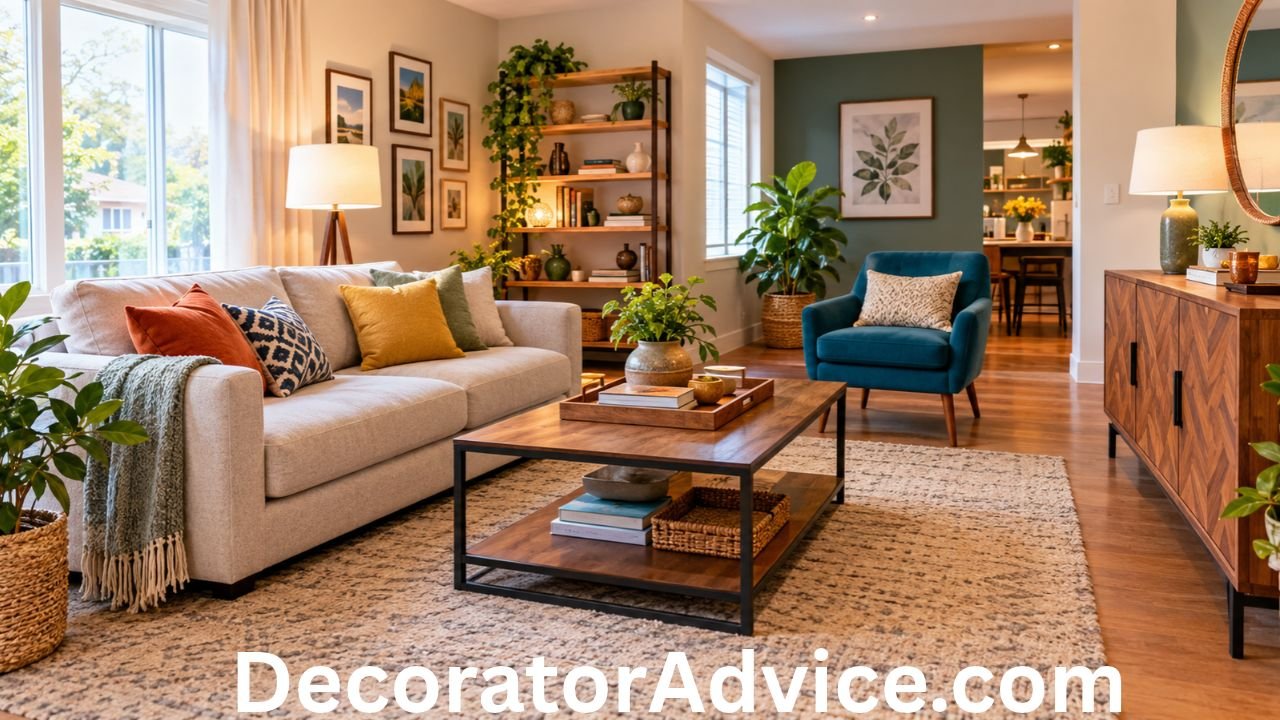
Creating a beautiful home doesn’t always require expensive furniture, professional designers, or a complete renovation. Sometimes, a few thoughtful changes can make an ordinary room feel more comfortable, attractive, and welcoming.
Whether you’re decorating your first apartment, updating your living room, or looking for affordable ways to refresh your home, finding practical design inspiration can make the process much easier.
That’s where searches for decoratoradvice.com come into the picture. People exploring home decoration resources often want creative ideas, helpful design guidance, and simple improvements they can apply to their own spaces.
From choosing the right color combinations to arranging furniture and improving lighting, understanding a few basic decorating principles can help you create a home that reflects your personality.
This guide explores the types of decorating ideas readers may be looking for when searching for decoratoradvice.com, along with practical tips for improving different areas of the home.
What Is DecoratorAdvice.com?
DecoratorAdvice.com is a website name associated with the home decorating and interior design niche.
People searching for this term may be interested in home styling inspiration, furniture arrangements, room makeovers, color combinations, or practical decorating advice.
Rather than focusing only on expensive design trends, homeowners can benefit from decorating guidance that considers everyday needs, available space, and personal preferences.
Useful home decorating resources generally cover topics such as:
- Interior decorating ideas for different rooms
- Furniture selection and arrangement
- Wall colors and decorative finishes
- Budget-friendly home improvements
- Lighting and room accessories
- Small-space decorating solutions
- Seasonal decorating inspiration
- Modern and traditional design styles
Understanding these topics can help homeowners make better decorating decisions without feeling overwhelmed by countless design choices.
Why Home Decorating Advice Matters
A well-decorated home is about more than appearances. Good interior design can also improve comfort, organization, and the way a space functions.
For example, a living room with poorly arranged furniture may feel crowded even when it contains only a few items. Similarly, a bedroom with inadequate lighting can appear smaller and less inviting.
Thoughtful decorating helps address these everyday problems.
Creating a Comfortable Living Environment
Comfort should be one of the first considerations when decorating any room.
Soft furnishings, suitable lighting, practical furniture, and balanced colors can make a space more enjoyable.
A comfortable home should support your daily routine rather than simply look attractive in photographs.
Making Better Use of Available Space
Not every home has large rooms or open floor plans.
Smart furniture placement, vertical storage, and multifunctional pieces can make smaller spaces feel more organized.
For example, a storage ottoman can provide seating while keeping blankets, magazines, and other items out of sight.
Expressing Personal Style
Your home should reflect your preferences.
Some people enjoy minimalist interiors with neutral colors and simple furniture. Others prefer colorful rooms filled with artwork, patterns, and decorative accessories.
Neither approach is automatically better.
The goal is to create a space that feels natural and comfortable for the people living there.
Popular Home Decor Styles to Explore
One of the most useful steps in decorating a home is choosing a general design direction.
You don’t need to follow a single style perfectly, but understanding common decorating approaches can make furniture and color decisions easier.
| Decorating Style | Main Features | Best Suited For |
|---|---|---|
| Modern | Clean lines, simple furniture, neutral colors | Contemporary homes and apartments |
| Minimalist | Limited accessories, uncluttered spaces, functional furniture | Small homes and organized interiors |
| Traditional | Classic furniture, warm colors, decorative details | Timeless and elegant interiors |
| Scandinavian | Natural materials, light colors, practical furnishings | Bright and comfortable living spaces |
| Farmhouse | Wood textures, rustic accents, relaxed furnishings | Cozy and welcoming homes |
| Bohemian | Layered textiles, plants, patterns, mixed colors | Creative and personalized interiors |
| Industrial | Metal accents, exposed materials, darker finishes | Lofts and urban-style apartments |
These styles can also be combined.
For example, a modern living room can include farmhouse-inspired wooden furniture or Scandinavian-style lighting.
The important thing is maintaining enough consistency that the room feels intentional rather than randomly decorated.
Living Room Decorating Ideas for a Stylish Home
The living room is often one of the busiest areas of a house. It’s where families relax, guests gather, and everyday activities take place.
Because of this, decorating should balance appearance with functionality.
Choose a Practical Furniture Layout
Start by identifying the room’s main purpose.
If the living room is primarily used for watching television, arrange seating around a comfortable viewing area.
If entertaining guests is more important, consider placing chairs and sofas in a conversational arrangement.
Avoid pushing every piece of furniture against the walls automatically. In larger rooms, bringing seating closer together can create a more welcoming atmosphere.
Use Decorative Pillows and Throws
Pillows and blankets are among the easiest ways to refresh a living room.
You can experiment with different textures, patterns, and seasonal colors without replacing major furniture pieces.
For example, a neutral sofa can look completely different when paired with earthy green cushions, cream-colored throws, and textured fabrics.
Add a Focal Point
A focal point gives the room a clear visual center.
Popular options include:
- A large piece of artwork
- A decorative fireplace
- An accent wall
- A statement mirror
- A distinctive coffee table
- A carefully arranged bookshelf
Choose one main feature rather than making every decorative item compete for attention.
Bedroom Decorating Tips for Better Comfort
A bedroom should feel peaceful, organized, and relaxing.
While attractive furniture and accessories matter, comfort is especially important in this space.
Start with the bed because it usually occupies the largest portion of the room.
Choose bedding that complements the wall colors and overall decorating style.
Soft neutral tones such as beige, cream, pale gray, and muted green can create a calm atmosphere. However, deeper colors can also work beautifully when balanced with suitable lighting.
Consider these simple improvements:
- Use bedside lamps for softer evening lighting.
- Choose curtains that provide appropriate privacy and light control.
- Keep frequently used items within easy reach.
- Add a comfortable rug beside the bed.
- Avoid overcrowding bedside tables with decorations.
- Use storage baskets or drawers to reduce visible clutter.
A bedroom doesn’t need dozens of accessories to feel complete.
Sometimes, quality bedding, a suitable lamp, and one attractive piece of artwork are enough.
Kitchen Decorating Ideas Without Major Renovations
Kitchen renovations can become expensive, particularly when cabinets, countertops, and appliances need replacing.
Fortunately, several smaller decorating changes can improve the appearance of a kitchen without requiring a complete remodel.
Update cabinet hardware: Replacing old handles and knobs can give existing cabinets a cleaner, more modern appearance.
Improve lighting: Under-cabinet lighting can brighten work surfaces and create a more inviting atmosphere.
Introduce natural elements: Small potted herbs, wooden cutting boards, and woven baskets can add warmth.
Organize countertops: Keeping unnecessary items out of sight helps the kitchen appear more spacious.
Refresh the backsplash: Depending on the existing surface, suitable backsplash materials can provide a noticeable visual update.
Before making changes, consider how frequently you cook and which areas need to remain easy to clean.
Decorative choices should never interfere with kitchen safety or everyday functionality.
Budget-Friendly Home Decorating Ideas
One of the biggest misconceptions about interior decorating is that meaningful improvements require a large budget.
In reality, small changes can have a noticeable impact when they’re planned carefully.
Here are several affordable approaches worth considering.
Rearrange Existing Furniture
Before buying anything new, experiment with the furniture you already own.
Moving a chair, changing the position of a side table, or creating a different seating arrangement can change how a room feels.
You may discover that the space works better without purchasing additional items.
Refresh Walls With Paint
Painting is often a relatively affordable way to transform a room.
Light colors can help a space feel airy, while darker shades can create a cozy or dramatic atmosphere.
Test paint samples under different lighting conditions before choosing a final color.
A shade that looks perfect in daylight may appear noticeably different under warm artificial lighting.
Decorate With Secondhand Finds
Secondhand furniture and decorative accessories can provide character at a lower cost.
Look for sturdy tables, wooden shelves, picture frames, and mirrors that can be cleaned, repaired, or refinished.
Always inspect used furniture for structural damage, pests, and other potential problems before bringing it home.
Use Plants as Natural Decorations
Indoor plants can introduce color, texture, and a sense of freshness.
Popular options include pothos, snake plants, and spider plants.
However, plant selection should depend on available light, watering requirements, and household safety.
If you have pets, check whether a particular plant is toxic before placing it indoors.

How to Choose the Right Color Scheme
Color is one of the most influential elements of interior decorating.
The right combination can make a room feel calm, energetic, warm, or sophisticated.
Start by considering the room’s purpose.
For example, bedrooms often benefit from relaxing colors, while dining rooms and creative spaces may accommodate stronger contrasts.
A simple approach is to choose three main color roles:
- Primary color: The dominant shade used on walls or large furniture.
- Secondary color: A complementary shade used in curtains, rugs, or smaller furniture.
- Accent color: A stronger or contrasting shade used in pillows, artwork, and accessories.
Some decorators use the 60-30-10 guideline, which suggests approximately 60% dominant color, 30% secondary color, and 10% accent color.
This isn’t a strict requirement, but it can provide a helpful starting point.
Remember that natural lighting, flooring, and furniture materials also influence how colors appear together.
Smart Lighting Ideas That Improve Interior Design
Lighting is frequently overlooked during home decorating projects.
Even a beautifully furnished room can feel uncomfortable if the lighting is too harsh or insufficient.
A balanced lighting plan usually includes three types.
Ambient lighting provides general illumination throughout the room. Ceiling fixtures and recessed lights are common examples.
Task lighting supports specific activities such as reading, cooking, or working. Desk lamps and under-cabinet fixtures are useful options.
Accent lighting highlights artwork, architectural features, or decorative displays.
Combining these layers gives you greater control over the room’s atmosphere.
For living rooms and bedrooms, warm lighting often creates a comfortable environment.
Kitchens, bathrooms, and workspaces may benefit from brighter task lighting.
When installing new electrical fixtures, follow local safety requirements and hire a qualified electrician when necessary.
Small-Space Decorating Solutions
Decorating a small apartment or compact home requires careful planning.
The objective isn’t simply to fit more furniture into the available space. It’s to make the room comfortable while preserving movement and functionality.
Consider the following strategies:
- Choose furniture with built-in storage.
- Use wall-mounted shelves to free up floor space.
- Select appropriately sized sofas and tables.
- Hang mirrors where they can reflect natural light.
- Use curtains that complement the wall color.
- Keep walkways clear.
- Avoid unnecessary oversized accessories.
Furniture proportions are especially important.
A large sectional sofa might look attractive in a showroom but overwhelm a small living room.
Measure the available space before purchasing furniture, and remember to account for doors, drawers, and walking areas.
Common Home Decorating Mistakes to Avoid
Even small decorating decisions can affect how a room looks and functions.
Being aware of common mistakes can save money and prevent unnecessary changes.
Buying furniture without measuring: Always check dimensions before making major purchases.
Ignoring lighting: A room needs suitable lighting for both appearance and daily activities.
Using too many competing colors: Excessive color combinations can make a space feel visually busy.
Choosing appearance over comfort: Attractive furniture isn’t always practical for everyday use.
Overcrowding rooms: Too many accessories can make even a large room feel cluttered.
Following every trend: Popular decorating styles change, but your home should remain comfortable and functional.
Instead of decorating an entire house at once, consider completing one room at a time.
This allows you to evaluate the results before investing in additional furniture or accessories.
How to Find Useful Decorating Inspiration Online
When exploring decorating resources, including searches related to decoratoradvice.com, it’s helpful to focus on advice that matches your actual needs.
A beautiful room photograph may provide inspiration, but it doesn’t always explain how to achieve a similar result.
Look for guidance that includes practical details such as room measurements, furniture dimensions, material recommendations, and realistic budgets.
Before following any decorating suggestion, ask yourself:
- Does this idea suit my room size?
- Can I maintain the materials and finishes?
- Will the design work with my existing furniture?
- Is the project affordable?
- Does the change improve comfort or functionality?
- Can I complete the project safely?
These questions help separate useful decorating advice from ideas that may look attractive but aren’t practical for your home.
It’s also worth comparing several approaches before making expensive decisions.
A thoughtful decorating plan usually produces better results than purchasing items impulsively.
Creating a Personalized Home Decorating Plan
If you’re unsure where to begin, developing a simple decorating plan can make the process more manageable.
Start by selecting one room that needs improvement.
Identify what currently works and what causes frustration.
For example, you might like your living room furniture but dislike the lighting and lack of storage.
Next, decide which changes would make the biggest difference.
You could prioritize better lighting, add a storage cabinet, and introduce a coordinated color scheme.
Set a realistic budget and divide purchases into essential and optional categories.
Finally, complete improvements gradually.
This approach allows you to create a consistent design while avoiding unnecessary spending.
Remember that decorating is an ongoing process. Your preferences and household needs may change over time.
A flexible design makes future updates easier.
Frequently Asked Questions (FAQs)
1. What is decoratoradvice.com?
DecoratorAdvice.com is a domain name associated with the home decoration and interior design niche. People searching for it may be looking for decorating inspiration, room styling ideas, and practical home improvement guidance. Specific website features and content should be checked directly on the site.
2. How can I decorate my home on a small budget?
Start by rearranging existing furniture, reducing clutter, and updating small accessories. Affordable improvements such as fresh paint, decorative pillows, secondhand furniture, and better lighting can refresh a room without requiring major renovations.
3. What is the most important rule of interior decorating?
There isn’t one universal rule, but balancing comfort, functionality, and visual appeal is essential. Furniture should fit the room, colors should work together, and the space should support everyday activities.
4. Which home decorating style is best for small spaces?
Minimalist, Scandinavian, and modern decorating styles often work well in smaller homes because they emphasize practical furniture, uncluttered layouts, and thoughtful use of space. However, any style can work when furniture proportions and storage are planned carefully.
5. How often should I update my home decor?
There’s no fixed schedule. Small seasonal updates can keep a room feeling fresh, while larger changes may only be necessary when furniture wears out, your preferences change, or the space no longer meets your needs.
Final Thoughts
Creating a beautiful home is less about following expensive trends and more about making thoughtful decisions that improve everyday living.
Whether you’re exploring decoratoradvice.com or searching for general interior design inspiration, the most useful decorating ideas are those that combine appearance, comfort, and practicality.
Start with manageable improvements such as better lighting, coordinated colors, furniture rearrangement, and simple decorative accessories.
As you gain confidence, you can experiment with different styles and more personalized design choices.
Ultimately, a well-decorated home should reflect your personality, fit your lifestyle, and remain comfortable for years to come.
Also Read: Interior Design DrHomey: Creative Ideas to Transform Your Living Space
One thought on “DecoratorAdvice.com: Home Decor Ideas, Interior Design Tips, and Inspiration”