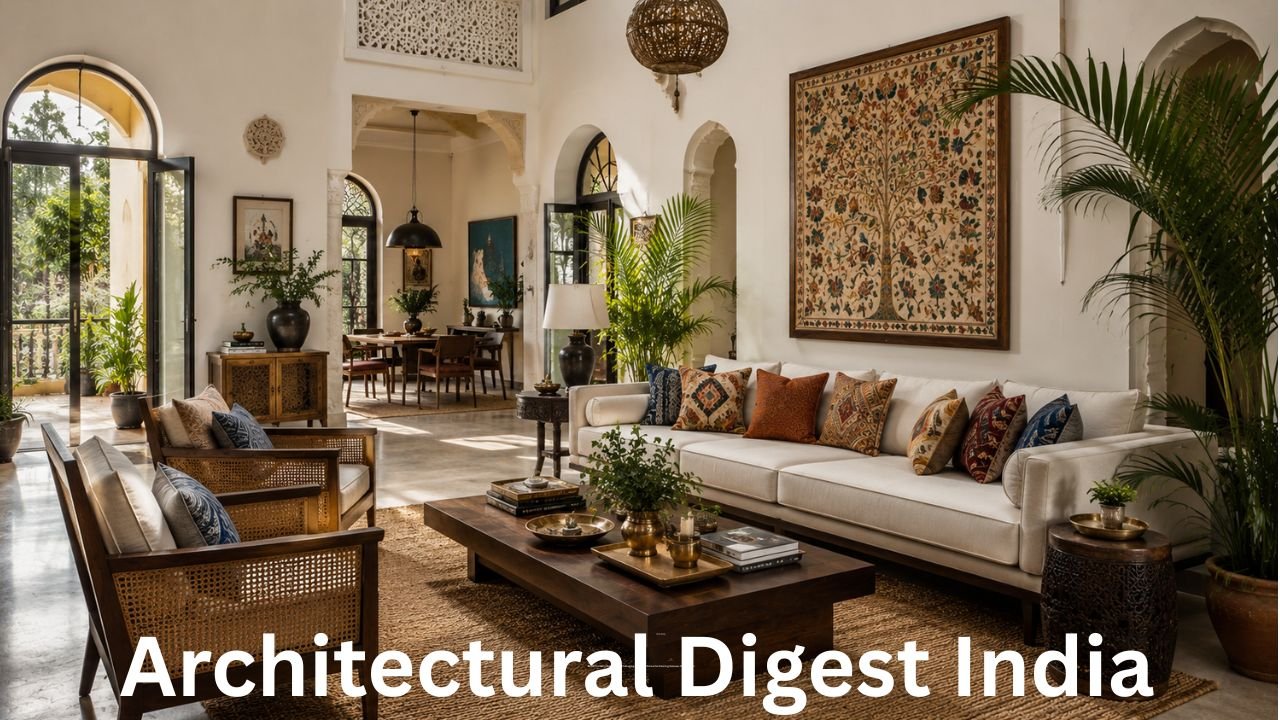
When it comes to discovering beautiful homes, creative interiors, remarkable architecture, and emerging design trends, Architectural Digest India has become a notable source of inspiration for design enthusiasts. Its coverage brings together traditional Indian aesthetics and contemporary ideas, making it especially interesting for readers who want to understand how design is evolving across the country.
Indian homes are no longer limited to a single decorating style. Designers and homeowners are combining handcrafted materials, regional traditions, modern furniture, sustainable choices, bold colors, and international influences. Publications focused on design help readers discover these changing ideas and see how they can be adapted to real spaces.
Whether you are planning a home renovation, looking for interior inspiration, interested in architecture, or simply enjoy beautiful spaces, exploring Indian design can provide plenty of creative ideas.
What Is Architectural Digest India?
Architectural Digest India is the Indian edition of the internationally recognized design and lifestyle publication Architectural Digest. It focuses on architecture, interior design, art, luxury, homes, designers, and influential creative personalities.
The publication provides a window into a wide variety of spaces, from sophisticated urban apartments to traditional residences and architecturally significant properties. Its stories often explore not only what a space looks like but also the ideas, materials, cultural influences, and designers behind it.
One of the most interesting aspects of Indian design coverage is its diversity. A home in Mumbai can have a completely different character from a traditional residence in Rajasthan, a contemporary house in Bengaluru, or a coastal property in Goa.
This variety makes Indian architecture and interior design particularly rich for anyone searching for fresh inspiration.
Why Indian Interior Design Is So Diverse
India has an enormous range of cultures, climates, crafts, architectural traditions, and lifestyles. These differences naturally influence the way homes are designed.
For example, traditional Indian interiors may feature:
- Hand-carved wooden furniture
- Natural stone
- Brass accessories
- Handwoven textiles
- Regional artwork
- Traditional patterns
- Courtyards and open spaces
- Locally crafted decorative pieces
Modern homes, meanwhile, may incorporate minimalist furniture, clean architectural lines, contemporary lighting, neutral palettes, and smart-home technology.
Many designers combine both approaches rather than choosing one exclusively. The result can be a home that feels modern while still retaining a strong sense of Indian identity.
Popular Design Trends Seen in Indian Homes
Interior trends constantly change, but several ideas continue to influence contemporary Indian residential design.
1. Modern Minimalism
Minimalism has become popular among homeowners who prefer uncluttered rooms and practical layouts.
Instead of filling every corner with furniture and accessories, minimalist interiors focus on functionality, proportion, natural light, and carefully selected materials.
Neutral colors such as beige, white, cream, gray, and earthy brown are frequently used as foundations, while artwork or furniture can introduce personality.
2. Traditional Craftsmanship
Handmade Indian craftsmanship remains an important part of interior design.
Wood carving, weaving, pottery, metalwork, stonework, and other traditional crafts can give contemporary spaces a distinctive character.
Rather than using traditional pieces throughout an entire home, designers may use one or two carefully selected handcrafted elements as focal points.
3. Indoor-Outdoor Connections
Many modern Indian homes are designed to create stronger connections between indoor and outdoor areas.
Large windows, balconies, terraces, gardens, courtyards, and open-plan living areas can help bring natural light and greenery into a property.
This approach can also make relatively compact interiors feel more spacious.
4. Natural Materials
Natural materials continue to appeal to homeowners because they provide texture and warmth.
Common choices include:
| Material | Common Design Use | Visual Effect |
|---|---|---|
| Wood | Furniture, doors, ceilings | Warm and timeless |
| Stone | Flooring, walls, countertops | Natural and sophisticated |
| Rattan | Chairs, lighting, accessories | Relaxed and organic |
| Brass | Fixtures and décor | Elegant and traditional |
| Cotton | Curtains and upholstery | Light and comfortable |
| Terracotta | Flooring and décor | Earthy and rustic |
Using natural materials does not necessarily mean creating a traditional interior. They can work equally well in contemporary, minimalist, or transitional spaces.
Architecture and the Importance of Local Identity
Architecture is more than the shape of a building. It can reflect a location’s climate, history, culture, available materials, and way of life.
Indian architects often have to balance modern requirements with regional characteristics. Climate is particularly important.
A house in a hot region may benefit from shaded areas, courtyards, ventilation, and materials that help manage heat. In other locations, designers may prioritize natural ventilation, rain protection, or connections to surrounding landscapes.
This relationship between architecture and place is one reason Indian residential design offers so many different approaches.

How to Use Indian Design Inspiration in Your Own Home
You do not need a luxury property or a large renovation budget to introduce Indian-inspired design into your home.
Start with one area rather than changing everything at once.
For example, you could:
- Add a handcrafted wooden coffee table.
- Introduce woven cushions or rugs.
- Use warm metallic accents.
- Display locally made artwork.
- Bring in indoor plants.
- Replace harsh lighting with warmer layered lighting.
- Add natural textures through curtains and upholstery.
- Use a statement piece instead of excessive decoration.
The key is balance. A few thoughtful additions can create more visual impact than filling a room with unrelated decorative items.
Finding Inspiration Without Copying a Design
Design publications can provide excellent inspiration, but the goal should not necessarily be to reproduce another person’s home exactly.
Every property has different dimensions, lighting, climate, budget, and practical requirements.
Instead, pay attention to the elements that attract you.
Ask yourself:
- Do I like the color palette?
- Which materials stand out?
- Is the furniture practical for my lifestyle?
- How is natural light being used?
- What makes the room feel comfortable?
- Can a similar idea work in my space?
This approach allows you to develop a home that feels personal rather than simply imitating a photograph.
The Growing Interest in Sustainable Design
Sustainability is becoming increasingly relevant to architecture and interiors.
Homeowners are paying more attention to durability, energy efficiency, responsible material choices, and products that can remain useful for years.
Some practical approaches include:
- Choosing durable furniture instead of disposable pieces.
- Reusing existing furniture when possible.
- Selecting locally produced items.
- Maximizing natural light.
- Improving ventilation.
- Using energy-efficient lighting.
- Incorporating plants and natural materials.
- Repairing or restoring older pieces.
Sustainable design does not have to look basic. Thoughtful material selection can actually make an interior feel more refined and distinctive.
Architecture and Interior Design Work Together
Architecture creates the framework of a building, while interior design shapes the experience inside it.
The best projects usually consider both elements together.
For example, a large window can become more than an architectural feature when furniture is positioned to take advantage of the view. Similarly, an interesting wall material can influence the colors, lighting, and furniture selected for the room.
When architecture and interiors complement each other, the entire property can feel more cohesive.
Why Design Publications Matter for Homeowners
A homeowner may not have professional design training, but visual examples can make complicated ideas easier to understand.
Seeing different projects can help people discover:
- New layout possibilities
- Color combinations
- Furniture arrangements
- Lighting techniques
- Architectural concepts
- Material combinations
- Space-saving ideas
- Decorative styles
This is particularly useful before starting a renovation because inspiration can help homeowners communicate their preferences to architects, contractors, or interior designers.

A Simple Way to Build Your Own Design Style
If you are unsure about your personal interior style, begin by collecting examples of rooms you genuinely like.
After gathering several examples, look for patterns.
Perhaps you repeatedly choose:
- Warm neutral colors
- Wooden furniture
- Minimal decoration
- Large plants
- Traditional artwork
- Natural fabrics
Those repeated choices can reveal your design preferences.
From there, create a simple direction for your home. You might describe it as “modern Indian,” “warm minimalist,” “contemporary traditional,” or “natural and earthy.”
Having a clear direction makes purchasing furniture and décor much easier.
Frequently Asked Questions
What is Architectural Digest India known for?
Architectural Digest India is known for its coverage of architecture, interior design, homes, art, designers, and luxury lifestyle. It showcases a broad range of Indian and international design influences.
Is Architectural Digest India useful for interior design inspiration?
Yes. Its home and design features can provide ideas for colors, layouts, materials, furniture, architecture, and decorative details that homeowners can adapt to their own spaces.
What makes Indian interior design unique?
Indian interior design often combines regional craftsmanship, traditional materials, cultural influences, and contemporary design. The combination can produce spaces that feel both modern and connected to local identity.
How can I add Indian design elements to a modern home?
Start with small details such as handcrafted furniture, woven textiles, brass accessories, artwork, natural materials, or traditional patterns. Combining a few distinctive elements with modern pieces can create a balanced look.
Is sustainable interior design expensive?
Not necessarily. Reusing furniture, buying durable products, choosing local materials, improving natural lighting, and avoiding unnecessary purchases can all support a more sustainable approach without requiring a major budget.
Should I copy a design I see in a magazine?
It is usually better to use published projects as inspiration rather than copying them exactly. Consider which colors, materials, layouts, or architectural ideas appeal to you and adapt those elements to your own space.
Final Thoughts
Architectural Digest India offers an interesting perspective on the relationship between architecture, interiors, culture, and modern living. Indian design is especially fascinating because it can bring together centuries-old craftsmanship with contemporary architecture and changing lifestyles.
For homeowners, the biggest value of exploring design inspiration is not finding one perfect room to copy. It is discovering ideas that can be adapted to your own home.
Whether your taste is minimalist, traditional, contemporary, rustic, luxurious, or somewhere in between, Indian architecture and interior design offer countless possibilities. Start with the elements you genuinely enjoy, focus on quality and functionality, and allow your personal style to develop naturally over time.
Also Read: Lowe’s Home Improvement: A Complete Guide to Products, Services, Projects, and Shopping


One thought on “Architectural Digest India: A Guide to Indian Interior Design, Architecture, and Home Inspiration”