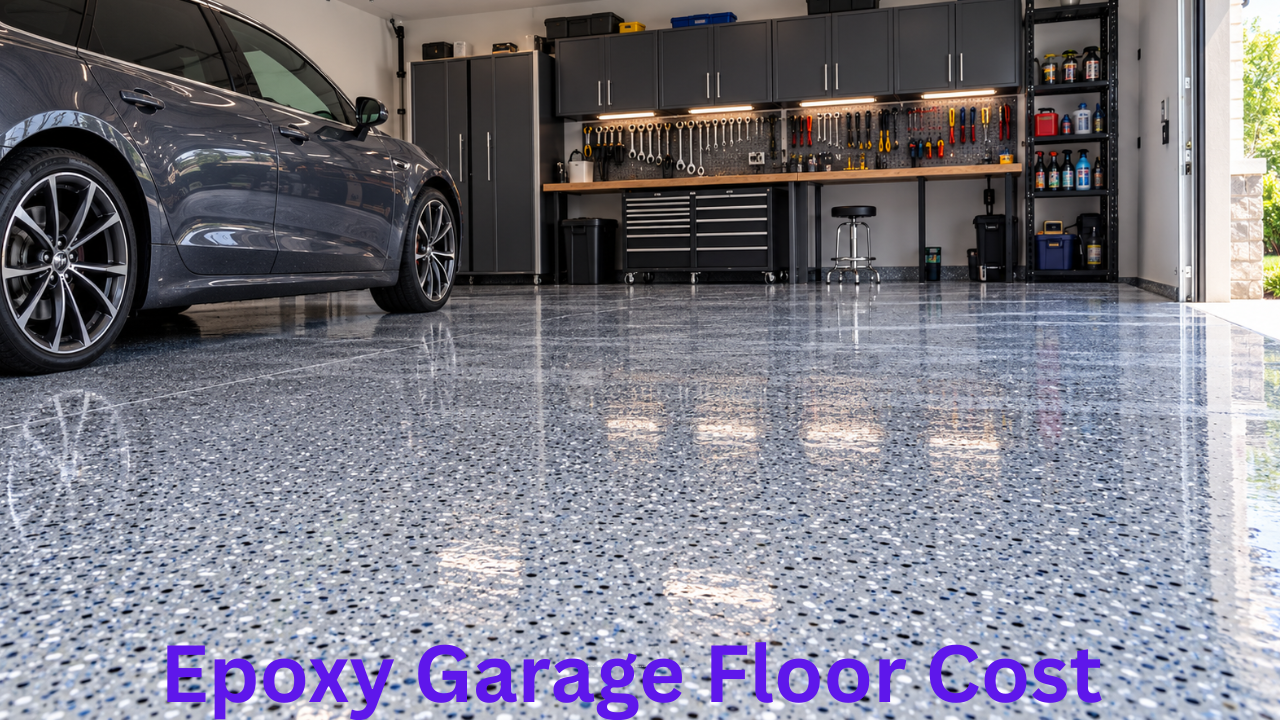
A durable garage floor can completely transform the appearance and functionality of your garage. Whether you use the space for parking, storage, a home gym, or a workshop, epoxy flooring has become one of the most popular choices for homeowners because of its durability, attractive finish, and low maintenance.
However, one question comes up before every installation: What is the epoxy garage floor cost?
The answer depends on several factors, including the size of your garage, the type of epoxy system, floor condition, design choices, and whether you install it yourself or hire professionals.
In this guide, we’ll break down everything you need to know about epoxy garage floor pricing, helping you estimate your budget and make an informed decision.
What Is an Epoxy Garage Floor?
An epoxy garage floor is a protective coating created by combining epoxy resin and a hardener. Once applied to a prepared concrete surface, it cures into a hard, durable finish that resists stains, chemicals, moisture, and heavy traffic.
Unlike ordinary paint, epoxy bonds with concrete, creating a seamless surface that lasts for years with proper maintenance.
Common epoxy finishes include:
- Solid color epoxy
- Metallic epoxy
- Decorative flake epoxy
- Quartz epoxy
- High-gloss epoxy
Each option comes with different pricing and performance benefits.
Average Epoxy Garage Floor Cost
The total cost varies based on labor, materials, and project complexity.
| Garage Size | Estimated Cost (DIY) | Professional Installation |
|---|---|---|
| 1-Car Garage (200–250 sq ft) | $300–$800 | $900–$2,000 |
| 2-Car Garage (400–500 sq ft) | $500–$1,500 | $1,500–$4,000 |
| 3-Car Garage (600–750 sq ft) | $900–$2,000 | $2,500–$6,000 |
| Large Custom Garage | $1,500+ | $4,000–$10,000+ |
Average cost per square foot:
- DIY: $2–$5 per sq ft
- Professional installation: $4–$12 per sq ft
- Premium decorative systems: $8–$15+ per sq ft
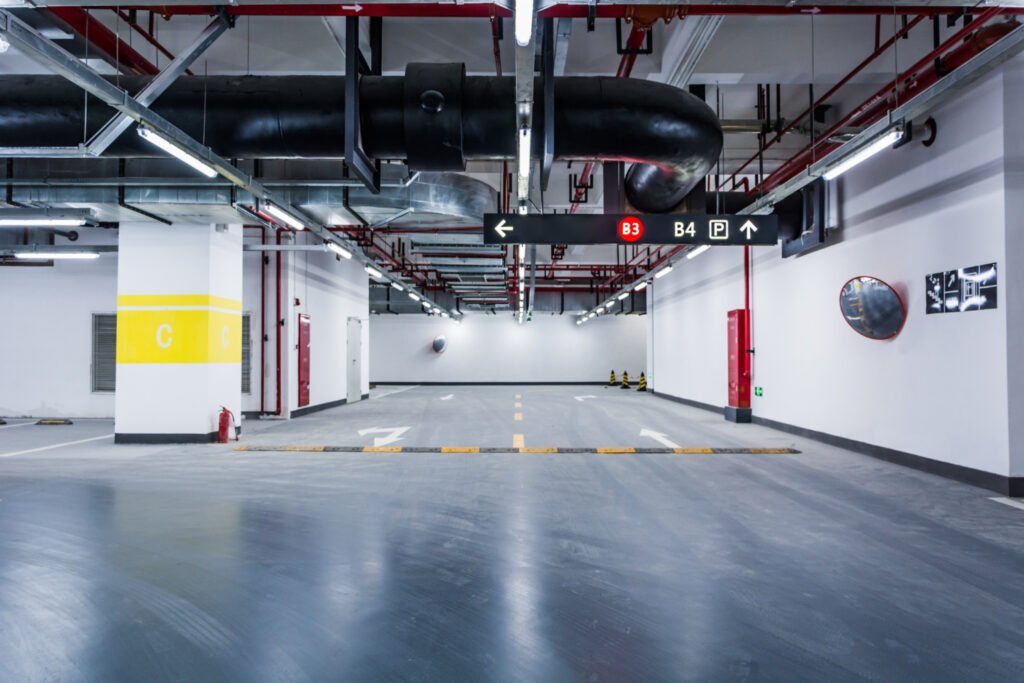
Factors That Affect Epoxy Garage Floor Cost
No two garages are exactly alike. Several variables influence the final price.
1. Garage Size
Larger garages require more epoxy, primer, topcoat, and labor.
For example:
- Single-car garages are the least expensive.
- Three-car garages require significantly more materials and preparation.
Although larger projects cost more overall, the cost per square foot sometimes decreases.
2. Floor Condition
Concrete preparation is one of the biggest cost factors.
Additional work may include:
- Crack repair
- Surface grinding
- Moisture testing
- Oil stain removal
- Concrete patching
If your garage floor is heavily damaged, expect to pay more before epoxy can be applied.
3. Type of Epoxy
Different epoxy systems come with different price ranges.
Water-Based Epoxy
- Most affordable
- Easy to apply
- Good for light residential use
- Lower durability
Solvent-Based Epoxy
- Better chemical resistance
- Stronger finish
- Moderate pricing
100% Solid Epoxy
- Highest durability
- Thick coating
- Professional-grade performance
- Higher installation cost
4. Decorative Additions
Many homeowners customize their garage floor.
Popular upgrades include:
- Metallic pigments
- Colored flakes
- Quartz finishes
- High-gloss clear coat
- Anti-slip additives
- Custom color blends
These decorative options improve appearance but also increase the project budget.
5. Labor Costs
Professional installers charge for:
- Concrete preparation
- Materials
- Application
- Multiple coating layers
- Finishing
- Warranty
Labor usually accounts for a significant portion of the total project cost.

DIY vs Professional Installation
Many homeowners wonder whether they should install epoxy themselves.
DIY Installation
Pros
- Lower overall cost
- Good for basic garages
- Flexible schedule
Cons
- Requires extensive preparation
- Higher risk of mistakes
- Shorter lifespan if applied incorrectly
- Limited finish quality
Professional Installation
Pros
- Superior durability
- Better appearance
- Longer lifespan
- Proper surface preparation
- Warranty included by many contractors
Cons
- Higher upfront investment
For homeowners planning to stay in their house for several years, professional installation often delivers better long-term value.
Cost Breakdown
Here’s an example of where your money goes during a professional installation.
| Expense | Average Cost |
|---|---|
| Surface Preparation | $300–$1,000 |
| Crack Repairs | $100–$500 |
| Primer | $100–$300 |
| Epoxy Materials | $500–$2,000 |
| Decorative Flakes | $100–$500 |
| Protective Topcoat | $200–$600 |
| Labor | $700–$2,500 |
These numbers vary depending on your location and project complexity.
Is Epoxy Worth the Cost?
For many homeowners, the answer is yes.
Benefits include:
- Long-lasting protection
- Attractive appearance
- Increased home value
- Easy cleaning
- Resistance to chemicals
- Oil stain protection
- Moisture resistance
- Dust-free surface
- Better lighting due to reflective finish
Compared with replacing damaged concrete, epoxy is often a more cost-effective long-term solution.
How Long Does an Epoxy Garage Floor Last?
Lifespan depends on product quality and maintenance.
Typical lifespan:
- DIY kits: 3–7 years
- Professional epoxy systems: 10–20 years
- Premium commercial systems: 20+ years
Proper cleaning and avoiding excessive impact help maximize longevity.
Hidden Costs to Consider
Some homeowners overlook additional expenses.
Possible extra costs include:
- Moisture barrier installation
- Existing coating removal
- Concrete leveling
- Decorative upgrades
- Additional topcoats
- Moving stored items
- Garage organization before installation
Requesting a detailed quote helps avoid surprises.
Tips to Save Money
If you’re working with a limited budget, consider these strategies.
- Compare multiple contractor quotes.
- Schedule installation during slower seasons.
- Choose standard colors instead of metallic finishes.
- Repair small cracks before getting estimates.
- Keep the garage empty before installers arrive.
- Maintain your floor properly to extend its lifespan.
Saving money shouldn’t mean sacrificing quality, especially when proper preparation determines how long the floor lasts.
Maintenance Costs
One advantage of epoxy flooring is its low maintenance.
Routine care includes:
- Sweeping dust
- Mopping occasionally
- Cleaning oil spills quickly
- Avoiding harsh acidic cleaners
Annual maintenance costs are usually minimal, making epoxy a budget-friendly long-term investment.
Alternatives to Epoxy Flooring
If epoxy doesn’t fit your budget or needs, consider these options.
| Flooring Type | Average Cost per Sq Ft | Durability |
|---|---|---|
| Epoxy | $4–$12 | Excellent |
| Polyaspartic | $6–$15 | Excellent |
| Polyurea | $7–$15 | Excellent |
| Concrete Paint | $1–$3 | Fair |
| Garage Floor Tiles | $3–$10 | Good |
| Sealed Concrete | $2–$6 | Good |
Each option has different strengths depending on your garage usage.
How to Choose the Right Installer
A quality installer can make a significant difference.
Look for companies that:
- Have positive customer reviews
- Offer written warranties
- Use commercial-grade products
- Perform concrete grinding
- Provide detailed estimates
- Have experience with residential garages
Never choose solely based on the lowest price.
Frequently Asked Questions
How much does epoxy garage flooring cost for a two-car garage?
Most homeowners spend between $1,500 and $4,000 for professional installation, depending on the epoxy system and floor condition.
Is epoxy cheaper than replacing concrete?
Yes. Applying epoxy is generally much less expensive than removing and replacing an entire concrete garage floor.
Can I install epoxy myself?
Yes, DIY kits are available. However, professional installation typically lasts longer and produces a more durable, attractive finish.
How long does installation take?
Most residential garages can be completed in two to four days, including curing time.
Does epoxy increase home value?
While it may not dramatically raise resale value, an attractive, durable garage floor can improve buyer appeal and enhance the overall appearance of your home.
What is the biggest factor affecting epoxy garage floor cost?
Surface preparation is often the largest cost factor. Floors with cracks, moisture issues, or old coatings require additional work before epoxy can be applied.
Final Thoughts
Understanding epoxy garage floor cost helps you plan your renovation budget more accurately. While prices vary depending on garage size, material quality, floor condition, and installation method, epoxy remains one of the best long-term flooring investments for residential garages.
A professionally installed epoxy floor not only enhances the appearance of your garage but also provides years of protection against stains, chemicals, moisture, and heavy vehicle traffic. By choosing the right installer, selecting a quality epoxy system, and maintaining the floor properly, you can enjoy a durable, attractive surface that delivers excellent value for many years


2 thoughts on “Epoxy Garage Floor Cost: Complete Pricing Guide for 2026”