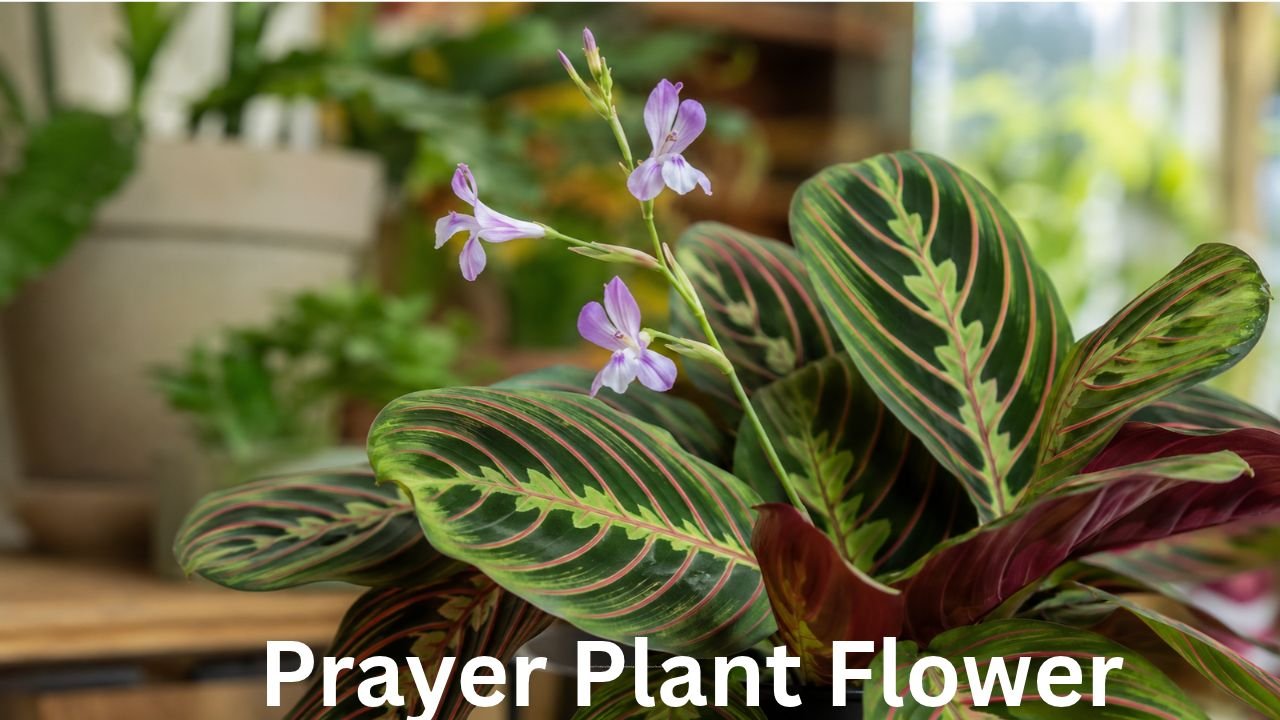
A prayer plant is loved for its beautifully patterned leaves, but there is another feature that can make this tropical houseplant even more special: the prayer plant flower. Although the blooms are usually small and delicate, seeing them appear can be a rewarding sign that your plant is growing in suitable conditions.
Prayer plants, especially members of the Maranta genus, are known for their colorful foliage and fascinating daily leaf movements. Their leaves often fold upward at night, which is where the common name “prayer plant” comes from. Flowers are less dramatic than the foliage, but they can still add charm to a healthy, mature plant.
If your prayer plant has never flowered, there is usually no reason to worry. Indoor conditions, plant maturity, light levels, moisture, humidity, and general care can all influence flowering. With the right environment, you can give your plant a better chance of producing blooms.
What Does a Prayer Plant Flower Look Like?
Prayer plant flowers are generally small compared with the plant’s decorative leaves. Depending on the variety, the blooms may appear in shades of white, pale pink, lavender, or purple.
The flowers typically develop on thin stalks that emerge from the plant. They may appear in small clusters rather than as large, showy blossoms.
While the foliage is usually the main attraction, flowers can be an interesting indication that the plant is comfortable with its growing conditions.
Some indoor gardeners are surprised by how subtle the blooms are. A prayer plant can have gorgeous leaves and produce flowers that are relatively easy to overlook.
Do Prayer Plants Actually Flower Indoors?
Yes, prayer plants can flower indoors.
However, flowering is not guaranteed. Some plants may bloom regularly when grown under favorable conditions, while others may focus almost entirely on leaf growth.
Indoor prayer plants often have to deal with conditions that are different from their natural tropical environment. Low humidity, inconsistent watering, insufficient light, dry indoor air, or sudden temperature changes can affect their growth.
A plant that looks healthy does not necessarily need to flower. Flowering is simply one part of the plant’s natural growth cycle.
If your main goal is a beautiful, healthy prayer plant, strong foliage should remain your priority.
When Do Prayer Plants Usually Flower?
There is no single flowering schedule that applies to every prayer plant. Flowering can depend on the plant’s variety, age, growing conditions, and seasonal changes.
Prayer plants generally respond well to warm, humid environments with bright but indirect light. When these conditions remain consistent, a mature plant may eventually produce flower stalks.
Some indoor plants may flower during periods of active growth, while others may bloom at different times of the year.
If your plant suddenly begins producing thin stalks with tiny buds, avoid removing them immediately. They may be developing into flowers.
How to Encourage a Prayer Plant Flower
You cannot force a prayer plant to bloom, but you can create conditions that make flowering more likely.
1. Provide Bright, Indirect Light
Light is one of the most important factors affecting prayer plant growth.
Prayer plants generally prefer bright, filtered light rather than harsh direct sunlight. A location near a bright window can work well if the plant is protected from intense midday rays.
Too little light may result in slow growth and fewer opportunities for flowering. On the other hand, strong direct sunlight can scorch the leaves.
Look for a location where the plant receives plenty of natural brightness without sitting directly in intense sunlight for long periods.
2. Maintain Consistent Moisture
Prayer plants tend to prefer evenly moist soil, but that does not mean the roots should remain constantly waterlogged.
Check the soil regularly and water when the upper portion begins to dry. The exact watering schedule will depend on your home’s temperature, humidity, pot size, soil mixture, and light conditions.
Avoid allowing the plant to completely dry out for long periods.
At the same time, constantly saturated soil can create problems with the roots. A pot with drainage holes is important because excess water needs somewhere to escape.
3. Increase Humidity
Humidity can make a significant difference to prayer plant care.
These plants naturally come from warm, humid environments, so extremely dry indoor air can make them less comfortable.
Signs of excessively dry conditions can include:
- Brown or crispy leaf edges
- Curling leaves
- Slower growth
- Increased sensitivity to environmental changes
A humidifier is one of the most reliable ways to increase humidity around a houseplant. Grouping plants together can also create a slightly more humid microenvironment.
However, good air circulation is still important. Extremely stagnant and constantly wet conditions are not ideal.
4. Keep Temperatures Stable
Prayer plants generally perform best in warm indoor conditions.
Try to protect them from sudden temperature changes, cold drafts, air-conditioning vents, and direct blasts of hot air from heating systems.
A stable environment can help reduce stress and support consistent growth.
Best Soil for a Flowering Prayer Plant
A prayer plant benefits from a loose, well-draining growing medium that can retain some moisture without becoming waterlogged.
A suitable mix may contain materials such as:
| Soil Component | Main Benefit |
|---|---|
| Quality potting mix | Provides the basic growing medium |
| Perlite | Improves drainage and aeration |
| Coco coir | Helps retain moisture |
| Fine orchid bark | Adds structure and improves airflow |
| Compost | Provides organic matter and nutrients |
You do not need a complicated recipe. The important goal is to create soil that stays lightly moist while allowing excess water to drain away.
Heavy, compacted soil can restrict airflow around the roots and make watering more difficult to manage.
Should You Fertilize a Prayer Plant to Encourage Flowers?
Fertilizer can support healthy growth, but more fertilizer does not automatically mean more flowers.
During active growth, a balanced houseplant fertilizer used according to its label instructions can provide nutrients that support the plant.
Avoid overfertilizing. Excess nutrients can accumulate in the soil and potentially damage the roots.
A good approach is to prioritize overall plant health rather than trying to push the plant into flowering with heavy feeding.
If the leaves are healthy, growth is steady, and the plant is producing new foliage, your basic care routine is probably working well.

Why Is My Prayer Plant Not Flowering?
There are several possible reasons.
The Plant Is Still Young
Young plants may focus their energy on establishing roots and producing foliage rather than flowers.
Give the plant time to mature instead of assuming something is wrong.
Light Is Too Low
A prayer plant can survive in relatively lower light, but surviving and thriving are not the same thing.
If growth is weak and the plant receives very little natural brightness, moving it closer to a bright source of indirect light may help.
Humidity Is Too Low
Dry indoor air can make tropical houseplants less comfortable.
If your home is particularly dry, improving humidity may help the plant maintain healthier foliage and more consistent growth.
Watering Is Inconsistent
Repeated cycles of severe drying followed by heavy watering can stress the plant.
Try to establish a more consistent routine based on the condition of the soil rather than watering strictly according to a calendar.
The Plant Is Stressed
Pests, root problems, temperature fluctuations, poor soil, or sudden environmental changes can all affect growth.
Before focusing on flowers, make sure the plant is healthy.
How to Care for Prayer Plant Flowers
Once your prayer plant produces flowers, there is usually no need for complicated special treatment.
Continue providing the same stable conditions:
- Bright, indirect light
- Consistent moisture
- Warm temperatures
- Suitable humidity
- Good drainage
- Moderate feeding during active growth
Avoid repeatedly moving the plant around while it is flowering. Sudden environmental changes can create unnecessary stress.
The flowers may not last very long, so enjoy them while they are present.
Should You Cut Off Prayer Plant Flowers?
There is no universal rule that says you must remove prayer plant flowers.
If you enjoy seeing the blooms, you can simply leave them alone.
After the flowers fade, you can remove spent flower stalks if they look unattractive. Use clean, sharp scissors and cut the stalk near its base without damaging nearby leaves.
Removing old flowers is primarily an appearance and maintenance choice. It is not necessary simply because the flowers have finished blooming.
Prayer Plant Flower vs. Prayer Plant Leaves
The leaves are the main reason many people grow prayer plants.
They can feature striking patterns, contrasting veins, and shades of green, red, purple, or silver depending on the variety. Their nighttime movement also makes them unusual compared with many common houseplants.
The flowers are much smaller and less dramatic.
| Feature | Prayer Plant Leaves | Prayer Plant Flowers |
| Visual impact | Usually very high | Usually subtle |
| Size | Relatively large | Small |
| Main attraction | Patterns and colors | Delicate blooms |
| Frequency | Regularly produced under good conditions | Less predictable |
| Care needs | Central to plant health | No special routine required |
This is why most growers focus on maintaining beautiful foliage rather than treating flowering as the main objective.
Common Mistakes That Can Affect Flowering
A few common care mistakes can make it harder for a prayer plant to remain healthy.
Overwatering
Keeping the soil constantly soaked can damage roots. Always make sure excess water can drain from the pot.
Harsh Direct Sunlight
Strong sunlight can burn delicate foliage. Bright filtered light is generally a better choice.
Very Dry Air
Low humidity can contribute to crispy edges and curled leaves.
Too Much Fertilizer
More fertilizer is not necessarily better. Follow the product’s recommended dosage.
Poor Drainage
A decorative container without adequate drainage can allow excess water to collect around the roots.
Frequent Relocation
Constantly moving the plant between different environments can make it harder to maintain stable growing conditions.
Are Prayer Plant Flowers a Sign of Good Health?
Flowering can be an encouraging sign that your prayer plant is growing under conditions it finds favorable. However, the absence of flowers does not automatically mean the plant is unhealthy.
A prayer plant can be perfectly healthy while producing only leaves.
Instead of judging the plant solely by whether it flowers, look at its overall condition. Healthy leaves, steady new growth, strong stems, and a stable root system are more important indicators.
If the plant is healthy and eventually produces flowers, consider that an added bonus.
Frequently Asked Questions About Prayer Plant Flower
How often does a prayer plant flower?
Flowering frequency varies between individual plants and growing conditions. Some mature indoor prayer plants may flower occasionally, while others rarely produce noticeable blooms.
What color are prayer plant flowers?
Prayer plant flowers can vary by species and variety, but they are commonly white, pink, lavender, or purple.
Can a prayer plant flower indoors?
Yes. Prayer plants can produce flowers indoors when they receive suitable light, moisture, humidity, temperature, and general care.
Should I remove prayer plant flowers?
You do not have to remove them. You can leave the flowers in place while they are blooming and remove spent stalks later if desired.
Does more fertilizer make a prayer plant flower?
Not necessarily. Fertilizer supports healthy growth, but excessive feeding can cause problems. Good light, stable moisture, suitable humidity, and overall plant health are more important.
Why does my prayer plant have leaves but no flowers?
This is common. Prayer plants can grow attractive foliage without flowering. The plant may be young, receive insufficient light, experience low humidity, or simply not be inclined to flower under your particular indoor conditions.
Final Thoughts
A prayer plant flower may be small, but it can be a delightful surprise for anyone growing Maranta indoors. The flowers are usually less spectacular than the plant’s patterned leaves, yet they add another interesting feature to an already fascinating houseplant.
Rather than trying to force blooms, concentrate on creating a stable environment. Provide bright indirect light, keep the soil consistently but moderately moist, maintain suitable humidity, use well-draining soil, and protect the plant from extreme temperatures.
Most importantly, remember that flowering is not the only measure of success. A prayer plant with healthy, colorful foliage and steady growth is already doing well. If flowers eventually appear, you can simply enjoy them as an extra reward for providing good care.
Also Read:DIY Kitchens: A Practical Guide to Designing and Creating Your Own Kitchen


One thought on “Prayer Plant Flower: How to Encourage Blooms and Care for Your Maranta”