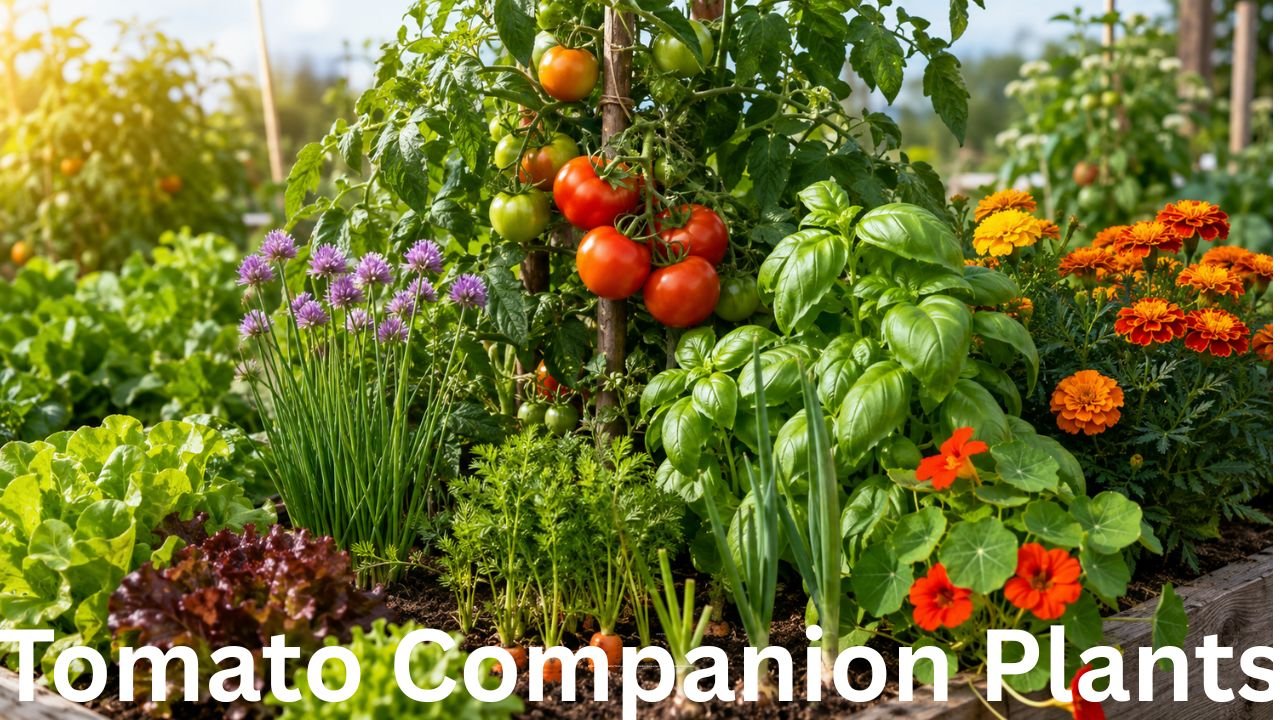
Growing tomatoes can be incredibly rewarding, but getting strong plants and a healthy harvest often depends on more than sunlight, water, and fertilizer. The plants growing around your tomatoes can also make a difference. This is where tomato companion plants come into play.
Companion planting is the practice of growing certain plants near each other because they may provide useful benefits, such as attracting pollinators, supporting beneficial insects, improving garden diversity, or making better use of available space.
Some plants are especially popular around tomatoes, including basil, marigolds, carrots, onions, lettuce, and herbs. However, companion planting is not a magic solution for every garden problem. Good soil, proper watering, adequate sunlight, spacing, and pest management remain essential.
In this guide, we’ll explore the best tomato companion plants, why gardeners use them, which plants to avoid, and how to create a productive tomato garden.
What Are Tomato Companion Plants?
Tomato companion plants are plants grown near tomato plants with the goal of creating a more productive and balanced garden environment.
The idea behind companion planting is simple: different plants can interact with their surroundings in different ways. Some attract bees and other beneficial insects, while others may provide ground cover or make efficient use of garden space.
For example, flowering plants can add color to a vegetable garden while attracting pollinators and beneficial insects. Low-growing crops can also be planted around taller tomatoes to use space more efficiently.
However, it’s important to understand that not every popular companion-planting claim has strong scientific evidence behind it. Some combinations are supported mainly by gardening experience rather than controlled research.
The best approach is to treat companion planting as one part of an overall garden strategy.
Why Grow Companion Plants With Tomatoes?
There are several practical reasons gardeners combine tomatoes with other plants.
Attract Beneficial Insects
Flowers can make a vegetable garden more attractive to pollinators and predatory insects. Bees and other pollinators contribute to a healthy garden ecosystem, while certain beneficial insects feed on common garden pests.
Plants with small flowers, such as some herbs, can be particularly useful for encouraging insect diversity.
Make Better Use of Garden Space
Tomatoes usually grow upward and can occupy considerable vertical space. Smaller crops can sometimes be planted around them without competing heavily for the same growing area.
This can be particularly useful in raised beds and small gardens.
Add Diversity
A garden containing several types of plants can be more diverse than a large planting of a single crop. Diversity can help create habitat for different insects and make the garden more visually appealing.
Improve the Garden Experience
Companion plants can also provide practical benefits for the gardener. Herbs and flowers grown alongside tomatoes can give you additional crops or attractive blooms from the same garden bed.
Best Tomato Companion Plants
There is no single perfect companion plant for every tomato garden. The best choices depend on your climate, available space, sunlight, and gardening goals.
Here are some of the most popular options.
| Companion Plant | Potential Benefit | Garden Use |
|---|---|---|
| Basil | Adds biodiversity and attracts insects when flowering | Herb |
| Marigolds | Adds flowers and supports insect diversity | Flower |
| Carrots | Efficient use of space below tomato foliage | Root vegetable |
| Lettuce | Can use partially shaded areas | Leafy green |
| Onions | Compact crop that fits around larger plants | Vegetable |
| Chives | Useful herb with attractive flowers | Herb |
| Parsley | Can attract beneficial insects when flowering | Herb |
| Nasturtiums | Flowers attract insects and can provide ground cover | Flower/edible |
| Calendula | Provides colorful flowers and insect habitat | Flower |
| Bush beans | Compact plants can complement taller crops | Vegetable |
1. Basil
Basil is one of the most famous plants associated with tomatoes, and it’s easy to understand why.
Tomatoes and basil are both warm-season crops, and they can fit naturally into the same garden. Basil can be harvested throughout the growing season and used in sauces, salads, sandwiches, and fresh tomato dishes.
Although basil is often promoted as a plant that directly improves tomato growth or keeps specific pests away, those claims should not be treated as guaranteed results.
Its biggest practical advantages are that it is useful, relatively compact, and compatible with a sunny vegetable garden.
2. Marigolds
Marigolds are another popular choice for tomato beds.
Their bright flowers add visual interest while providing resources for insects. Marigolds can also help increase plant diversity around tomatoes.
Gardeners often plant marigolds around vegetables because they are easy to grow and produce flowers for an extended period under suitable conditions.
However, don’t rely on marigolds alone for pest control. Inspect tomato plants regularly and use appropriate pest-management techniques when problems appear.
3. Carrots
Carrots can be an excellent space-saving crop for a tomato garden.
Tomatoes grow above the soil, while carrots develop underground. This difference in growth habit allows gardeners to use the same garden bed for two crops.
Carrots generally prefer loose, well-prepared soil. Avoid planting them where dense tomato roots or compacted soil will interfere with root development.
A well-spaced tomato bed can therefore produce both a vertical crop and a root crop.
4. Lettuce
Lettuce can work well around tomatoes, especially during parts of the growing season when temperatures are suitable.
Because lettuce stays relatively low to the ground, it can make use of space beneath taller tomato plants. As tomato foliage becomes larger, it may provide some shade.
This can be helpful in warm conditions, although excessive shade can also reduce lettuce growth.
For the best results, give both crops enough room for air circulation.
5. Onions
Onions are compact and can fit into many vegetable gardens without taking up much horizontal space.
Their upright leaves also occupy a different area from sprawling tomato foliage.
Growing onions near tomatoes can be a practical space-management choice, particularly in raised beds.
Keep in mind that companion planting does not eliminate the need to monitor either crop for disease, insects, or nutrient problems.
6. Chives
Chives are another useful herb for a tomato garden.
They are compact, easy to harvest, and can produce attractive purple flowers. When allowed to bloom, flowering herbs can contribute to the overall diversity of insects visiting the garden.
Chives can be planted along the edge of a vegetable bed where they are easy to access without interfering with tomato growth.
7. Parsley
Parsley can be grown near tomatoes as another edible herb and flowering plant.
If parsley is allowed to flower, its blooms can attract various small beneficial insects. This can add another source of habitat and food to a diverse garden.
Because parsley is relatively compact, it can be useful in gardens where space is limited.
8. Nasturtiums
Nasturtiums are colorful flowering plants that can be useful in vegetable gardens.
Depending on the variety, they can trail across the ground or climb. Their flowers add visual interest and can attract insects.
Nasturtiums are also edible, with flowers and leaves commonly used as a peppery addition to salads.
If you grow trailing varieties, make sure they don’t become so vigorous that they crowd the tomato plants or restrict airflow.
9. Calendula
Calendula can bring bright flowers into a vegetable garden while contributing to plant diversity.
It can be particularly attractive to gardeners who want their vegetable beds to look more like mixed ornamental gardens.
As with other flowering companion plants, calendula should be viewed as part of a broader strategy rather than a guaranteed pest-control solution.
How to Plant Tomato Companion Plants
Choosing good companion plants is only part of the process. Placement matters too.
Start by considering how large each plant will become.
Tall tomatoes should generally be positioned where they won’t block sunlight from shorter crops that require full sun. Smaller plants can be placed toward the front or around the edges of the bed.
Leave Enough Space
Crowding is one of the most common mistakes in mixed vegetable gardens.
Tomatoes need adequate space for growth and airflow. If companion plants are packed tightly around them, humidity can increase and foliage may stay wet for longer periods.
Always follow appropriate spacing recommendations for the specific tomato variety and companion crops.
Think About Sunlight
Tomatoes generally perform best with plenty of direct sunlight.
Before planting companions, consider how tall each plant will become. A large companion plant can accidentally shade a tomato, while an aggressive tomato plant can shade smaller crops.
Prepare the Soil
Good soil is more important than choosing a particular companion plant.
Before planting, work with soil that drains well and contains sufficient organic matter. Avoid creating a garden bed where plants compete intensely for nutrients and water.
A soil test can help identify major nutrient issues before the growing season.
Plants to Avoid Growing Too Close to Tomatoes
Companion planting isn’t just about choosing good neighbors. Some plants can be poor choices because they have similar diseases, compete aggressively, or simply don’t fit well into the same growing space.
Potatoes
Tomatoes and potatoes are both members of the nightshade family. They can share some diseases, including late blight.
Growing them close together can make disease management more complicated, particularly when conditions favor disease development.
Fennel
Fennel is often considered a poor companion for many garden plants because of its growth characteristics and chemical interactions with surrounding plants.
For that reason, it is generally better to grow fennel separately from your main vegetable beds.
Walnut Trees
Walnut trees deserve special attention because they can release natural chemical compounds into the surrounding environment that may affect sensitive plants.
Avoid planting tomatoes where walnut-related growth conditions could interfere with healthy development.
Common Tomato Companion Planting Mistakes
Even a well-planned garden can run into problems if companion plants are used incorrectly.
Planting Too Many Species
It can be tempting to put every recommended companion plant into one garden bed.
But too many plants can create overcrowding, competition for water, and poor airflow.
A smaller selection of well-spaced plants is often easier to manage.
Expecting Companion Plants to Prevent All Pests
Companion plants are not a substitute for garden monitoring.
Check tomato leaves regularly for:
- Aphids
- Caterpillars
- Whiteflies
- Tomato hornworms
- Spider mites
- Signs of fungal disease
Early detection makes many garden problems easier to manage.
Ignoring Crop Rotation
Growing tomatoes or related crops in the same location year after year can contribute to soil and disease problems.
When possible, rotate tomato-family crops with unrelated vegetables over different seasons.
A Simple Tomato Companion Planting Layout
If you’re starting a new tomato bed, you don’t need a complicated design.
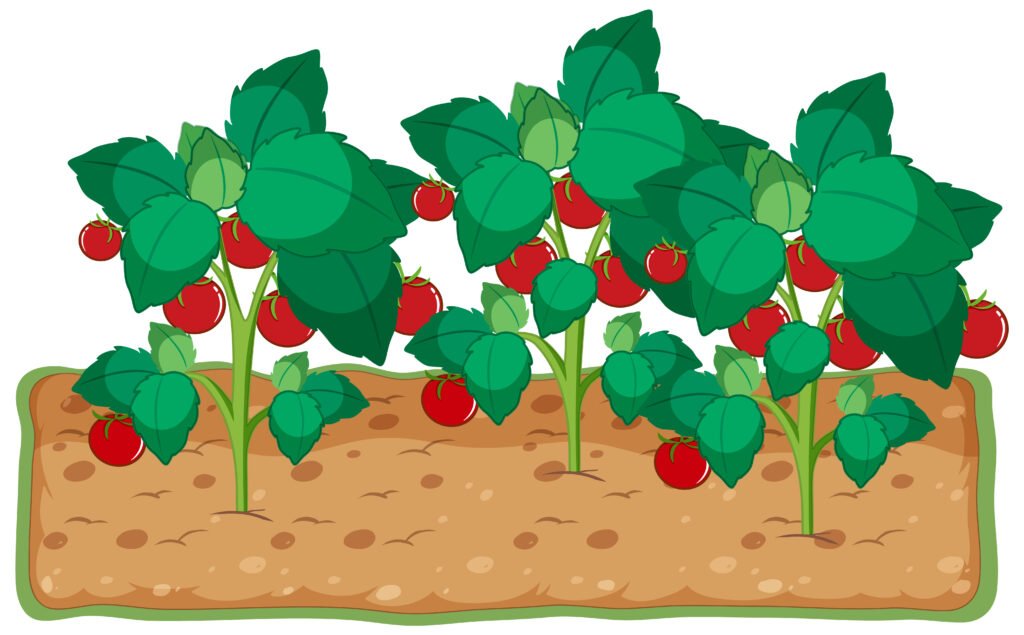
A simple arrangement could include tomatoes as the main crop, basil or parsley between suitable spaces, and flowering plants such as marigolds around the edges.
Low-growing lettuce can be used where seasonal temperatures allow it, while carrots or onions can occupy additional spaces.
The exact arrangement should depend on your garden’s size and the mature dimensions of every plant.
The main goal is to maintain:
- Good sunlight
- Adequate airflow
- Easy access for harvesting
- Proper spacing
- Efficient water use
- Healthy soil
Frequently Asked Questions About Tomato Companion Plants
What is the best companion plant for tomatoes?
Basil is one of the most popular tomato companion plants because it grows well in similar warm conditions and provides a useful herb harvest. Marigolds, carrots, onions, lettuce, and flowering herbs can also work well depending on your garden.
Can I plant basil directly next to tomatoes?
Yes. Basil can be grown near tomatoes as long as both plants have adequate sunlight, water, nutrients, and airflow. Avoid overcrowding the plants.
Do marigolds keep pests away from tomato plants?
Marigolds are often used in vegetable gardens because they attract flowers-loving insects and add plant diversity. However, they should not be considered a guaranteed pest-control method.
Can lettuce grow beside tomatoes?
Yes. Lettuce can be grown near tomatoes, especially when temperatures are appropriate. As tomatoes grow taller, their foliage may provide some shade, although lettuce still needs enough light for healthy growth.
Should potatoes be planted near tomatoes?
It is generally better to keep potatoes and tomatoes separated when possible. They are related crops and can share certain diseases, so separating them can make disease management easier.
How far apart should tomato companion plants be?
Spacing depends on the specific plants and tomato variety. Don’t use companion planting as a reason to ignore normal spacing recommendations. Every plant needs enough room for roots, foliage, sunlight, and airflow.
Final Thoughts
Choosing the right tomato companion plants can make a vegetable garden more diverse, productive, and attractive. Basil, marigolds, carrots, lettuce, onions, chives, parsley, nasturtiums, and calendula are all worth considering for different reasons.
The key is not to treat companion planting as a guaranteed solution to every gardening problem. Healthy tomatoes still need appropriate sunlight, consistent watering, nutritious soil, adequate spacing, and regular monitoring.
Start with a few compatible plants rather than filling the entire bed with different species. Pay attention to how the plants grow together throughout the season, and use what you learn to improve next year’s garden.
With thoughtful planning, companion planting can turn an ordinary tomato bed into a diverse and enjoyable garden that produces food, flowers, and plenty of opportunities to learn along the way.
Also Read: Bryant Furnace: A Complete Guide to Models, Efficiency, Costs, and Maintenance
One thought on “Tomato Companion Plants: The Best Plants to Grow Near Tomatoes”