
Designing your own garden can be an exciting and rewarding experience. Whether you have a large backyard, a small outdoor space, or just a few empty corners around your home, creating a garden that reflects your personal style is easier than you might think. You do not necessarily need to hire a professional landscape designer or spend a lot of money to achieve beautiful results.
If you have ever wondered, “Can I design my own garden?” the answer is absolutely yes. With a little planning, creativity, and an understanding of basic gardening principles, you can turn an ordinary outdoor area into a beautiful, comfortable, and functional space.
Platforms and gardening inspiration such as Kdagardenation can help homeowners explore garden layouts, planting ideas, and practical ways to improve outdoor spaces. However, the most important part of the process is understanding your own garden’s conditions and choosing a design that works for your lifestyle.
In this guide, we will explain how to design your own garden, choose suitable plants, plan different areas, avoid common mistakes, and create an outdoor space that looks attractive throughout the year.
Can I Design My Own Garden Without Professional Help?
Yes, you can design your own garden without professional assistance. Many homeowners successfully plan and develop their gardens using simple tools, online inspiration, and basic landscaping knowledge.
The key is to start with a realistic plan instead of purchasing plants and decorations without considering how everything will fit together.
DIY garden design gives you several advantages:
- Lower costs: You can save money by doing the planning and planting yourself.
- Personal creativity: You can choose colors, plants, decorations, and layouts that match your preferences.
- Flexible planning: You can make changes whenever your needs or interests change.
- Better understanding: Working directly with your garden helps you learn about soil, sunlight, drainage, and plant care.
- Personal satisfaction: Watching your own design develop into a beautiful outdoor space can be incredibly rewarding.
You do not have to complete everything in one weekend. Starting with a small section and gradually improving the remaining space is often the most practical approach.
Step 1: Understand Your Garden Space
Before creating a garden layout, take some time to understand the outdoor area you want to transform.
Every garden has different characteristics. Some receive sunlight throughout the day, while others remain shaded for several hours. Similarly, soil quality, available space, and drainage conditions can influence which plants will grow successfully.
Start by examining the following details.
Measure the Available Area
Measure the length and width of your garden. If your outdoor space has an unusual shape, divide it into smaller sections and measure each one separately.
Record the location of:
- Doors and windows
- Existing trees and plants
- Fences and walls
- Garden paths
- Water connections
- Outdoor seating areas
Having accurate measurements will help you avoid buying too many plants or selecting furniture that does not fit.
Observe Sunlight and Shade
Sunlight is one of the most important factors in garden planning.
Observe how sunlight moves across your outdoor space during the day. Some areas may receive direct morning sunlight but become shaded in the afternoon.
This information will help you choose suitable plants.
For example:
- Sun-loving flowers generally need several hours of direct sunlight.
- Shade-tolerant plants are better for areas with limited sunlight.
- Vegetables such as tomatoes and peppers generally perform best in sunny locations.
- Some ferns and hostas grow well in partially shaded spaces.
Do not assume that every part of your garden has the same growing conditions.
Step 2: Choose a Garden Design Style
Once you understand your space, decide what kind of garden you want to create.
Having a clear design style makes it easier to select plants, decorations, furniture, and materials that work together.
Here are some popular garden styles to consider.
14
Modern Garden
Modern gardens feature clean lines, simple layouts, and carefully selected plants. They often include stone pathways, geometric planting beds, decorative lighting, and comfortable outdoor furniture.
This style works particularly well for homeowners who prefer an organized and uncluttered outdoor environment.
Cottage Garden
Cottage gardens have a natural and colorful appearance. They often feature flowering plants, climbing roses, mixed borders, and informal pathways.
This design is ideal if you enjoy a relaxed atmosphere with plenty of flowers and natural beauty.
Minimalist Garden
A minimalist garden focuses on simplicity. Instead of filling every available space with plants, it uses a limited selection of greenery and decorative elements.
Gravel, large planters, ornamental grasses, and simple seating arrangements can create an elegant appearance.
Tropical Garden
Tropical gardens feature lush greenery, broad leaves, and plants with vibrant colors.
Depending on your climate, you might consider palms, hibiscus, ornamental grasses, and other suitable tropical plants.
Step 3: Create a Simple Garden Layout
A garden layout is a visual plan showing where different elements will be placed.
You do not need professional design software to create one. A notebook, pencil, measuring tape, and ruler are enough to get started.
Draw your garden from above and mark the locations of existing structures.
Next, divide the space into functional areas.
| Garden Area | Purpose | Design Ideas |
|---|---|---|
| Flower beds | Add color and beauty | Roses, marigolds, seasonal flowers |
| Vegetable section | Grow fresh produce | Tomatoes, lettuce, peppers |
| Seating area | Relax outdoors | Bench, chairs, small table |
| Walking path | Improve accessibility | Gravel, stepping stones |
| Green corner | Create a natural atmosphere | Shrubs, ornamental plants |
| Decorative area | Improve appearance | Garden lights, planters |
You do not need all these sections. Choose the ones that make sense for your available space.
Keep the Layout Practical
A beautiful garden should also be easy to maintain.
Make sure there is enough room to walk between planting beds. Keep frequently used areas accessible and avoid placing large plants where they could block pathways or windows.
It is also helpful to position plants according to their mature sizes. A small plant purchased today may eventually become a large shrub or tree.
Step 4: Select Plants That Match Your Climate
One of the biggest mistakes beginners make is choosing plants simply because they look attractive.
However, a plant that grows beautifully in one region may struggle in another because of differences in temperature, rainfall, humidity, and soil conditions.
Before purchasing plants, research which varieties are suitable for your local climate.
7
Consider these plant categories:
- Flowering plants: Add seasonal colors and visual interest.
- Evergreen plants: Provide greenery throughout the year.
- Shrubs: Help create structure and natural boundaries.
- Ground covers: Fill empty spaces and reduce exposed soil.
- Vegetables: Make your garden productive as well as attractive.
- Herbs: Provide fresh ingredients for everyday cooking.
If you live in a hot climate, consider heat-tolerant plants and varieties that can handle local summer conditions. Also check their water requirements before planting.
Step 5: Prepare the Soil Before Planting
Good soil provides the foundation for a healthy garden.
Even attractive plants may struggle if the soil lacks nutrients, drains poorly, or becomes too compacted.
Start by removing weeds, stones, and unwanted debris. Loosen the soil and examine its texture.
Adding suitable organic matter, such as finished compost, can improve soil structure and support healthy plant growth.
Here are a few basic soil preparation tips:
- Remove weeds and unwanted vegetation.
- Break up compacted soil carefully.
- Add finished compost when appropriate.
- Check whether water drains properly.
- Prepare individual planting holes according to plant requirements.
Avoid adding fertilizer without understanding what your soil needs. Excessive fertilizer can damage plants and create unnecessary nutrient imbalances.
Step 6: Add Garden Paths and Decorative Features
Garden paths and decorations can make an ordinary outdoor area feel more organized and inviting.
A pathway also protects plants from being stepped on and makes it easier to reach different sections of the garden.
12
Some affordable features worth considering include:
- Stone or gravel pathways
- Wooden garden benches
- Decorative plant containers
- Solar-powered outdoor lights
- Small water features
- Trellises for climbing plants
- Natural stone borders
You do not need to purchase everything at once.
Choose a few features that complement your garden style. Too many decorations can make a small garden appear crowded.
Step 7: Plan Your Garden Watering System
Watering is an important part of maintaining a healthy garden.
However, different plants require different amounts of water. Some prefer consistently moist soil, while others grow better when the soil dries slightly between watering sessions.
A simple watering plan can prevent common problems such as underwatering and root damage caused by excessive moisture.
Consider these options:
| Watering Method | Best For | Main Benefit |
|---|---|---|
| Watering can | Small gardens and containers | Affordable and simple |
| Garden hose | Medium-sized gardens | Easy to use |
| Drip irrigation | Flower and vegetable beds | Delivers water near roots |
| Soaker hose | Long planting beds | Provides gradual watering |
| Sprinkler system | Larger lawn areas | Covers broad spaces |
Water plants according to their individual needs and local weather conditions.
Watering early in the morning is often helpful because it reduces evaporation and allows foliage to dry during the day.
Step 8: Make the Most of Small Garden Spaces
You do not need a large backyard to create an attractive garden.
Small outdoor areas can become beautiful green spaces when designed thoughtfully.
14
Try these practical ideas:
Use Vertical Gardening
Vertical gardening allows you to grow plants upward instead of spreading them across the ground.
Wall-mounted planters, hanging baskets, and vertical planting systems can help maximize limited space.
Choose Container Plants
Containers are useful for patios, balconies, and small courtyards.
They also allow you to move plants when sunlight conditions change or when you want to rearrange your garden.
Create Defined Sections
Even a small garden can have different areas for flowers, seating, and greenery.
Use planters, decorative borders, or small pathways to separate these sections without making the space feel crowded.
Select Plants Carefully
Avoid choosing plants that grow too large for your available area.
Compact shrubs, dwarf varieties, and appropriately sized flowering plants are often better choices for smaller gardens.
Step 9: Use Technology and Online Inspiration
Planning a garden has become easier because homeowners can access gardening guides, photographs, and design inspiration online.
Resources such as Kdagardenation can be useful starting points for exploring garden arrangements, landscaping ideas, and creative outdoor improvements.
You can also use simple garden planning applications to experiment with different layouts before making physical changes.
When researching ideas, remember to consider your own garden conditions rather than copying every design you see online.
For example, a garden designed for a cool climate may require different plants and materials than one located in a hot region.
The best design is one that combines inspiration with practical decisions.
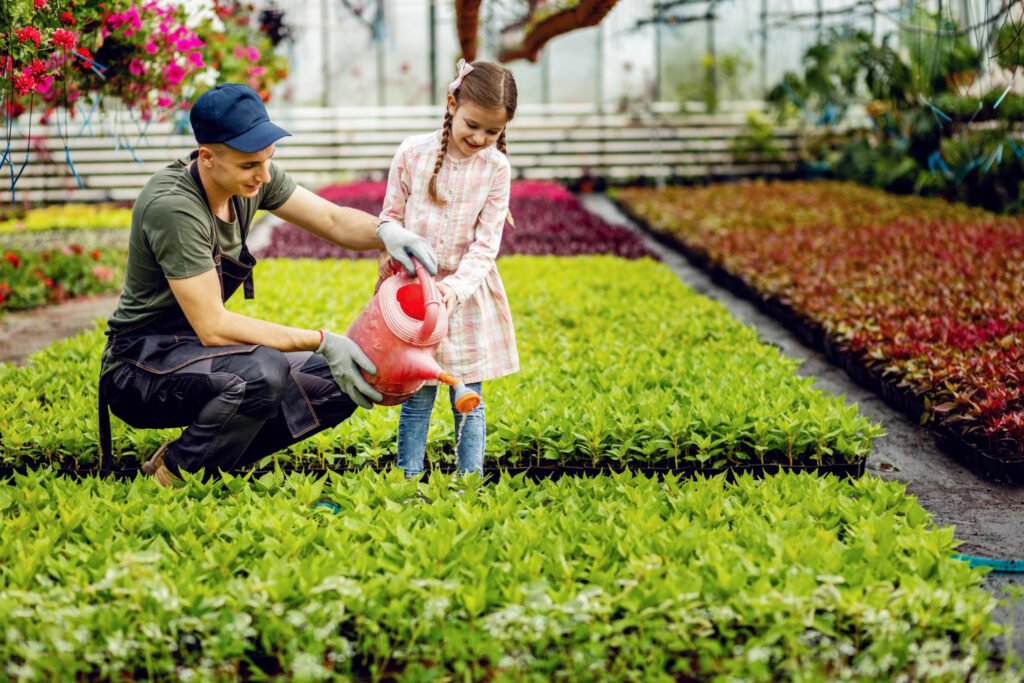
Step 10: Maintain Your Garden After Designing It
Creating your garden is only the beginning. Regular maintenance helps keep plants healthy and prevents the outdoor space from becoming untidy.
Fortunately, you do not need to spend hours working in your garden every day.
A simple maintenance routine can make a significant difference.
| Maintenance Task | Suggested Frequency |
|---|---|
| Check soil moisture | Several times a week |
| Remove weeds | Weekly or as needed |
| Inspect plants for pests | Weekly |
| Trim dead flowers | As needed |
| Add compost | According to soil needs |
| Prune shrubs | According to plant requirements |
| Clean garden pathways | Weekly or as needed |
Adjust this schedule according to the season, plant varieties, and local weather.
Regularly inspecting your plants also helps you identify problems before they become serious.
Common Garden Design Mistakes to Avoid
Even a carefully planned garden can encounter problems. Understanding common mistakes can help you save time and money.
Here are some issues to watch out for:
1. Planting without measuring: Plants may become overcrowded if you do not consider their mature sizes.
2. Ignoring sunlight: Choosing shade-loving plants for sunny locations or sun-loving varieties for dark corners can lead to poor growth.
3. Overwatering: Excessive watering can reduce oxygen around plant roots and encourage root problems.
4. Using too many decorations: Too many decorative items can make your garden look cluttered.
5. Forgetting maintenance: A garden that looks beautiful initially still needs regular attention.
6. Choosing unsuitable plants: Always research local growing conditions before purchasing new varieties.
Avoiding these mistakes will help you develop a garden that is attractive, practical, and easier to maintain.
Frequently Asked Questions (FAQs)
1. Can I design my own garden without experience?
Yes. Beginners can design their own gardens by starting with simple layouts, researching suitable plants, and understanding basic gardening requirements. You can gradually introduce more advanced landscaping features as your experience grows.
2. What is the easiest way to plan a garden layout?
Start by measuring your outdoor space and drawing a simple layout on paper. Mark existing structures, pathways, sunny areas, and shaded corners. Then decide where you want flowers, vegetables, seating, and decorative features.
3. How much does it cost to design your own garden?
The cost depends on your garden’s size, plant selection, materials, and decorative features. A simple DIY garden can be created with a relatively small budget, especially if you reuse existing containers and purchase plants gradually.
4. What plants are best for a beginner’s garden?
Marigolds, zinnias, basil, mint, and certain varieties of lettuce are popular beginner-friendly choices. However, the best options depend on your local climate, sunlight, and soil conditions.
5. Can I design a beautiful garden in a small space?
Absolutely. Vertical gardening, container plants, compact shrubs, and carefully planned pathways can help transform small outdoor spaces. The key is to use available space efficiently without overcrowding it.
6. How can Kdagardenation help with garden design ideas?
Kdagardenation can serve as a source of inspiration when exploring garden layouts, outdoor improvements, and creative planting arrangements. Combine ideas you discover with practical knowledge about your space, climate, soil, and maintenance requirements.
Final Thoughts
So, can I design my own garden? Absolutely. You do not need professional landscaping experience or expensive equipment to create an outdoor space that looks beautiful and serves your needs.
Start by understanding your available space, choosing a suitable garden style, and creating a simple layout. Select plants that match your local climate, prepare the soil properly, and introduce practical features such as pathways, seating, and appropriate watering systems.
Remember that a successful garden does not have to be completed immediately. You can develop it gradually, learn from your experience, and make improvements whenever necessary.
With thoughtful planning, patience, and inspiration from resources such as Kdagardenation, you can transform an ordinary outdoor area into a welcoming garden that you will enjoy for years to come.
Also Read: www designmode24 .com: Exploring Modern Design Ideas, Home Décor, and Creative Inspiration



One thought on “Can I Design My Own Garden? A Complete Guide to Planning Your Garden with Kdagardenation”