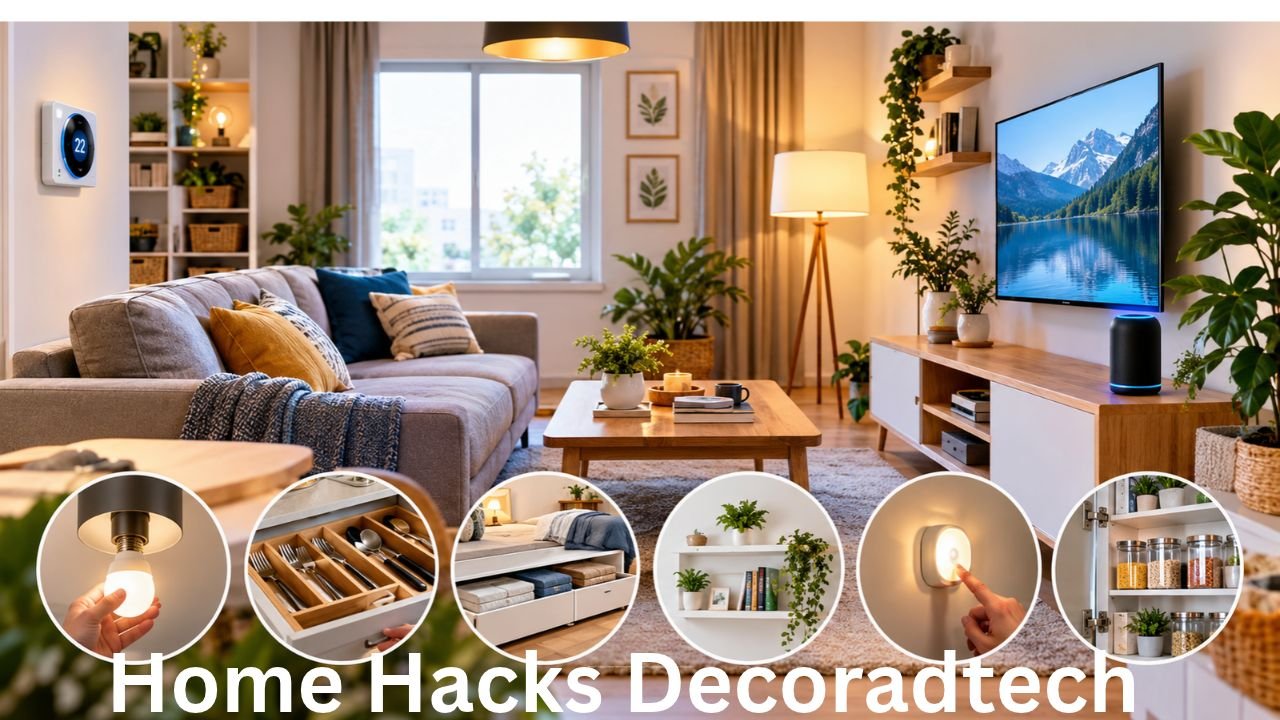
A comfortable, organized, and attractive home doesn’t always require expensive renovations or professional interior designers. Sometimes, small changes can make a surprisingly big difference. From clever storage solutions to energy-saving technology, practical home improvements can help you create a space that looks better and works more efficiently.
That’s where home hacks Decoradtech comes into the picture. The term brings together creative decorating ideas, practical home improvement techniques, and modern technology to make everyday living easier.
Whether you’re dealing with a cluttered kitchen, a small bedroom, outdated lighting, or rising electricity bills, there are plenty of affordable ways to improve your surroundings.
In this guide, we’ll explore useful home hacks inspired by the Decoradtech approach, including smart home upgrades, DIY decorating ideas, cleaning shortcuts, and simple organizational techniques.
What Are Home Hacks Decoradtech?
Home hacks Decoradtech refers to practical ideas that combine home decoration, organization, and technology to improve everyday living.
Rather than focusing entirely on expensive remodeling projects, this approach emphasizes affordable changes that deliver noticeable results.
For example, installing motion-sensor lights in a hallway can improve convenience, while using vertical storage in a small kitchen can create additional space without major construction.
The basic idea is simple: make your home more comfortable, functional, and visually appealing with minimal effort.
Some common areas where these ideas can help include:
- Home organization and storage
- Smart home technology
- Interior decoration
- Energy efficiency
- Kitchen and bathroom improvements
- DIY home maintenance
- Cleaning and household management
The most effective home improvements solve real problems instead of simply following decorating trends.
Smart Home Hacks That Make Everyday Life Easier
Technology has changed how people interact with their homes. Many everyday tasks can now be automated or controlled remotely.
Fortunately, you don’t need a fully automated house to enjoy these benefits.
Install Smart Lighting
Smart lighting is one of the easiest ways to introduce modern technology into your home.
Smart bulbs and compatible switches allow you to control lighting through mobile applications, voice assistants, or automated schedules.
For example, you can program bedroom lights to gradually brighten in the morning or automatically turn off when everyone leaves the house.
Benefits of smart lighting include:
- Convenient remote control
- Adjustable brightness
- Custom lighting schedules
- Motion-based automation
- Potential energy savings when lights are used less
LED smart bulbs are generally more energy-efficient than traditional incandescent bulbs. However, replacing an existing LED bulb with a smart LED bulb may not significantly reduce electricity consumption.
Use Smart Plugs for Everyday Appliances
Smart plugs provide an affordable way to control compatible electrical devices.
They can be particularly useful for table lamps, decorative lighting, and certain small appliances.
For example, you can schedule a lamp to turn on before sunset or switch off decorative lights automatically at bedtime.
Always check the smart plug’s electrical rating and the appliance manufacturer’s instructions. Avoid using smart plugs with high-power heating appliances unless the manufacturer specifically approves that application.
Add Motion-Sensor Lighting
Motion-sensor lights are useful in areas where people frequently forget to turn off the lights.
Good locations include:
- Hallways
- Closets
- Staircases
- Garages
- Entryways
- Under kitchen cabinets
Battery-powered motion-sensor lights are particularly convenient because many models can be installed without modifying electrical wiring.
Budget-Friendly Home Decoration Hacks
Creating a stylish interior doesn’t necessarily mean purchasing expensive furniture or replacing everything you already own.
A few thoughtful decorating changes can refresh a room without putting pressure on your budget.
Rearrange Your Existing Furniture
Before buying new furniture, experiment with the layout of your current pieces.
Moving a sofa, changing the position of a coffee table, or relocating a bookshelf can completely change how a room feels.
Try arranging furniture to improve natural light and create clear walking paths.
In smaller rooms, keeping large furniture away from narrow entrances can make the space feel less crowded.
Use Mirrors to Make Rooms Feel Larger
Mirrors are a simple decorating tool that can make compact spaces appear brighter and more open.
Placing a mirror opposite or near a window helps reflect natural light around the room.
Large mirrors can work particularly well in:
- Small bedrooms
- Narrow hallways
- Living rooms
- Entryways
- Compact dining areas
Choose a mirror that complements your existing furniture rather than adding one simply because it’s fashionable.
Refresh Furniture Instead of Replacing It
Older furniture can often be updated with inexpensive materials.
Consider these improvements:
- Replace outdated cabinet handles.
- Refinish a wooden side table.
- Add removable decorative coverings to suitable surfaces.
- Repaint furniture using an appropriate primer and finish.
- Replace worn cushion covers.
A small furniture makeover can give your room a fresh appearance while reducing unnecessary waste.
Kitchen Organization Hacks for a More Functional Space
The kitchen is one of the busiest areas in most homes. Without proper organization, cabinets and countertops can quickly become cluttered.
Fortunately, several practical home hacks can make kitchen storage more efficient.
Use Vertical Cabinet Space
Many kitchen cabinets have unused space between shelves.
Stackable organizers, shelf risers, and adjustable storage racks help make better use of this area.
You can also install suitable hooks inside cabinet doors for lightweight items.
Before drilling or attaching organizers, check the cabinet material and the manufacturer’s weight recommendations.
Organize Drawers With Dividers
Drawer dividers keep utensils, cooking accessories, and smaller kitchen tools separated.
Instead of searching through a crowded drawer, you can quickly find what you need.
Adjustable dividers are particularly useful because they can fit different drawer sizes.
Keep Countertops Clear
An overcrowded countertop makes cooking and cleaning more difficult.
Try keeping only frequently used appliances and essential cooking tools on display.
Store occasional-use equipment inside cabinets whenever possible.
A clear countertop creates more preparation space and gives the kitchen a cleaner appearance.
Bedroom Home Hacks for Better Comfort and Organization
Your bedroom should feel relaxing rather than crowded or distracting.
Simple changes can improve both comfort and functionality.
Create Storage Under the Bed
Under-bed storage is especially useful in smaller bedrooms.
Low-profile storage containers can hold seasonal clothing, spare bedding, and other items that aren’t needed daily.
Choose containers with lids to help protect stored belongings from dust.
Improve Your Bedside Setup
A cluttered bedside table can make even a beautifully decorated bedroom look untidy.
Keep essential items such as a lamp, alarm clock, and book within easy reach.
A small drawer organizer or wall-mounted shelf can provide additional storage without occupying much floor space.
Use Soft, Layered Lighting
Harsh overhead lighting isn’t always ideal for bedrooms.
Combining ceiling lights with bedside lamps and soft accent lighting creates a more comfortable atmosphere.
Warm-toned lighting can make a bedroom feel inviting, especially during the evening.
For better sleep, reduce bright light exposure close to bedtime and keep your sleeping environment comfortable.
Energy-Saving Home Hacks Decoradtech Ideas
Energy efficiency is an important part of modern home improvement.
Reducing unnecessary energy consumption can lower household expenses while making your home more environmentally friendly.
Here are some practical improvements worth considering.
| Home Improvement Hack | Main Benefit | Typical Difficulty | Budget Level |
|---|---|---|---|
| Replace incandescent bulbs with LEDs | Lower lighting energy use | Easy | Low |
| Install weatherstripping | Reduce unwanted air leaks | Easy | Low |
| Use smart lighting schedules | Prevent unnecessary lighting | Easy | Low to Medium |
| Install a programmable thermostat | Improve heating and cooling control | Moderate | Medium |
| Add thermal curtains | Improve window comfort | Easy | Low to Medium |
| Seal appropriate door gaps | Reduce drafts | Easy | Low |
| Maintain air conditioner filters | Support efficient airflow | Easy | Low |
| Use motion-sensor lighting | Reduce forgotten lighting | Easy | Low to Medium |
Note: Actual savings depend on your climate, existing equipment, energy prices, and household habits.
Seal Windows and Doors
Small gaps around doors and windows can allow unwanted air movement.
Weatherstripping and suitable caulking materials can help reduce drafts.
Before applying sealants, inspect the area carefully and choose products designed for the surface.
Do not block intentional ventilation openings or appliance air supplies.
Maintain Your Air Conditioner
A poorly maintained air conditioning system may use more energy than necessary.
Cleaning or replacing filters according to the manufacturer’s instructions helps maintain airflow.
Other useful habits include:
- Keeping vents unobstructed
- Using reasonable temperature settings
- Closing windows when cooling is operating
- Scheduling professional servicing when needed
These steps can support comfort and help prevent avoidable strain on the system.
Make Better Use of Natural Light
Natural daylight can reduce the need for artificial lighting during daytime hours.
Use light-colored curtains where privacy allows and avoid placing large furniture directly in front of windows.
In warmer climates, consider how direct sunlight affects indoor temperatures. Shading a hot window may provide more benefit than maximizing daylight.
DIY Home Improvement Hacks Anyone Can Try
You don’t need advanced construction skills to complete every home improvement project.
Many small upgrades require only basic tools and a little preparation.
Upgrade Cabinet Hardware
Replacing cabinet handles and drawer pulls is a relatively simple way to update kitchens, bathrooms, and bedrooms.
Measure the existing screw spacing before purchasing replacement hardware.
This helps ensure the new handles fit without requiring additional drilling.
Add Removable Wall Decor
Removable wallpaper and wall decals can refresh a room without permanent changes.
They are particularly useful for renters who want to personalize their living spaces.
However, removable products aren’t guaranteed to be damage-free.
Test a small hidden area first, especially on freshly painted or delicate surfaces.
Install Floating Shelves
Floating shelves provide decorative storage for books, small plants, and accessories.
They work well in living rooms, bedrooms, and home offices.
For safety, use suitable wall anchors and fasteners for your wall type.
Heavy shelves should be properly secured, ideally into wall studs or appropriate structural supports.
Bathroom Hacks That Improve Everyday Convenience
Bathrooms are often among the smallest rooms in a house, making smart storage especially valuable.
A few inexpensive changes can improve organization and cleanliness.
Add Wall-Mounted Storage
Wall-mounted organizers help keep toiletries off crowded countertops.
Consider installing shelves above the toilet or using suitable shower organizers.
Avoid placing heavy items on weak adhesive fixtures.
Use Clear Storage Containers
Transparent containers make it easier to locate everyday essentials.
They can be useful for storing:
- Cotton pads
- Hair accessories
- Small grooming tools
- Spare toiletries
- Cleaning supplies
Keep medications and hazardous cleaning products in appropriate, secure storage, away from children and pets.
Improve Bathroom Ventilation
Moisture buildup can contribute to unpleasant odors and mold growth.
Use an exhaust fan during and after showers where one is installed.
Regularly clean damp surfaces and address plumbing leaks promptly.
If mold is widespread or repeatedly returns, professional assessment may be necessary.

Cleaning Hacks for a Fresh and Healthy Home
Cleaning becomes easier when you follow a consistent routine rather than waiting for messes to accumulate.
A few practical habits can make household maintenance less time-consuming.
Follow the Two-Minute Rule
If a simple household task takes less than two minutes, consider completing it immediately.
Examples include wiping a countertop, putting shoes away, or returning a book to its shelf.
Small actions can prevent clutter from becoming overwhelming.
Clean From Top to Bottom
When cleaning a room, start with higher surfaces and work downward.
Dust shelves and furniture before vacuuming or mopping the floor.
This approach prevents dust from higher surfaces from settling onto areas you’ve already cleaned.
Use Microfiber Cloths
Microfiber cloths are useful for cleaning many household surfaces.
They can collect dust and remove light dirt without requiring large amounts of cleaning solution.
Use separate cloths for kitchens, bathrooms, and general household cleaning to reduce cross-contamination.
Avoid Dangerous Cleaning Mixtures
Some household cleaning products can release hazardous gases when combined.
Never mix bleach with ammonia, vinegar, acids, or other cleaning products.
Always follow product labels and ensure adequate ventilation when using cleaning chemicals.
Small Space Hacks for Apartments and Compact Homes
Limited square footage doesn’t mean your home has to feel cramped.
Smart furniture choices and thoughtful organization can make compact living spaces more practical.
Choose Multifunctional Furniture
Furniture that serves more than one purpose can help reduce clutter.
Examples include:
- Storage ottomans
- Beds with built-in drawers
- Foldable dining tables
- Desks with shelving
- Storage benches
These items are especially helpful in studio apartments and small bedrooms.
Use Vertical Wall Space
When floor space is limited, walls can provide valuable storage opportunities.
Tall bookcases, wall-mounted organizers, and floating shelves help keep everyday items accessible.
Secure tall furniture to the wall when appropriate to reduce tip-over hazards.
Create Separate Functional Zones
Even a small room can serve multiple purposes.
For example, a living room might include a reading corner, a small workspace, and an entertainment area.
Use rugs, furniture placement, or lighting to visually separate these spaces.
This creates a more organized environment without installing permanent partitions.
How to Choose the Right Home Hacks for Your Needs
Not every home improvement idea will be suitable for every household.
Before starting a project, consider your budget, available space, and daily routines.
A practical approach involves five steps.
1. Identify the problem
Determine what needs improvement. Is your kitchen cluttered? Does your bedroom lack storage? Are you trying to reduce energy consumption?
2. Set a realistic budget
Decide how much you’re comfortable spending before purchasing materials or equipment.
3. Prioritize useful improvements
Focus on projects that solve everyday problems rather than changes that only look attractive in photographs.
4. Check installation requirements
Some projects require professional assistance, particularly those involving electrical wiring, plumbing, or structural modifications.
5. Evaluate the results
After completing a project, consider whether it genuinely improves your comfort, convenience, or organization.
The best home hacks are those that continue providing value long after the initial upgrade.
Common Home Improvement Mistakes to Avoid
Even simple DIY projects can become frustrating without proper planning.
One common mistake is purchasing storage products before measuring the available space.
Another is choosing decorative items that look attractive but don’t match the room’s actual needs.
Other mistakes include:
- Buying unnecessary smart devices
- Ignoring product compatibility
- Overloading shelves or organizers
- Using unsuitable adhesives
- Starting projects without checking costs
- Attempting unsafe electrical repairs
- Following trends without considering long-term usefulness
Avoiding these mistakes can save money and prevent unnecessary work.
Remember that professional help is often the safest choice for electrical, gas, major plumbing, and structural projects.
Frequently Asked Questions About Home Hacks Decoradtech
1. What does home hacks Decoradtech mean?
Home hacks Decoradtech is a search phrase associated with practical home improvement ideas, smart technology, organization, and creative decorating solutions. It generally describes ways to make a home more attractive, comfortable, and functional without requiring expensive renovations.
2. What are the easiest home hacks for beginners?
Some beginner-friendly home hacks include installing drawer dividers, replacing cabinet handles, organizing kitchen shelves, adding battery-powered motion lights, and rearranging existing furniture. These improvements typically require minimal experience and relatively little money.
3. Can smart home technology help reduce electricity bills?
Yes, certain smart home devices can help reduce unnecessary electricity consumption. Smart lighting schedules, occupancy sensors, and properly configured thermostats may improve energy management. However, actual savings depend on how the devices are used and the efficiency of existing equipment.
4. How can I make my home look expensive on a small budget?
Focus on consistent colors, good lighting, clean surfaces, and thoughtful furniture placement. Updating cabinet hardware, adding mirrors, refreshing old furniture, and reducing visible clutter can make a room feel more polished without major spending.
5. What are the best home hacks for small apartments?
Multifunctional furniture, under-bed storage, wall-mounted shelves, vertical organizers, and foldable tables are especially useful in compact apartments. These solutions help maximize available space while keeping rooms comfortable and organized.
6. Are DIY home improvement hacks safe?
Many basic decorating and organization projects are safe when completed with suitable materials and proper instructions. However, electrical repairs, structural changes, gas work, and complex plumbing tasks should generally be handled by qualified professionals. Always follow manufacturer guidelines and local building requirements.
Final Thoughts
Improving your home doesn’t have to involve expensive remodeling, complicated equipment, or major lifestyle changes.
The ideas behind home hacks Decoradtech show how practical organization, creative decorating, and thoughtful technology choices can work together to create a more comfortable living environment.
From installing smart lighting and organizing kitchen cabinets to improving energy efficiency and refreshing old furniture, small changes can produce meaningful results.
The key is to choose improvements that suit your space, budget, and everyday needs.
Start with one area of your home that needs attention. Make a simple improvement, see how it works, and gradually build on your progress.
Over time, these small upgrades can help transform an ordinary living space into a home that feels more organized, efficient, and enjoyable.
Also Read: Decoradtech Home Devices from DecoratorAdvice: A Complete Guide to a Smarter and More Stylish Home

One thought on “Home Hacks Decoradtech: Smart and Simple Ways to Improve Your Home”