Introduction
A beautiful home is not simply about expensive furniture, fashionable decorations, or perfectly painted walls. It is about creating a comfortable environment that reflects your personality while making everyday life easier. From choosing the right colors to arranging furniture and improving lighting, every small decision contributes to the overall appearance and functionality of your living space.
This is where interior design designmode24 becomes an interesting topic for homeowners, renters, and anyone looking for fresh decorating inspiration. Understanding interior design principles can help you turn an ordinary room into an attractive, organized, and welcoming environment without necessarily spending a fortune.
Whether you are planning a complete home makeover or simply want to refresh your bedroom, living room, kitchen, or workspace, thoughtful design choices can make a noticeable difference.
In this guide, we will explore practical interior design ideas, popular decorating styles, furniture arrangements, color combinations, lighting techniques, and budget-friendly improvements that can help you create a home you genuinely enjoy.
What Is Interior Design DesignMode24?
Interior design designmode24 focuses on exploring creative home design concepts and practical decorating approaches that make residential spaces more attractive and functional.
Interior design involves much more than selecting decorative accessories. It combines several important elements, including furniture, lighting, colors, materials, textures, room proportions, and storage solutions.
The objective is to create an environment where everything works together naturally.
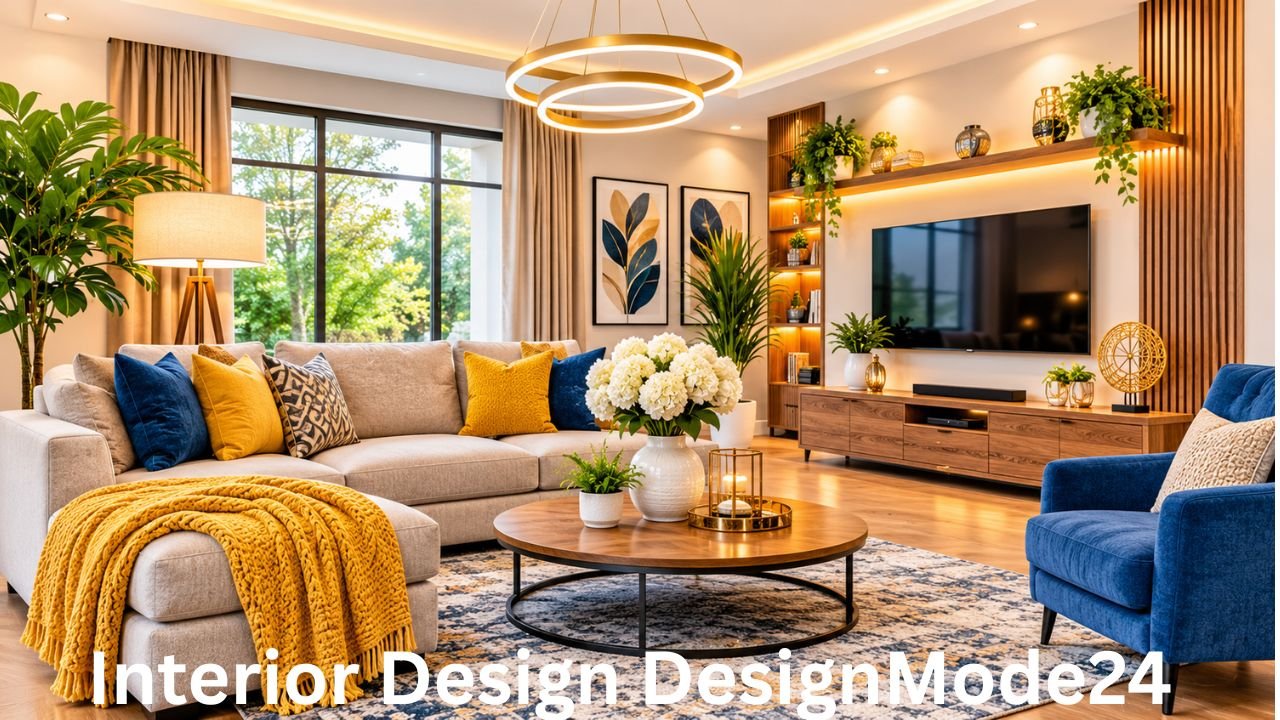
For example, a well-designed living room should offer enough seating, comfortable lighting, convenient movement, and a visually appealing arrangement. Similarly, a bedroom should encourage relaxation through appropriate colors, comfortable furniture, and an organized layout.
DesignMode24-related interior design inspiration can help readers explore these ideas and consider how different decorating approaches might work in their own homes.
The best design is not necessarily the most expensive one. It is the one that balances appearance, comfort, functionality, and personal preferences.
Why Interior Design Matters in Modern Homes
Interior design plays an important role in how people experience their homes. A poorly arranged room can feel uncomfortable, crowded, or difficult to use, even when it contains beautiful furniture.
A thoughtful design improves the overall experience by making better use of available space.
Here are several reasons why interior design deserves attention.
1. Creates a Comfortable Environment
Your home should be a place where you can relax after a busy day. Comfortable furniture, balanced colors, suitable lighting, and organized surroundings can make rooms feel more welcoming.
Soft fabrics, warm lighting, and carefully selected decorations can create a peaceful atmosphere without requiring major renovations.
2. Improves Space Utilization
Good interior design helps homeowners use available space more effectively.
This is particularly important in apartments and smaller houses where every square foot matters. Multifunctional furniture, wall-mounted shelves, and smart storage arrangements can help reduce clutter.
3. Reflects Your Personality
Your home should represent your personal taste rather than look like an exact copy of a showroom.
Some people prefer minimal interiors, while others enjoy colorful decorations, traditional furniture, or luxurious finishes.
Choosing elements that reflect your preferences makes your living environment feel more personal.
4. Adds Visual Appeal
A coordinated combination of colors, textures, furniture, and lighting creates a more polished appearance.
Even simple changes, such as replacing outdated curtains or introducing a decorative rug, can refresh a familiar room.
Popular Interior Design Styles to Explore
Before purchasing furniture or choosing paint colors, it helps to understand different interior design styles.
Each style has its own characteristics, and you can combine selected elements to create something that suits your home.
Modern Interior Design
Modern interior design emphasizes clean lines, practical furniture, open layouts, and balanced color combinations.
Common features include:
- Simple furniture with clean shapes.
- Neutral colors such as white, gray, and beige.
- Minimal decorative accessories.
- Functional storage solutions.
- Large windows and natural lighting.
This style works particularly well for people who appreciate uncluttered and organized surroundings.
Minimalist Interior Design
Minimalism follows the principle that less can be more.
Instead of filling rooms with unnecessary decorations, this approach focuses on essential furniture and carefully selected accessories.
A minimalist bedroom, for example, might include a comfortable bed, two bedside tables, subtle lighting, and a few decorative pieces.
The result is a space that feels open, calm, and easy to maintain.
Contemporary Interior Design
Contemporary interiors reflect current design preferences and evolving decorating ideas.
They often combine modern furniture, natural materials, interesting textures, and comfortable layouts.
Unlike a strictly defined historical style, contemporary design can change over time.
You might see curved furniture, textured walls, warm neutral colors, and creative lighting arrangements in contemporary homes.
Traditional Interior Design
Traditional design takes inspiration from classic furniture, decorative details, rich materials, and established decorating techniques.
Common elements include wooden furniture, elegant curtains, patterned fabrics, decorative lighting, and symmetrical arrangements.
This style is suitable for people who appreciate timeless interiors and a more formal atmosphere.
Scandinavian Interior Design
Scandinavian design is known for simplicity, natural materials, and comfortable living spaces.
It frequently features:
- Light-colored walls.
- Natural wooden furniture.
- Soft textiles.
- Functional decorations.
- Plenty of natural light.
- Neutral and earthy color palettes.
It is particularly appealing for small homes because its simple approach can make rooms feel brighter and more spacious.
How to Choose the Right Colors for Your Home
Color selection is one of the most important parts of interior design. The right combination can make a room feel peaceful, energetic, spacious, or sophisticated.
However, choosing colors randomly can make an interior look disconnected.
Start by deciding how you want each room to feel.
For example, bedrooms generally benefit from relaxing shades, while living rooms can accommodate a wider range of colors depending on their purpose and available lighting.
Here are some popular color choices:
- White: Creates a clean and bright appearance.
- Beige: Adds warmth and works well with natural materials.
- Light gray: Provides a subtle and contemporary foundation.
- Sage green: Introduces a soft connection with nature.
- Navy blue: Creates depth and a sophisticated appearance.
- Terracotta: Adds warmth and character to decorative spaces.
A useful approach is to select one dominant color, one supporting color, and a smaller accent color.
For example, a living room could feature warm beige walls, brown wooden furniture, and green decorative cushions.
Before committing to a paint color, test a small sample on the wall. Observe how it looks during the morning, afternoon, and evening because lighting can change its appearance.
Furniture Selection and Smart Room Arrangements
Furniture influences both the appearance and functionality of an interior.
Buying attractive furniture without considering room dimensions can create unnecessary problems. A large sofa may overwhelm a compact living room, while a very small dining table may look out of place in a spacious area.
Measure your available space before making major purchases.
Consider the following tips:
- Choose furniture that fits the room’s dimensions.
- Keep clear walking paths between important areas.
- Avoid placing too many large pieces in one room.
- Select furniture that provides useful storage.
- Consider how doors, windows, and electrical outlets affect placement.
- Maintain enough space around furniture for comfortable movement.
For smaller homes, multifunctional furniture can be particularly helpful.
Examples include storage beds, extendable dining tables, nesting tables, folding desks, and ottomans with hidden compartments.
These options provide practical benefits without requiring additional floor space.
Interior Lighting: An Essential Part of Home Design
Lighting can completely change how a room looks and feels.
Even an attractive interior may appear dull if it relies on a single overhead light. A better approach is to combine different types of lighting according to the activities performed in each space.
Ambient Lighting
Ambient lighting provides general illumination throughout a room.
Ceiling lights, recessed fixtures, and suitable pendant lights are common examples.
Task Lighting
Task lighting helps people perform specific activities.
Examples include:
- Desk lamps for studying or working.
- Under-cabinet lights for kitchen preparation.
- Reading lamps beside beds or sofas.
- Mirror lighting in bathrooms.
Accent Lighting
Accent lighting highlights particular features, such as artwork, architectural details, decorative shelves, or indoor plants.
Combining these lighting types creates depth and allows you to adjust the atmosphere according to different situations.
Whenever possible, make use of natural daylight. Keep windows unobstructed and choose curtains that provide privacy without unnecessarily blocking sunlight.
Room-by-Room Interior Design Ideas
Every room has different requirements. A successful interior design plan should consider how each space will be used.
| Room | Useful Design Ideas | Main Priority |
|---|---|---|
| Living Room | Comfortable seating, layered lighting, rugs, and artwork | Comfort and social interaction |
| Bedroom | Soft colors, suitable bedding, bedside lighting | Relaxation |
| Kitchen | Organized cabinets, practical surfaces, task lighting | Functionality |
| Bathroom | Space-saving storage, mirrors, moisture-resistant materials | Convenience |
| Home Office | Ergonomic furniture, desk lighting, organized storage | Productivity |
| Dining Room | Comfortable chairs, suitable table size, pendant lighting | Practical dining |
Living Room Design
The living room is often one of the most frequently used areas in a home.
Begin by identifying a focal point. It could be a television, fireplace, large window, or attractive piece of artwork.
Arrange seating around this feature while maintaining enough space for movement.
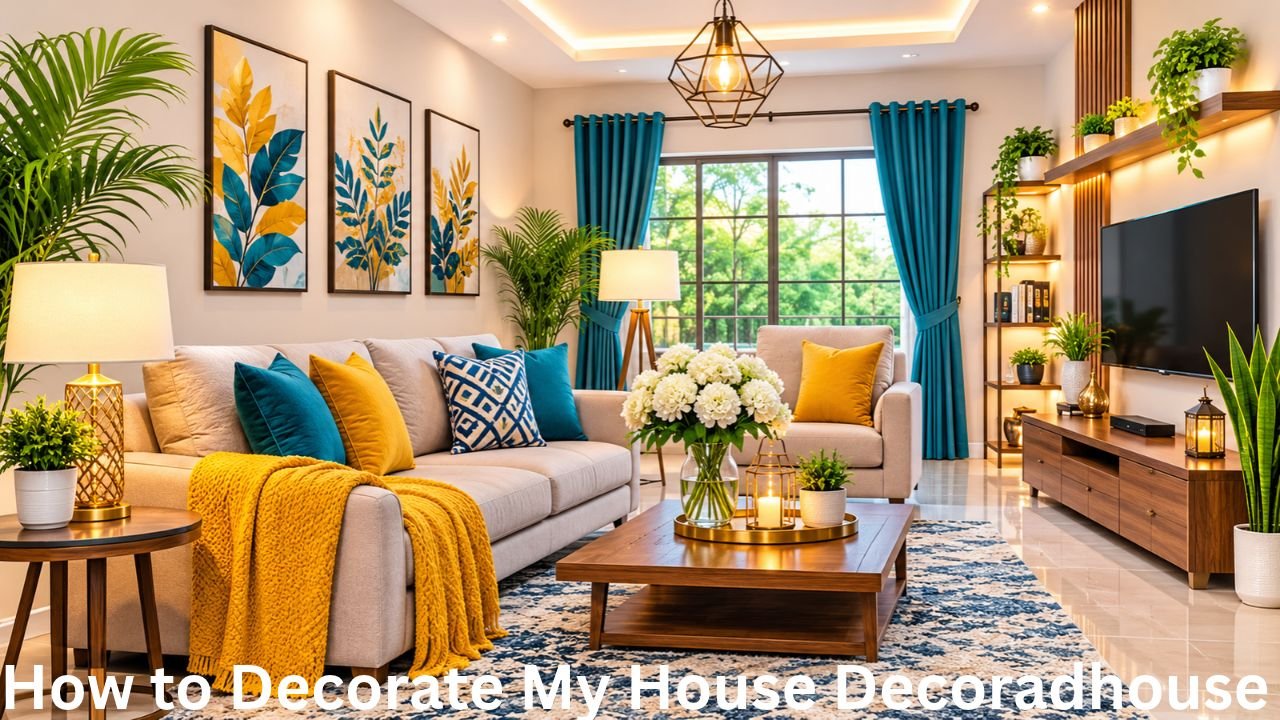
A suitable area rug can help define the seating arrangement, while cushions, curtains, and decorative accessories introduce color and texture.
Avoid filling every available corner with furniture. Leaving some open space makes the room feel more comfortable.
Bedroom Design
A bedroom should feel relaxing and organized.
Choose a comfortable bed that suits the room’s dimensions. Use coordinated bedding and consider soft, calming wall colors.
Bedside lamps provide convenient lighting, while wardrobes and under-bed storage help keep personal belongings organized.
Avoid excessive decorations that make the room feel crowded.
Kitchen Design
A functional kitchen depends on an efficient layout, sufficient storage, and suitable lighting.
Keep frequently used cooking equipment within easy reach. Organize cabinets according to their purpose and use drawer organizers to reduce clutter.
Choose durable countertops and easy-to-clean surfaces according to your household’s needs.
Good lighting is especially important around cooking and food preparation areas.
Bathroom Design
Bathrooms benefit from simple, practical design choices.
Large mirrors can improve the sense of space, while wall-mounted storage can help keep countertops organized.
Choose appropriate materials designed for moisture exposure and provide adequate ventilation to help manage humidity.

Budget-Friendly Ways to Improve Your Interior
Creating an attractive home does not always require a complete renovation.
Many improvements can be completed gradually with a reasonable budget.
Consider these affordable ideas:
- Rearrange existing furniture: Experiment with different layouts before purchasing anything new.
- Refresh your walls: A new coat of paint can make an older room feel cleaner and brighter.
- Replace decorative accessories: New cushions, curtains, or rugs can introduce a different look.
- Add indoor plants: Suitable plants can bring natural color and texture into your home.
- Improve lighting: Replace outdated fixtures or introduce practical table and floor lamps.
- Organize visible clutter: Use baskets, shelves, and storage containers to create a cleaner appearance.
- Update cabinet handles: Small hardware changes can refresh kitchen cabinets and storage units.
It is also helpful to create a budget before starting a project.
Separate essential improvements from optional decorations so that important work receives priority.
Common Interior Design Mistakes to Avoid
Even small decorating mistakes can affect the appearance and functionality of a room.
Being aware of them can help you make better decisions.
Choosing furniture without measuring: Always check room dimensions and furniture measurements before purchasing large items.
Using too many colors: A room with several competing colors can feel visually confusing. Choose a coordinated palette instead.
Ignoring lighting: A beautiful room can still feel uncomfortable if it does not have suitable illumination.
Overdecorating: Too many decorative accessories can make a space look crowded and difficult to maintain.
Following every trend: Trends can provide inspiration, but your furniture and major design choices should suit your lifestyle.
Ignoring storage: Insufficient storage often leads to clutter, even in an otherwise attractive home.
A balanced approach helps create interiors that remain practical and appealing over time.
How to Create a Personalized Interior Design Plan
Before beginning a home improvement project, spend some time planning.
A simple process can prevent unnecessary expenses and disappointing results.
Follow these steps:
- Identify your requirements: Decide what needs improvement and how you use the space.
- Set a realistic budget: Determine how much you can comfortably spend.
- Measure the room: Record wall dimensions, window positions, and important architectural features.
- Choose a design direction: Explore different styles and select one that matches your preferences.
- Create a color palette: Select complementary shades for walls, furniture, and accessories.
- Plan furniture placement: Make sure the arrangement supports comfortable movement.
- Select lighting: Include ambient, task, and accent lighting where appropriate.
- Add finishing touches: Introduce artwork, plants, textiles, and meaningful decorative items.
You can collect inspiration images and create a simple mood board before purchasing materials.
This makes it easier to compare ideas and maintain a consistent appearance throughout the project.
FAQs About Interior Design DesignMode24
1. What is interior design designmode24?
Interior design designmode24 is a search phrase associated with interior design inspiration, home decorating ideas, and practical approaches to creating attractive living spaces. It can help readers explore furniture arrangements, color combinations, lighting, and room-specific design concepts.
2. Is DesignMode24 useful for home decorating inspiration?
DesignMode24-related content can be a starting point for exploring decorating ideas and understanding different interior styles. Readers can use these ideas to plan room improvements and adapt suitable concepts to their own homes.
3. How can I make my home look modern without spending too much?
Start with affordable improvements such as rearranging furniture, refreshing wall colors, improving lighting, organizing clutter, and updating decorative accessories. You do not need to replace everything to achieve a more modern appearance.
4. Which interior design style is best for a small home?
Minimalist and Scandinavian-inspired designs are popular options for smaller homes. Their emphasis on simple furniture, light colors, natural materials, and practical storage can help make limited spaces feel more open.
5. What are the most important elements of interior design?
The main elements include space, colors, lighting, furniture, textures, materials, and decorative details. These elements should work together to create a comfortable and visually balanced environment.
6. How can I create a consistent design throughout my home?
Choose a common color palette, maintain a consistent approach to materials, and select furniture and accessories that complement one another. You can still give each room its own personality while maintaining an overall connection between spaces.
Final Thoughts
Creating a beautiful home begins with understanding your needs and making thoughtful design decisions. From choosing suitable colors and furniture to improving lighting and organizing storage, every element contributes to the overall experience of a living space.
Interior design designmode24 offers an interesting starting point for exploring home styling concepts, practical decorating ideas, and ways to improve everyday surroundings.
You do not need expensive furniture or a complete renovation to make your home feel different. Small, carefully planned improvements can create meaningful changes while keeping your budget under control.
Focus on comfort, functionality, and your personal preferences instead of following every passing trend. With a little creativity and proper planning, you can transform your living space into a welcoming environment that looks beautiful and works well for your everyday life.
Also Read: DesignMode24 Contact: How to Find Support, Get Assistance, and Connect Safely

One thought on “Interior Design DesignMode24: Creative Ideas to Transform Your Home Into a Beautiful Living Space”